Excerpt: This post answers the questions “Which rivers join Chenab in Pakistan? Which other rivers joins Chenab in Pakistan?”
Flowing through the picturesque landscapes of South Asia, there is a river that holds immense significance for the region it traverses. This river, with its mighty flow and historical importance, serves as a lifeline for millions of people who depend on its waters for their livelihood. Along its journey, this river is joined by several other rivers, creating a network of waterways that shape the geography and culture of the region. These tributaries play a crucial role in enhancing the river’s flow, making it a vital resource for agriculture, industry, and daily life.
Which Rivers Join Chenab in Pakistan?
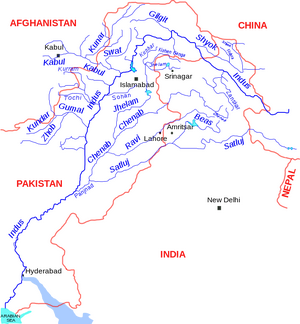
In Pakistan, the Chenab River is joined by two significant rivers: the Jhelum River and the Ravi River. These rivers contribute to the Chenab’s flow, enhancing its importance as a major waterway in the region. The combined waters of these rivers support agriculture, provide drinking water, and sustain the diverse ecosystems along their course.
Jhelum River
The Jhelum River is one of the major tributaries of the Chenab River. It originates from the Indian-administered territory of Jammu and Kashmir, where it flows through the picturesque Kashmir Valley. The river’s journey begins from the foothills of the Pir Panjal Range, and it meanders through the valley, providing essential water resources for the region’s agriculture and daily life.
As the Jhelum River enters Pakistan, it continues its journey through the provinces of Punjab and Sindh. The river eventually merges with the Chenab River near the town of Trimmu in the Punjab province. This confluence is a significant point in the hydrological network of the region, as the combined waters of the Jhelum and Chenab rivers support the agricultural productivity of the fertile plains of Punjab.
Ravi River
The Ravi River is another important tributary that joins the Chenab River in Pakistan. The river originates from the Himalayas in Himachal Pradesh, India, and flows through the Indian state of Punjab. As the Ravi River enters Pakistan, it continues its course through the Punjab province, providing essential water resources for agriculture and daily life.
The confluence of the Ravi and Chenab rivers occurs near the town of Ahmadpur Sial in Pakistan. This merging of rivers further enhances the flow of the Chenab River, making it an even more vital waterway for the region. The combined waters of the Ravi and Chenab rivers support the irrigation of millions of acres of farmland, ensuring a steady supply of water for crops such as wheat, rice, sugarcane, and cotton.
Confluence at Panjnad
After being joined by the Jhelum and Ravi rivers, the Chenab River continues its journey southward through the province of Punjab. The river eventually reaches a significant confluence point at Panjnad, where it merges with the Sutlej River. The Sutlej River, also known as Satadru or Shatadru in ancient times, is the longest river among the five rivers of Punjab and plays a crucial role in supporting the region’s agriculture.
The confluence at Panjnad creates the Panjnad River, which literally means “Five Rivers.” This name reflects the combined flow of the five major rivers of Punjab: the Chenab, Jhelum, Ravi, Beas, and Sutlej. The Panjnad River flows for approximately 71 kilometers (44 miles) before it joins the mighty Indus River near the town of Mithankot. This merging of rivers at Panjnad is a significant point in the hydrological network of Pakistan, as the combined waters continue their journey southward, nourishing the fertile plains of Sindh and eventually emptying into the Arabian Sea.
Importance of River Confluences
The confluences of rivers, such as those involving the Chenab River, play a crucial role in shaping the geography and hydrology of the region. These confluences enhance the flow of the main river, making it a more powerful and vital waterway. The combined waters support agriculture, provide drinking water, and sustain the diverse ecosystems along their course.
The confluence of the Jhelum, Ravi, and Chenab rivers, along with the merging of the Panjnad River with the Indus River, creates a network of waterways that support the agricultural productivity of the region. The fertile plains of Punjab and Sindh are nourished by these rivers, enabling the cultivation of crops and supporting the livelihoods of millions of people.
In addition to their economic importance, river confluences hold cultural and historical significance for the communities living along their banks. These confluences have been the cradle of ancient civilizations and settlements, shaping the way of life for the people in the region. The rivers have served as natural highways for trade, communication, and cultural exchange, fostering the development of vibrant and diverse societies.
Environmental Significance
The confluences of rivers, such as those involving the Chenab River, also contribute to the region’s environmental health. The combined flow of the rivers supports a diverse range of flora and fauna, contributing to the region’s biodiversity. The wetlands, forests, and floodplains along the riverbanks provide habitats for various species of plants and animals, some of which are unique to this region.
The combined waters of the rivers also play a crucial role in maintaining the region’s hydrological balance. The rivers help recharge groundwater aquifers, ensuring a steady supply of water for drinking, agriculture, and other uses. The floodplains act as natural buffers, absorbing excess water during periods of heavy rainfall and preventing flooding in downstream areas.
Challenges and Conservation Efforts
Despite their immense importance, the rivers in Pakistan, including the Chenab, Jhelum, Ravi, and Sutlej, face several challenges that threaten their health and sustainability. Water pollution, over-extraction of water for agriculture and industry, and the impacts of climate change are some of the major issues affecting these rivers. Pollution from industrial and agricultural runoff can contaminate the rivers’ waters, posing a threat to human health and the environment.
Efforts to address these challenges and promote the conservation of these rivers are essential to ensure their continued viability. Various initiatives, including community-based conservation projects, awareness programs, and sustainable water management practices, are being implemented to protect and preserve the rivers. Collaborative efforts between government agencies, non-governmental organizations, and local communities are crucial to addressing the environmental challenges facing the rivers.
The Chenab River, joined by the Jhelum and Ravi rivers in Pakistan, plays a vital role in supporting the region’s agriculture, economy, and daily life. The confluences of these rivers enhance the flow and importance of the Chenab, making it a crucial waterway for the fertile plains of Punjab and Sindh. The combined waters of the rivers at Panjnad continue their journey as the Panjnad River, eventually merging with the mighty Indus River.
Recognizing the importance of these river confluences and taking proactive steps to ensure their conservation and sustainability is essential. By promoting sustainable water management practices, addressing pollution, and supporting conservation efforts, we can safeguard the health and viability of these rivers for future generations. The Chenab River and its tributaries stand as a testament to the enduring connection between nature and human civilization, a connection that we must cherish and protect.
Source: To ensure the accuracy and authenticity of the information provided, the following sources were referenced:
- Chenab River – Wikipedia