Excerpt: This post answers the questions “What is the origin of Chenab River? How Chenab River originates? How Chenab River formed?”
Rivers play a vital role in shaping the geography, culture, and economy of a region. They provide essential resources such as water for drinking, irrigation, and industrial use. One such significant river is the Chenab River, which flows through the northern regions of India and Pakistan, supporting millions of people along its banks. In this blog post, we will explore the origin of the Chenab River and understand its importance.
What is the origin of Chenab River?
The Chenab River is formed by the convergence of two streams, the Chandra and the Bhaga. Both these streams originate from the Himalayan canton of Lahul and Spiti valley in Himachal Pradesh, India. The region is known for its breathtaking landscapes, rugged terrain, and high-altitude peaks, making it a perfect birthplace for these rivers. Let’s delve deeper into the origins of the Chandra and Bhaga streams and their journey to form the Chenab River.
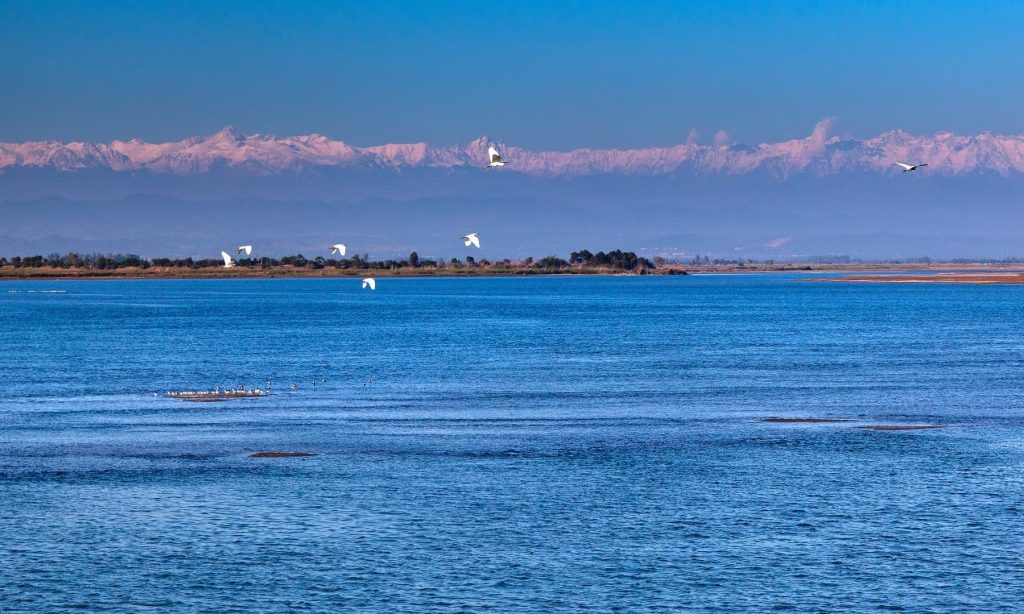
The Chandra River
The Chandra River originates from the glaciers on the southeastern slopes of the majestic Bara Shigri Glacier in the Lahul valley. The river flows through the narrow valleys and rugged terrains of the Himalayas, making its way towards the northwest. The Chandra River is known for its crystal-clear waters, fed by the melting snow and ice from the surrounding peaks. As it flows, the river passes through several picturesque villages and hamlets, providing water for irrigation and supporting local agriculture.
The Bhaga River
The Bhaga River, on the other hand, originates from the northern slopes of the Baralacha La Pass, one of the high-altitude passes in the Himalayas. The river flows towards the southwest, carving its way through the mountainous terrain and creating deep gorges and valleys. Like the Chandra River, the Bhaga River is also fed by the melting snow and ice from the glaciers in the region. The river supports the local communities by providing water for drinking, irrigation, and other essential needs.
The Confluence
The confluence of the Chandra and Bhaga rivers occurs at a place called Tandi, located in the Lahul valley. This confluence marks the beginning of the Chenab River, which then flows through the states of Himachal Pradesh and Jammu & Kashmir in India before entering Pakistan. The Chenab River continues its journey through the plains of Punjab, eventually joining the Indus River.
Significance of the Chenab River
The Chenab River holds great significance for the regions it flows through, both in India and Pakistan. It supports agriculture, industry, and daily life for millions of people along its banks. The river’s waters are used for irrigation, providing essential resources for cultivating crops such as wheat, rice, sugarcane, and cotton. Additionally, the Chenab River is a source of hydroelectric power, with several dams and power projects constructed along its course.
Historical and Cultural Importance
The Chenab River has been an integral part of the region’s history and culture for centuries. It has been mentioned in ancient texts and scriptures, highlighting its significance in the spiritual and cultural narratives of the time. The river is also associated with several folklore and legends, adding to its cultural richness. One such famous legend is the love story of Heer and Ranjha, which has been immortalized in Punjabi literature and is closely linked to the Chenab River.
Environmental Importance
The Chenab River and its tributaries play a crucial role in maintaining the ecological balance of the region. The river provides a habitat for various species of flora and fauna, supporting biodiversity and contributing to the overall health of the ecosystem. The river’s waters also help recharge groundwater levels, ensuring a stable supply of water for the local communities.
In conclusion, the Chenab River, formed by the convergence of the Chandra and Bhaga streams in the Lahul and Spiti valley of Himachal Pradesh, is a vital waterway that supports the lives and livelihoods of millions of people. Its significance extends beyond its role in agriculture and industry, encompassing cultural, historical, and environmental aspects as well. Understanding the origin and importance of the Chenab River helps us appreciate the rich heritage and natural resources of the regions it flows through.
Source: To ensure the accuracy and authenticity of the information provided, the following sources were referenced:
- Chenab River – Wikipedia