
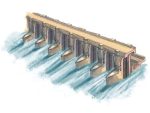
Excerpt: This post answers the questions “Which is the famous barrage of Pakistan? Which barrage is famous in Pakistan? Which is the famous barrage of Pakistan? Where is the famous barrage in Pakistan?”
Spanning across the great river that winds through the heart of Pakistan, a remarkable structure plays a crucial role in the country’s agriculture and water management. This structure is not just an engineering marvel but also a lifeline for millions of people who depend on its waters for their livelihood. It stands as a testament to human ingenuity and the ability to harness nature’s resources for the betterment of society. This structure, known as a barrage, has a rich history and significant impact on the region it serves.
Which is the Famous Barrage of Pakistan?
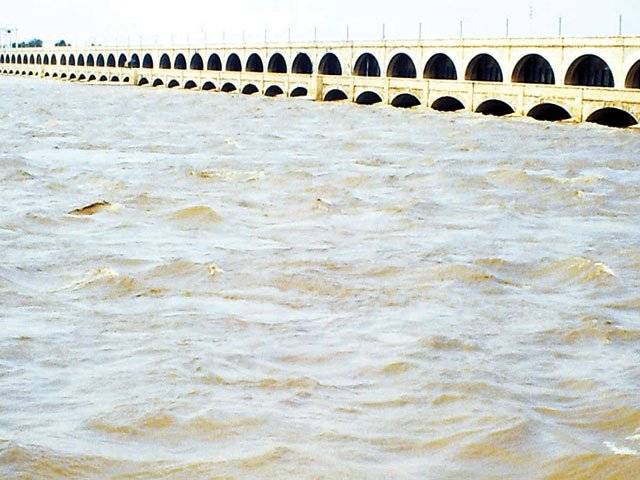
One of the most famous and significant barrages in Pakistan is the Sukkur Barrage. Located on the Indus River near the city of Sukkur in Sindh province, the Sukkur Barrage is an engineering masterpiece that has been serving the nation for nearly a century. Constructed between 1923 and 1932 during the British colonial period, the Sukkur Barrage, originally named Lloyd Barrage, was designed to control and distribute the waters of the Indus River for irrigation purposes.
The Sukkur Barrage is an essential part of Pakistan’s irrigation infrastructure, and its importance cannot be overstated. The barrage spans approximately 1,525 meters (5,003 feet) and is equipped with 66 gates that can be operated to control the flow of water. These gates are used to regulate the distribution of water into a network of canals that branch off from the barrage, providing vital irrigation to the agricultural lands of Sindh and beyond.
Historical Significance
The construction of the Sukkur Barrage was a monumental project that aimed to address the chronic issue of water scarcity and improve agricultural productivity in the region. Before the barrage was built, the Indus River’s flow was highly unpredictable, with seasonal floods and droughts causing significant challenges for farmers. The barrage provided a means to regulate the river’s flow, ensuring a steady and reliable supply of water for irrigation throughout the year.
The successful completion of the Sukkur Barrage marked a turning point in the region’s agricultural history. It transformed vast tracts of barren land into fertile fields, enabling farmers to cultivate a variety of crops such as wheat, rice, cotton, and sugarcane. The increased agricultural output not only improved the livelihoods of farmers but also contributed to the overall economic development of the region.
Engineering Marvel
The Sukkur Barrage is a marvel of engineering, reflecting the advanced technology and expertise of its time. The structure is built using reinforced concrete and features a series of arches and piers that support the gates. The design of the barrage allows it to withstand the immense pressure of the river’s flow while providing precise control over water distribution.
One of the key features of the Sukkur Barrage is its system of canals. The barrage diverts water into seven major canals, including the Nara Canal, Rohri Canal, and Dadu Canal, among others. These canals form an extensive irrigation network that stretches across the province of Sindh, reaching millions of acres of agricultural land. The efficient management of water resources through this network has been instrumental in sustaining the region’s agricultural economy.
Economic Impact
The Sukkur Barrage has had a profound impact on the economy of Pakistan, particularly in the province of Sindh. By providing a reliable source of water for irrigation, the barrage has enabled the cultivation of high-value crops, boosting agricultural productivity and income for farmers. The increased agricultural output has also supported the growth of related industries, such as food processing, textile manufacturing, and agro-based businesses.
The barrage has created numerous employment opportunities for people in the region, both directly and indirectly. The construction, maintenance, and operation of the barrage and its associated canals provide jobs for engineers, laborers, and technicians. Additionally, the increased agricultural activity generates employment for farmworkers, traders, and transporters, contributing to the overall economic well-being of the community.
Environmental Benefits
In addition to its economic benefits, the Sukkur Barrage has also contributed to environmental sustainability. By regulating the flow of the Indus River, the barrage helps prevent the occurrence of devastating floods that can cause widespread damage to crops, infrastructure, and human settlements. The controlled distribution of water also helps maintain the groundwater table, ensuring a sustainable supply of water for future generations.
The barrage and its associated irrigation network support the growth of vegetation and wildlife in the region. The wetlands and water bodies created by the canal system provide habitats for various species of birds, fish, and other aquatic life. These ecosystems contribute to the region’s biodiversity and offer opportunities for eco-tourism and recreational activities.
Challenges and Future Prospects
While the Sukkur Barrage has been instrumental in transforming the region’s agriculture and economy, it also faces several challenges. The aging infrastructure requires regular maintenance and upgrades to ensure its continued functionality. Sedimentation and silt accumulation in the canals can reduce their capacity and efficiency, necessitating periodic dredging and cleaning efforts.
Climate change poses another significant challenge, with changing rainfall patterns and increasing temperatures affecting the availability and distribution of water. It is essential to implement sustainable water management practices and invest in modern irrigation technologies to adapt to these changes and ensure the long-term viability of the barrage.
Despite these challenges, the Sukkur Barrage remains a cornerstone of Pakistan’s water management and agricultural infrastructure. Continued investment in its maintenance and modernization, along with sustainable water management practices, will ensure that the barrage continues to serve the region’s needs for generations to come.
The Sukkur Barrage stands as a testament to the power of human ingenuity and the ability to harness nature’s resources for the greater good. Its construction marked a turning point in the history of the region, transforming barren lands into fertile fields and supporting the livelihoods of millions of people. As we look to the future, it is essential to recognize the barrage’s significance and invest in its continued maintenance and sustainability. By doing so, we can ensure that this remarkable structure continues to provide vital water resources and support the region’s agricultural and economic prosperity for years to come.
Source: To ensure the accuracy and authenticity of the information provided, the following sources were referenced:
- Sukkur Barrage – Wikipedia
- Sukkur Barrage – Britannica

