Excerpt: This post answers the questions “Which is the longest river in Balochistan Province? What is the longest river in Balochistan Pakistan? Where is the longest river in Balochistan?”
In the southwestern region of Pakistan lies a vast and rugged province known for its diverse landscapes, rich cultural heritage, and unique geographical features. Among its many natural wonders, a significant river meanders through the arid and mountainous terrain, providing a lifeline for the communities and ecosystems it touches. This river, the longest in the province, holds great importance for the people and wildlife of the region, shaping the environment and supporting the livelihoods of those who live along its banks.
Which is the Longest River in Balochistan Province?
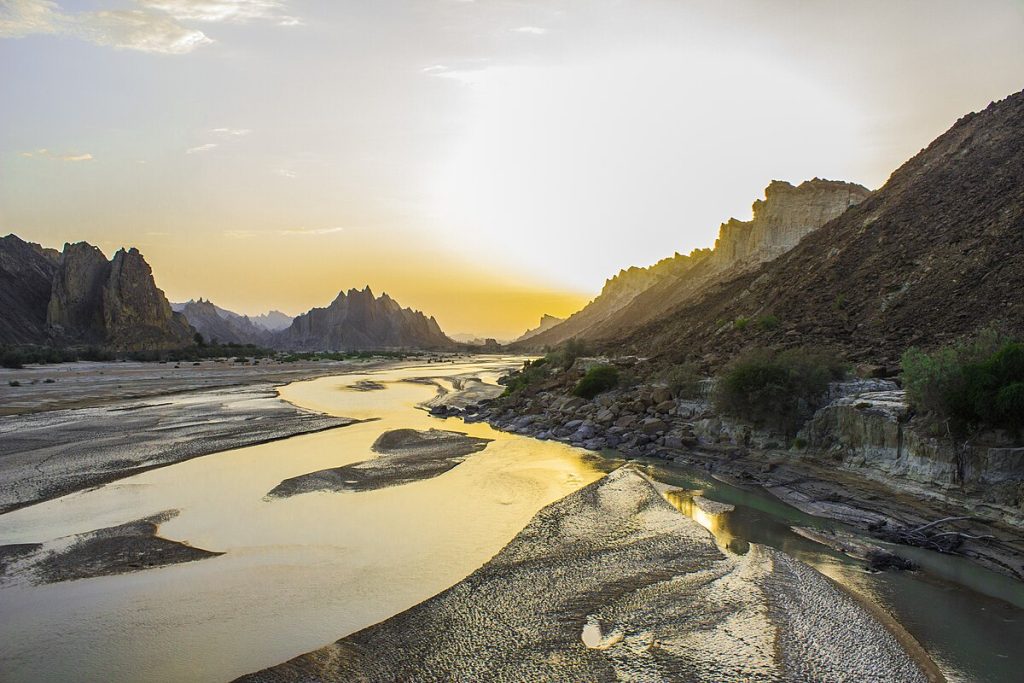
The longest river in Balochistan Province is the Hingol River, located in Makran. Stretching over approximately 560 kilometers (350 miles), the Hingol River flows through the province’s arid landscapes before emptying into the Arabian Sea. The river originates from the hills of the Hingol National Park, which is one of the largest national parks in Pakistan and is renowned for its diverse wildlife and unique geological features.
Hingol River: A Natural Lifeline
The Hingol River is a vital natural resource for Balochistan, providing essential water for agriculture, drinking, and supporting the region’s ecosystems. The river’s journey begins in the mountains of central Balochistan, where it collects water from various tributaries and rainfall. As it flows downstream, the river carves its way through the rugged terrain, creating picturesque landscapes and nourishing the land along its course.
One of the most significant features of the Hingol River is its passage through the Hingol National Park. The park, which spans over 6,100 square kilometers, is home to a rich diversity of flora and fauna. The river’s presence in the park creates a unique habitat for various species, including the endangered Sindh ibex, Balochistan bear, and numerous bird species. The river’s waters sustain the park’s ecosystems, making it a crucial element of the region’s biodiversity.
Agricultural and Economic Importance
The Hingol River plays a crucial role in supporting agriculture in Balochistan. The river’s waters are used for irrigating crops, providing much-needed sustenance for the arid land. The fertile soil along the riverbanks allows farmers to cultivate various crops, including wheat, barley, and fruits such as dates and pomegranates. The river’s water is also essential for livestock farming, which is a significant part of the region’s economy.
In addition to agriculture, the Hingol River supports various economic activities, including fishing and tourism. The river’s diverse aquatic life provides a source of livelihood for local fishermen who rely on the river’s bounty for their sustenance. The scenic landscapes along the river attract tourists and nature enthusiasts, contributing to the region’s tourism industry. The Hingol National Park, with its unique rock formations, mud volcanoes, and diverse wildlife, is a popular destination for eco-tourism, further boosting the local economy.
Cultural and Historical Significance
The Hingol River holds cultural and historical significance for the people of Balochistan. The river has been an integral part of the region’s history, shaping the way of life for the communities that have lived along its banks for centuries. The river’s waters have supported settlements and trade routes, enabling the movement of people and goods across the province.
One of the notable cultural landmarks along the Hingol River is the Hinglaj Mata Temple, a sacred pilgrimage site for Hindus. The temple is located in a remote area of the Hingol National Park and attracts thousands of pilgrims from Pakistan and India every year. The river’s presence near the temple adds to the site’s spiritual significance, making it a vital part of the cultural heritage of the region.
Environmental Challenges
While the Hingol River is a crucial resource for Balochistan, it also faces several environmental challenges. The region’s arid climate and low rainfall make water scarcity a persistent issue, affecting the river’s flow and availability. The over-extraction of water for agriculture and other uses can lead to reduced water levels, impacting the river’s ecosystems and the communities that depend on it.
Pollution is another significant challenge for the Hingol River. Industrial and agricultural runoff, along with improper waste disposal, can contaminate the river’s waters, posing a threat to the health of both humans and wildlife. Efforts to address pollution and promote sustainable water management practices are essential to ensure the long-term health and viability of the river.
Conservation Efforts
Recognizing the importance of the Hingol River, various conservation efforts are underway to protect and preserve this vital natural resource. The establishment of the Hingol National Park is a significant step towards conserving the river’s ecosystems and biodiversity. The park’s protected status helps safeguard the habitats of various species and ensures the sustainable use of the river’s resources.
Community-based initiatives and awareness programs are also playing a crucial role in promoting sustainable water management practices. Educating local communities about the importance of conserving the river and adopting sustainable agricultural practices can help reduce the pressure on the river’s resources. Collaborative efforts between government agencies, non-governmental organizations, and local communities are essential to address the environmental challenges facing the Hingol River.
The Hingol River, the longest river in Balochistan Province, is a lifeline for the region’s people, wildlife, and ecosystems. Its waters support agriculture, provide drinking water, and sustain diverse habitats, making it a crucial natural resource for the province. The river’s cultural, historical, and environmental significance further underscores its importance for the region.
As we appreciate the vital role of the Hingol River, it is essential to recognize the challenges it faces and take proactive steps to ensure its conservation and sustainability. By promoting sustainable water management practices, addressing pollution, and supporting conservation efforts, we can safeguard the health and viability of the Hingol River for future generations. The Hingol River stands as a testament to the enduring connection between nature and human civilization, a connection that we must cherish and protect.
Source: To ensure the accuracy and authenticity of the information provided, the following sources were referenced:
- Hangol River – Wikipedia