

Excerpt: This post answers the questions “What is the old name of Sutlej River? What is the ancient name of Sutlej River? What was Sutlej River called before?”
Nestled in the heart of the Indian subcontinent, a river meanders through the plains and valleys, touching lives and nurturing civilizations along its journey. This river is not just a geographical feature but a lifeline for the countless communities that have settled along its banks. Throughout history, its waters have witnessed the ebb and flow of empires, the fusion of cultures, and the growth of societies. With time, its name has evolved, echoing the changes in languages, traditions, and the historical landscape of the region.
What is the Old Name of Sutlej River?
The river we know today as the Sutlej River was known by the ancient name of Satadru or Shatadru. These names find their roots in the ancient Sanskrit language, one of the oldest languages known to humanity. The name “Satadru” is derived from two Sanskrit words: “sata,” meaning “hundred,” and “dru,” meaning “flow.” This name poetically captures the essence of the river, as it flows like a hundred streams, weaving its way through the land and nourishing it with its waters.
The Satadru is the easternmost tributary of the Indus River, one of the longest rivers in the world. It originates from the Tibetan Plateau, near Lake Rakshastal in Tibet, and flows through the Indian states of Himachal Pradesh and Punjab, and finally into Pakistan. Along its course, the Satadru plays a crucial role in sustaining agriculture, supporting livelihoods, and fostering cultural and economic interactions.
As one of the famous five rivers of Punjab, the Satadru holds a special place in the hearts of the people living in this region. The name Punjab itself is derived from the Persian words “panj,” meaning “five,” and “ab,” meaning “water,” signifying the land of five rivers. Among these five rivers, the Satadru is the longest, stretching over 1,450 kilometers. Its waters have been a source of sustenance and prosperity for the inhabitants of Punjab for centuries.
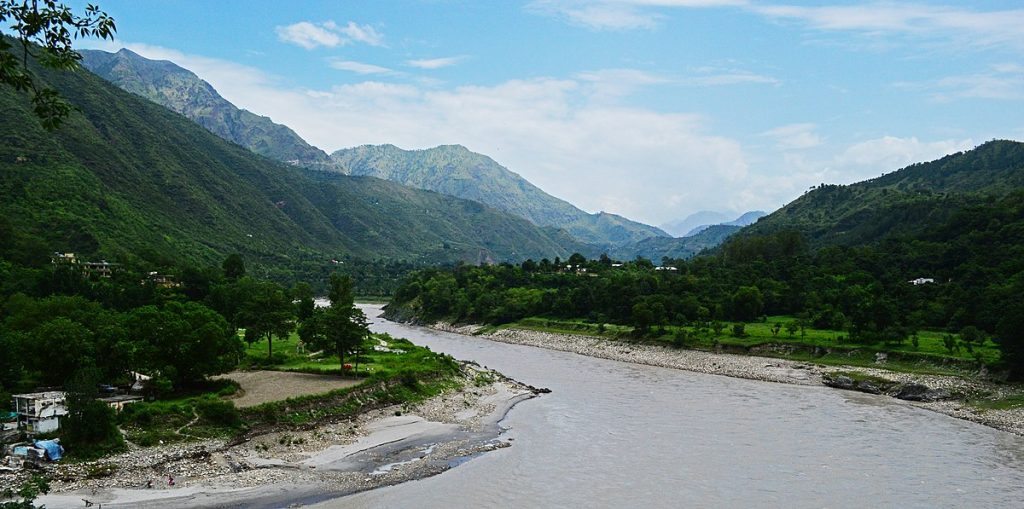
Historical Significance of the Satadru River
The Satadru River has been an integral part of the history and development of the Indian subcontinent. Its fertile banks have supported the growth of agriculture, enabling the cultivation of various crops such as wheat, barley, and rice. The river’s waters have been harnessed for irrigation, ensuring a steady supply of food and resources for the communities living along its course.
The Satadru has also played a vital role in trade and transportation. Its navigable waters allowed for the movement of goods and people, facilitating economic exchanges and cultural interactions between different regions. The river served as a natural highway, connecting the hinterlands with the coastal areas and enabling the growth of trade networks that extended far and wide.
Throughout history, the Satadru River has witnessed the rise and fall of empires and the shaping of civilizations. The river’s strategic importance made it a focal point for various kingdoms and empires that sought to control its waters and harness its resources. The region around the Satadru has been home to numerous ancient cities and towns, each with its own unique cultural and historical heritage.
Cultural and Religious Significance
The Satadru River holds deep cultural and religious significance for the people of the Indian subcontinent. In Hinduism, the river is considered sacred and is associated with various deities and legends. The Satadru is often mentioned in ancient Hindu scriptures, such as the Vedas, where it is revered as a source of purity and life.
Pilgrims from different parts of the Indian subcontinent travel to the banks of the Satadru River to perform religious rituals and ceremonies. Taking a holy dip in the river’s waters is considered an act of purification and is believed to cleanse the individual of sins and impurities. The river is also the site of various festivals and celebrations, where people gather to honor its significance and seek its blessings.
In addition to its religious importance, the Satadru River is also a symbol of cultural identity for the people of Punjab. The river’s waters have shaped the region’s customs, traditions, and way of life. The folk songs, dances, and stories of Punjab often celebrate the river’s beauty and its role in sustaining the land and its people.
Environmental Significance
The Satadru River is not only important for its historical and cultural significance but also for its ecological importance. The river and its surrounding ecosystems support a diverse range of flora and fauna, contributing to the region’s biodiversity. The wetlands, forests, and grasslands along the river’s course provide habitats for various species of plants and animals, some of which are unique to this region.
The river’s waters also play a crucial role in maintaining the region’s hydrological balance. The Satadru’s flow helps recharge groundwater aquifers, ensuring a steady supply of water for drinking, agriculture, and other uses. The river’s floodplains act as natural buffers, absorbing excess water during periods of heavy rainfall and preventing flooding in downstream areas.
The old name of the Sutlej River, Satadru or Shatadru, reflects the river’s timeless significance and its enduring impact on the history, culture, and environment of the Indian subcontinent. The river’s journey from the ancient texts of the Vedas to the present day is a testament to its central role in shaping the region’s identity and heritage.
As we continue to explore and appreciate the rich history of the Satadru River, we are reminded of the profound connections between nature and human civilization. The river’s ancient name continues to evoke a sense of reverence and respect, highlighting its importance as a source of life, a conduit of trade, and a symbol of cultural and spiritual purity.
The Satadru River’s timeless legacy is a reflection of the enduring relationship between the land and its people, a relationship that has been nurtured and sustained by the river’s life-giving waters for millennia. As we honor the river’s past, we must also strive to protect and preserve its future, ensuring that it continues to nourish and inspire generations to come.
Source: To ensure the accuracy and authenticity of the information provided, the following sources were referenced:
- Sutlej River – Wikipedia

