

Excerpt: This post answers the questions “Which river is known as the moon river? Which river in Pakistan is called the moon river? Which river has the nickname moon river?”
In the lush and vibrant landscapes of South Asia, there flows a river that has been an integral part of the region’s history, culture, and daily life. This river is not only vital for the communities living along its banks but also carries with it a name that evokes a sense of poetic beauty and tranquility. Known for its breathtaking vistas and historical significance, this river is a true gem in the heart of the subcontinent. But what makes this river even more enchanting is its association with the moon, a celestial body that has inspired countless legends and stories.
Which River is Known as the Moon River?
The river that is famously known as the Moon River is the Chenab River. The name “Chenab” is derived from a combination of two Persian words: “Chan,” which means “Moon,” and “Aab,” which means “River.” Thus, the Chenab River is aptly referred to as the Moon River. This poetic name reflects the river’s serene and tranquil nature, much like the calming presence of the moon in the night sky.
The Chenab River flows through the northern regions of India and Pakistan, traversing a journey of approximately 960 kilometers (600 miles). It originates from the upper Himalayas in the Indian state of Himachal Pradesh and flows through the Indian-administered territory of Jammu and Kashmir before entering Pakistan. In Pakistan, the river continues its course through the provinces of Punjab and Sindh, eventually merging with the Sutlej River and forming the Panjnad River, which ultimately joins the mighty Indus River.
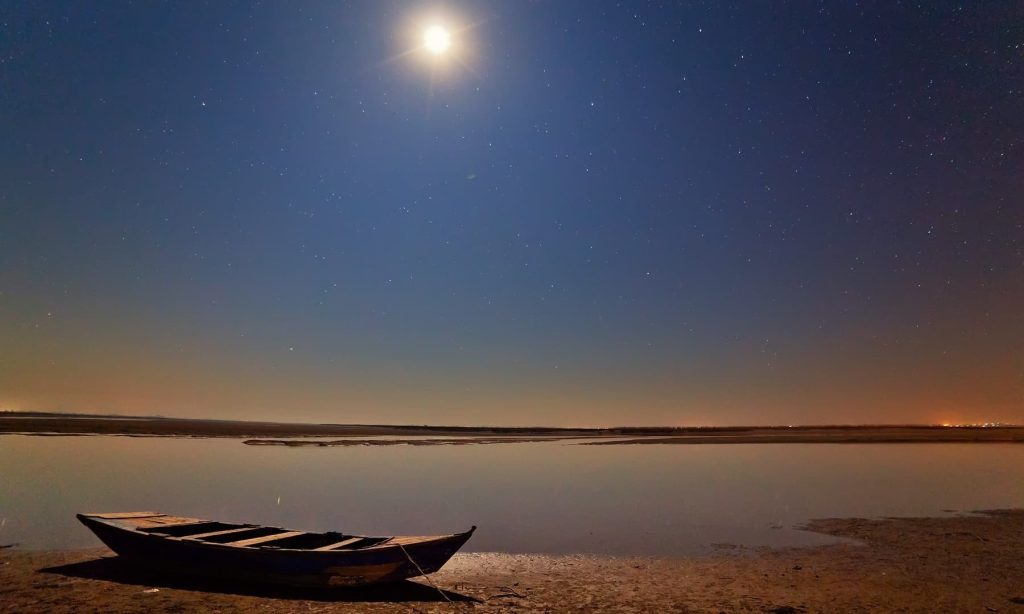
Why is Chenab Called Moon River?
The Chenab River’s association with the moon is deeply rooted in its name and the cultural significance it holds for the people living along its banks. The name “Chenab” itself is a testament to this connection, with “Chan” meaning “Moon” and “Aab” meaning “River.” This poetic name captures the essence of the river’s gentle and soothing flow, much like the calming influence of the moon on the night sky.
The moon has always been a symbol of beauty, tranquility, and inspiration in various cultures around the world. In the context of the Chenab River, the moon symbolizes the river’s serene and nurturing qualities, providing life and sustenance to the communities that depend on its waters. The river’s gentle and meandering flow through the fertile plains of Punjab and Sindh is reminiscent of the moon’s soft and steady light, guiding and nourishing the land.
Historical and Cultural Significance
The Chenab River holds immense historical and cultural significance for the region. Throughout history, the river has been a vital source of water for agriculture, supporting the growth of ancient civilizations and settlements along its banks. The fertile plains nourished by the Chenab’s waters have been the cradle of various cultures and traditions, contributing to the rich tapestry of the subcontinent’s history.
One of the most famous literary works associated with the Chenab River is the Punjabi folklore of “Heer Ranjha,” a tragic love story penned by the renowned poet Waris Shah. The story is set against the backdrop of the Chenab River, and its waters play a symbolic role in the tale of love, separation, and longing. The river’s presence in this timeless legend highlights its cultural significance and its association with themes of beauty, love, and yearning.
In addition to its literary significance, the Chenab River is also an important site for various religious and cultural rituals. The river’s waters are considered sacred in Hinduism and Sikhism, and pilgrims often travel to its banks to perform rituals and seek spiritual purification. The river’s cultural and spiritual importance is further reflected in the numerous festivals and celebrations held along its course, where people come together to honor and pay homage to the river.
Economic Importance
The Chenab River plays a crucial role in supporting the economy of the region through which it flows. The river’s waters are essential for agriculture, providing irrigation for millions of acres of farmland in both India and Pakistan. The fertile plains nourished by the Chenab’s waters are known for their high agricultural productivity, supporting the cultivation of crops such as wheat, rice, sugarcane, and cotton.
In addition to agriculture, the Chenab River supports various other economic activities, including fishing and hydropower generation. The river’s diverse aquatic life provides a source of livelihood for local fishermen, while its waters are harnessed for generating electricity through hydropower projects. These economic activities contribute significantly to the livelihoods of the communities living along the river’s banks and support the overall economic development of the region.
Environmental Importance
The Chenab River is not only important for its economic and cultural significance but also for its environmental importance. The river and its surrounding ecosystems support a diverse range of flora and fauna, contributing to the region’s biodiversity. The wetlands, forests, and floodplains along the river’s course provide habitats for various species of plants and animals, some of which are unique to this region.
The river’s waters also play a crucial role in maintaining the region’s hydrological balance. The Chenab River helps recharge groundwater aquifers, ensuring a steady supply of water for drinking, agriculture, and other uses. The river’s floodplains act as natural buffers, absorbing excess water during periods of heavy rainfall and preventing flooding in downstream areas.
Challenges and Conservation Efforts
Despite its immense importance, the Chenab River faces several challenges that threaten its health and sustainability. Water pollution, over-extraction of water for agriculture and industry, and the impacts of climate change are some of the major issues affecting the river. Pollution from industrial and agricultural runoff can contaminate the river’s waters, posing a threat to human health and the environment.
Efforts to address these challenges and promote the conservation of the Chenab River are essential to ensure its continued viability. Various initiatives, including community-based conservation projects, awareness programs, and sustainable water management practices, are being implemented to protect and preserve the river. Collaborative efforts between government agencies, non-governmental organizations, and local communities are crucial to addressing the environmental challenges facing the Chenab River.
The Chenab River, known as the Moon River, is a vital natural resource that sustains the lives, culture, and economy of the region through which it flows. Its poetic name, derived from the combination of “Chan” (Moon) and “Aab” (River), captures the essence of its gentle and nurturing nature. From its historical significance as the cradle of ancient civilizations to its modern role in supporting agriculture, industry, and daily life, the Chenab River has shaped the destiny of the region and its people.
As we recognize the importance of the Chenab River, it is essential to take proactive steps to ensure its conservation and sustainability. By promoting sustainable water management practices, addressing pollution, and supporting conservation efforts, we can safeguard the health and viability of the Chenab River for future generations. The Chenab River stands as a testament to the enduring connection between nature and human civilization, a connection that we must cherish and protect.
Source: To ensure the accuracy and authenticity of the information provided, the following sources were referenced:
- Chenab River – Wikipedia

