Excerpt: This post answers the questions “Where do the five rivers meet in Pakistan? Where does the 5 rivers meet in Pakistan? Where in Pakistan the five rivers meet? Where do all five rivers meet in Pakistan? What is the confluence of the five rivers? What is the name of the place where the 5 river meet in Pakistan?”
In the northern region of the Indian subcontinent lies a land crisscrossed by mighty rivers that have shaped its history, culture, and geography for millennia. These rivers have witnessed the rise and fall of empires, nourished civilizations, and sustained the livelihoods of millions of people. As they traverse the fertile plains, these rivers come together at a significant junction, creating a unique and remarkable confluence. This confluence is not just a geographical feature but a symbol of unity and diversity, where multiple waters merge into one powerful flow.
Where Do the Five Rivers Meet in Pakistan?
At Panjnad in Pakistan, all five rivers meet. The Panjnad is a pivotal point where the convergence of these rivers occurs. Just below the town of Uch in Punjab, Pakistan, the five rivers—Ravi, Beas, Sutlej, Jhelum, and Chenab—come together to form the Panjnad River. The Panjnad, which literally means “Five Rivers,” flows 44 miles (71 kilometers) southwest to its junction with the Indus River near Mithankot. This remarkable confluence of rivers has played a crucial role in shaping the landscape and culture of the region.
The Five Rivers of Punjab
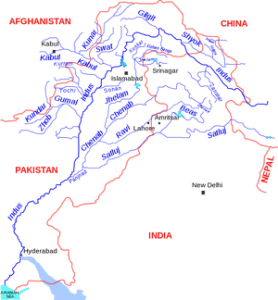
The five rivers that converge at Panjnad are among the most significant waterways in the region:
- Ravi River: Originating from the Himalayas in Himachal Pradesh, India, the Ravi River flows through the Indian state of Punjab and enters Pakistan, where it continues its journey until it merges with the other rivers at Panjnad.
- Beas River: The Beas River also has its origins in the Himalayas, flowing through the Indian state of Himachal Pradesh and entering Punjab. It merges with the Sutlej River in India before becoming part of the Panjnad confluence.
- Sutlej River: The Sutlej River, also known as Satadru or Shatadru in ancient times, is the longest river among the five rivers of Punjab. It originates from Lake Rakshastal in Tibet and flows through India and Pakistan, eventually joining the other rivers at Panjnad.
- Jhelum River: The Jhelum River has its source in the Indian-administered territory of Jammu and Kashmir. It flows through the Kashmir Valley, entering Pakistan, where it continues its course through the provinces of Punjab and Sindh before joining the Panjnad.
- Chenab River: Originating from the Himalayas in the Indian state of Himachal Pradesh, the Chenab River flows through the Jammu region and enters Pakistan. It winds its way through the provinces of Punjab and Sindh before merging with the other rivers at Panjnad.
Panjnad: The Confluence of Five Rivers
The Panjnad River is a remarkable confluence where the waters of the Ravi, Beas, Sutlej, Jhelum, and Chenab rivers come together. This confluence is not only a geographical landmark but also a vital water resource for the region. The combined flow of these rivers creates a powerful and life-sustaining river that supports agriculture, provides drinking water, and fosters economic activities.
The Panjnad River flows for approximately 44 miles (71 kilometers) from the confluence point near Uch until it merges with the Indus River near Mithankot. This junction with the Indus River is a significant point in the hydrological network of the region, as the combined waters continue their journey southward, nourishing the fertile plains of Sindh and eventually emptying into the Arabian Sea.
Historical and Cultural Significance
The confluence at Panjnad has been of immense historical and cultural significance. The fertile plains formed by these rivers have supported the growth of ancient civilizations, including the Indus Valley Civilization, which thrived along the banks of these rivers thousands of years ago. The rivers have served as natural highways for trade, communication, and cultural exchange, fostering the development of vibrant and diverse societies.
The Panjnad confluence is also a symbol of unity and diversity. The merging of five distinct rivers into one powerful flow represents the coming together of different cultures, languages, and traditions. The people living along these rivers have developed a shared cultural identity, shaped by the waters that sustain their livelihoods and connect their communities.
Environmental Importance
The confluence of the five rivers at Panjnad is of great environmental importance. The river system supports a rich and diverse ecosystem, providing habitats for various species of plants and animals. The wetlands, forests, and floodplains along the riverbanks contribute to the region’s biodiversity, supporting both aquatic and terrestrial life.
The combined flow of the rivers at Panjnad also plays a crucial role in maintaining the region’s hydrological balance. The rivers recharge groundwater aquifers, ensuring a steady supply of water for drinking, agriculture, and other uses. The floodplains act as natural buffers, absorbing excess water during periods of heavy rainfall and preventing flooding in downstream areas.
The confluence of the five rivers at Panjnad is a testament to the region’s rich history, cultural diversity, and environmental significance. This remarkable junction, where the waters of the Ravi, Beas, Sutlej, Jhelum, and Chenab rivers come together, is a symbol of unity and continuity. The Panjnad River, formed by this confluence, continues to play a vital role in sustaining the livelihoods of the people living along its banks and contributing to the prosperity of the region.
As we appreciate the significance of the Panjnad confluence, we are reminded of the enduring connection between nature and human civilization. The rivers that come together at Panjnad have shaped the region’s identity and heritage, and their combined waters continue to nourish and inspire generations to come.
Source: To ensure the accuracy and authenticity of the information provided, the following sources were referenced:
- Panjnad – Wikipedia
- Panjnad River | Pakistan, Map, Length, & Facts – Britannica