Excerpt: This post answers the questions “Where is the world second largest juniper forest in Pakistan? Where in Pakistan is the world second largest juniper forest located?“
Forests are vital to our planet, providing numerous benefits such as clean air, water regulation, and habitats for wildlife. They also play a crucial role in combating climate change by absorbing carbon dioxide and releasing oxygen. Among the various types of forests, juniper forests are particularly significant due to their unique characteristics and ecological importance. In this blog post, we will explore the location of the world’s second-largest juniper forest and delve into the details of juniper forests in a specific country.
Where is the World Second Largest Juniper Forest in Pakistan?
Which juniper forest of Pakistan is believed to be the second largest in the world?
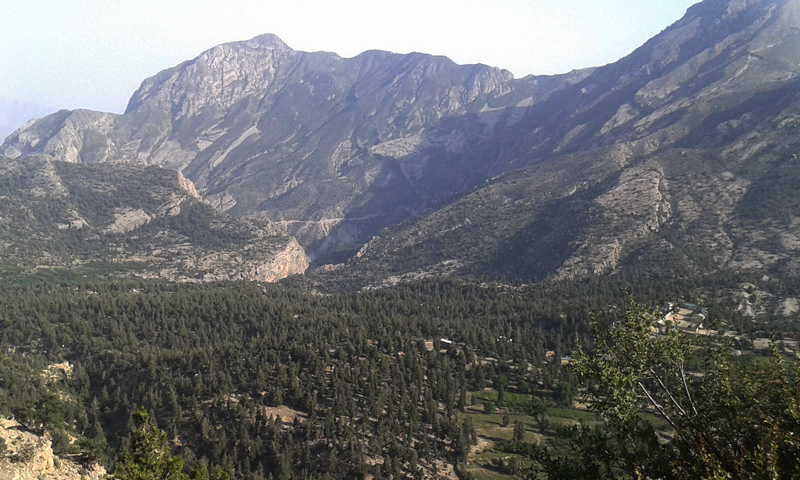
The world’s second-largest juniper forest is located in Ziarat, Balochistan, Pakistan. The Ziarat Juniper Forest covers an area of approximately 110,000 hectares and is renowned for its ancient juniper trees, some of which are estimated to be over 5,000 years old. This forest is not only a natural wonder but also a vital ecological and cultural heritage site.
Juniper Forests in Pakistan: An Overview
Ecological Importance
Juniper forests play a crucial role in maintaining the ecological balance of the regions they inhabit. The Ziarat Juniper Forest, in particular, is home to a diverse range of plant and animal species. The forest provides habitat for various wildlife, including the Sulaiman markhor, urial, Asian black bear, and several bird species. The dense vegetation helps prevent soil erosion, regulate the water cycle, and maintain the overall health of the ecosystem.
The juniper trees in Ziarat are known for their slow growth and longevity. These trees act as natural carbon sinks, absorbing carbon dioxide and releasing oxygen, which helps mitigate the impacts of climate change. The forest also plays a vital role in conserving water resources by preventing evaporation and maintaining groundwater levels.
Cultural and Historical Significance
The Ziarat Juniper Forest holds immense cultural and historical significance for the local communities. The forest has been a part of their lives for generations, providing not only resources but also a deep connection to nature. The juniper trees are often considered sacred, and the forest itself is intertwined with local traditions and folklore. This connection to the past is a reminder of the importance of preserving natural heritage for future generations.
Economic and Social Benefits
The juniper forests in Pakistan provide numerous economic and social benefits to local communities. The forests support livelihoods through the collection of non-timber forest products such as medicinal plants, fruits, and nuts. The timber from juniper trees is highly valued for its durability and is used in construction, furniture-making, and handicrafts.
Additionally, the Ziarat Juniper Forest has significant potential for eco-tourism. Visitors from around the world come to experience the beauty and tranquility of this ancient forest. Eco-tourism initiatives focus on promoting responsible travel, ensuring that tourism activities do not harm the environment. Educational programs and guided tours are also conducted to raise awareness about the importance of conservation and the unique features of the forest.
Conservation Efforts
Despite their importance, juniper forests in Pakistan face several challenges. Deforestation, illegal logging, and land conversion for agriculture and infrastructure development are significant threats. These activities lead to the loss of forest cover, degradation of ecosystems, and disruption of wildlife habitats.
To address these challenges, various conservation efforts are being implemented in Pakistan. The government, non-governmental organizations, and local communities are working to protect and restore juniper forests. Initiatives such as afforestation projects, sustainable forest management practices, and community-based conservation programs are being promoted.
One notable effort is the designation of the Ziarat Juniper Forest as a biosphere reserve by UNESCO in 2013. This designation recognizes the forest’s ecological significance and promotes sustainable development and conservation practices. The biosphere reserve status helps attract funding and support for conservation projects, ensuring the long-term protection of the forest.
In conclusion, the world’s second-largest juniper forest is located in Ziarat, Balochistan, Pakistan. This ancient forest covers an area of approximately 110,000 hectares and is home to some of the oldest juniper trees in the world. The Ziarat Juniper Forest plays a crucial role in maintaining the ecological balance, supporting local livelihoods, and preserving cultural heritage. However, the forest faces significant challenges that require urgent attention and concerted conservation efforts. By raising awareness and supporting sustainable practices, we can ensure the protection and restoration of juniper forests in Pakistan for future generations.
Source: To ensure the accuracy and authenticity of the information provided, the following sources were referenced:
- Pakistan’s Ziarat: An ancient juniper forest – BBC
- Ziarat Juniper Forest – UNESCO Heritage
- The Ziarat Juniper Forest – SUGi Project
- Ziarat Juniper Forest – Department of Archaeology and Museum Pakistan