

Excerpt: This post answers the questions “How big is the River Indus Delta Mangroves Forest in Pakistan? What is the size of River Indus Delta Mangroves Forest in Pakistan? How large is the River Indus Delta Mangroves Forest in Pakistan?”
Forests are an essential part of our planet, offering countless benefits such as clean air, water regulation, and habitats for wildlife. They are also vital in combating climate change by absorbing carbon dioxide and releasing oxygen. Understanding the size and significance of various forests helps in their conservation and management. In this blog post, we will explore the size of a specific forest and delve into the details of its importance and characteristics.
How Big is the River Indus Delta Mangroves Forest in Pakistan?
Where is the largest mangrove forest in Pakistan?
The River Indus Delta Mangroves Forest in Pakistan is one of the largest mangrove forests in the world. It covers an impressive area of approximately 600,000 hectares. This vast expanse of mangrove forest is located along the coast of the Arabian Sea, at the mouth of the Indus River. The forest plays a crucial role in maintaining the ecological balance of the region and provides numerous benefits to the local communities and wildlife.
River Indus Delta Mangroves Forest in Pakistan: An Overview
Importance of Mangroves
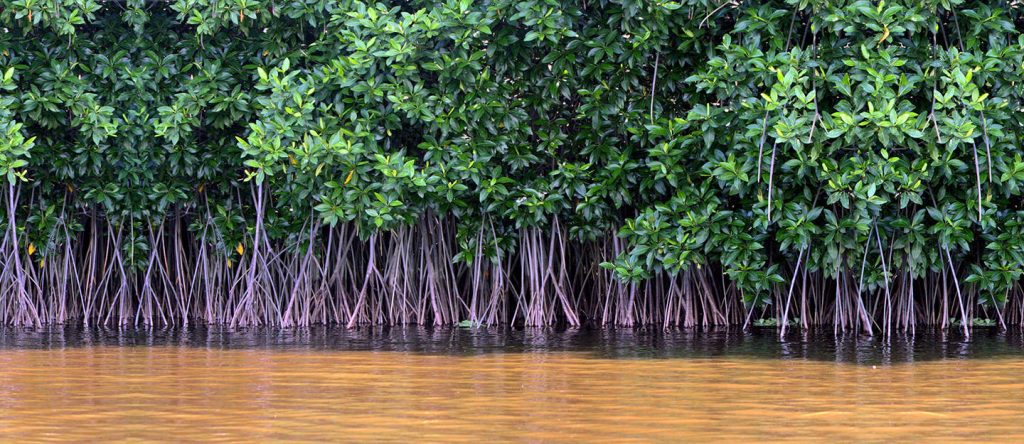
Mangroves are unique coastal forests that grow in saline or brackish water. They are characterized by their complex root systems, which help stabilize the coastline and prevent soil erosion. Mangroves also act as natural barriers against storms and tidal surges, protecting coastal communities from natural disasters.
The River Indus Delta Mangroves Forest is particularly important because it provides habitat for a wide range of marine and terrestrial species. The dense mangrove vegetation supports various fish, shrimp, and crab species, which are vital for the local fishing industry. Additionally, the forest is home to several bird species, including migratory birds that visit the area during the winter months.
Ecological Significance
The mangroves of the River Indus Delta play a crucial role in maintaining the ecological health of the region. They act as natural water filters, trapping sediments and pollutants, and improving water quality. The complex root systems of mangrove trees also provide breeding and nursery grounds for many marine organisms, contributing to the biodiversity of the region.
Moreover, mangroves are effective carbon sinks, absorbing and storing large amounts of carbon dioxide. This helps mitigate the impacts of climate change by reducing the concentration of greenhouse gases in the atmosphere. The dense vegetation also helps in regulating the local climate and maintaining the overall health of the coastal ecosystem.
Economic and Social Benefits
The River Indus Delta Mangroves Forest provides numerous economic and social benefits to the local communities. The forest supports the livelihoods of thousands of people who depend on fishing, shrimp farming, and other marine-related activities. The rich biodiversity of the mangroves ensures a steady supply of fish and other seafood, which is a significant source of income for the local population.
Additionally, the mangroves offer various non-timber forest products such as honey, medicinal plants, and fuelwood. These resources are essential for the daily needs of the local communities and contribute to their overall well-being. The mangrove forest also has potential for eco-tourism, attracting visitors interested in exploring the unique coastal ecosystem and its diverse wildlife.
Challenges and Conservation Efforts
Despite their importance, the mangroves of the River Indus Delta face several challenges. Deforestation, pollution, and climate change are significant threats to the health and survival of the mangrove forest. Coastal development, industrial activities, and unsustainable fishing practices have led to the degradation of mangrove habitats, impacting the overall ecosystem.
To address these challenges, various conservation efforts are being implemented in Pakistan. The government, along with non-governmental organizations and local communities, is working to protect and restore the mangrove forests. Initiatives such as reforestation projects, sustainable fishing practices, and community-based conservation programs are being promoted.
One notable effort is the “Mangrove for the Future” program, which aims to restore degraded mangrove areas and promote sustainable management practices. Such initiatives are crucial in ensuring the long-term health and survival of the River Indus Delta Mangroves Forest.
In conclusion, the River Indus Delta Mangroves Forest in Pakistan is a vital natural resource that covers an area of approximately 600,000 hectares. This extensive mangrove forest plays a crucial role in maintaining the ecological balance, supporting local livelihoods, and protecting coastal communities. However, the forest faces significant challenges that require urgent attention and concerted conservation efforts. By raising awareness and supporting sustainable practices, we can ensure the protection and restoration of this unique and valuable ecosystem for future generations.
Source: To ensure the accuracy and authenticity of the information provided, the following sources were referenced:
- Mangroves – Living Indus
- Indus River Delta–Arabian Sea mangroves – Wikipedia
- Mangrove – SINDH FOREST DEPARTMENT

