

Excerpt: This post answers the questions “Where are mangrove forests found in Pakistan? Where are mangrove forests located in Pakistan?”
Mangrove forests are unique coastal ecosystems that provide numerous benefits to the environment and local communities. These forests are known for their complex root systems, which help stabilize coastlines, prevent soil erosion, and protect against natural disasters. In addition to their ecological importance, mangrove forests support a wide range of marine and terrestrial species, contributing to biodiversity. In this blog post, we will explore the locations of mangrove forests in a specific country and delve into the details of their significance and conservation.
Where are Mangrove Forests Found in Pakistan?
Locations of Mangrove Forests
In Pakistan, mangrove forests are primarily found along the coastline of the Arabian Sea. The major locations of mangrove forests in Pakistan are the Indus Delta, the coastal areas of Sindh, and the Makran Coast in Balochistan. These regions provide the ideal conditions for mangrove growth, including saline or brackish water, mudflats, and estuaries. Mangrove forests only grow at tropical and subtropical latitudes near the equator because they cannot withstand freezing temperatures.
The Indus Delta, located at the mouth of the Indus River, is home to the largest concentration of mangrove forests in Pakistan. This area covers approximately 600,000 hectares and is characterized by dense mangrove vegetation. The coastal areas of Sindh, including Karachi and Thatta, also support significant mangrove forests. Additionally, the Makran Coast in Balochistan, which stretches along the southwestern coast of Pakistan, is another important region for mangrove forests.
Mangrove Forests in Pakistan: An Overview
Ecological Importance
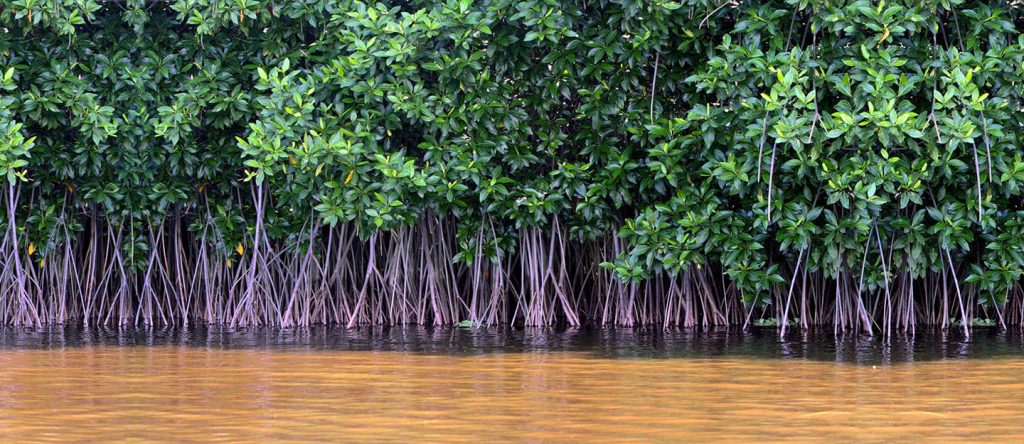
Mangrove forests play a crucial role in maintaining the ecological health of coastal regions. Their complex root systems help stabilize coastlines and prevent soil erosion, which is essential for protecting coastal communities from natural disasters such as storms and tidal surges. The roots also trap sediments and pollutants, improving water quality and providing a suitable environment for marine life.
Moreover, mangroves act as natural water filters, trapping sediments and pollutants and improving water quality. This is especially important in regions where industrial and agricultural runoff can contaminate coastal waters. The dense root systems of mangroves also provide breeding and nursery grounds for various marine organisms, including fish, shrimp, and crabs, which are vital for the local fishing industry.
Biodiversity and Wildlife
Mangrove forests in Pakistan support a diverse range of plant and animal species. The dense vegetation provides habitat for numerous bird species, including migratory birds that visit the region during the winter months. Some of the notable bird species found in mangrove forests include the white-bellied sea eagle, osprey, and various species of herons and egrets.
In addition to birds, mangrove forests are home to various mammals, reptiles, and marine species. The forests provide shelter and food for animals such as jackals, wild boars, and monitor lizards. The rich biodiversity of mangroves also includes various species of fish, shrimp, and crabs, which rely on the forests for breeding and feeding grounds.
Economic and Social Benefits
Mangrove forests provide numerous economic and social benefits to local communities. The forests support the livelihoods of thousands of people who depend on fishing, shrimp farming, and other marine-related activities. The rich biodiversity of the mangroves ensures a steady supply of fish and other seafood, which is a significant source of income for the local population.
Additionally, mangroves offer various non-timber forest products such as honey, medicinal plants, and fuelwood. These resources are essential for the daily needs of the local communities and contribute to their overall well-being. The mangrove forest also has potential for eco-tourism, attracting visitors interested in exploring the unique coastal ecosystem and its diverse wildlife.
Conservation Efforts
Despite their importance, mangrove forests in Pakistan face several challenges. Deforestation, pollution, and climate change are significant threats to the health and survival of these forests. Coastal development, industrial activities, and unsustainable fishing practices have led to the degradation of mangrove habitats, impacting the overall ecosystem.
To address these challenges, various conservation efforts are being implemented in Pakistan. The government, non-governmental organizations, and local communities are working to protect and restore the mangrove forests. Initiatives such as reforestation projects, sustainable fishing practices, and community-based conservation programs are being promoted.
One notable effort is the “Mangrove for the Future” program, which aims to restore degraded mangrove areas and promote sustainable management practices. This initiative focuses on planting new mangroves, protecting existing forests, and raising awareness about the importance of mangrove conservation.
Another significant effort is the involvement of local communities in conservation activities. Community-based programs encourage local residents to participate in planting and protecting mangroves, ensuring that the efforts are sustainable and have a lasting impact. Educational campaigns and workshops are also conducted to raise awareness about the ecological and economic benefits of mangroves.
In conclusion, mangrove forests in Pakistan are primarily found along the coastline of the Arabian Sea, with the largest concentration in the Indus Delta. These unique coastal forests play a crucial role in maintaining the ecological health of the region, supporting biodiversity, and providing economic and social benefits to local communities. However, mangrove forests face significant challenges that require urgent attention and concerted conservation efforts. By raising awareness and supporting sustainable practices, we can ensure the protection and restoration of mangrove forests in Pakistan for future generations.
Source: To ensure the accuracy and authenticity of the information provided, the following sources were referenced:
- Mangroves – Living Indus
- Mangroves – Wikipedia
- MANGROVES – WWF Pakistan

