Excerpt: This post answers the questions “What is the tree ratio in Pakistan? What is the ratio of trees in Pakistan? What is the tree ratio of Pakistan?”
Trees are essential to the health of our planet. They provide numerous benefits, such as clean air, water regulation, and habitats for wildlife. They also play a crucial role in combating climate change by absorbing carbon dioxide and releasing oxygen. Understanding the distribution of trees in different regions is vital for planning conservation efforts. In this blog post, we will explore the concept of tree ratio and examine the tree ratio in a specific country. Additionally, we will discuss the steps taken for reforestation to improve this ratio.
What is the Tree Ratio?
Definition and Importance
The tree ratio refers to the number of trees per person in a given area. It is an important metric for understanding the distribution of trees and their availability to the population. A higher tree ratio indicates a healthier environment with more trees providing ecological benefits. Trees are vital for maintaining the ecological balance, supporting biodiversity, and improving the quality of life for people.
Recommended Tree Ratio
While there is no universally agreed-upon ideal tree ratio, environmental experts recommend a higher number of trees per person to ensure a sustainable and healthy environment. Some suggest that aiming for a tree ratio of at least 100 trees per person would be beneficial in combating climate change, improving air quality, and supporting biodiversity. Achieving this recommended tree ratio requires concerted efforts in tree planting, conservation, and sustainable management practices.
What is the Tree Ratio in Pakistan?
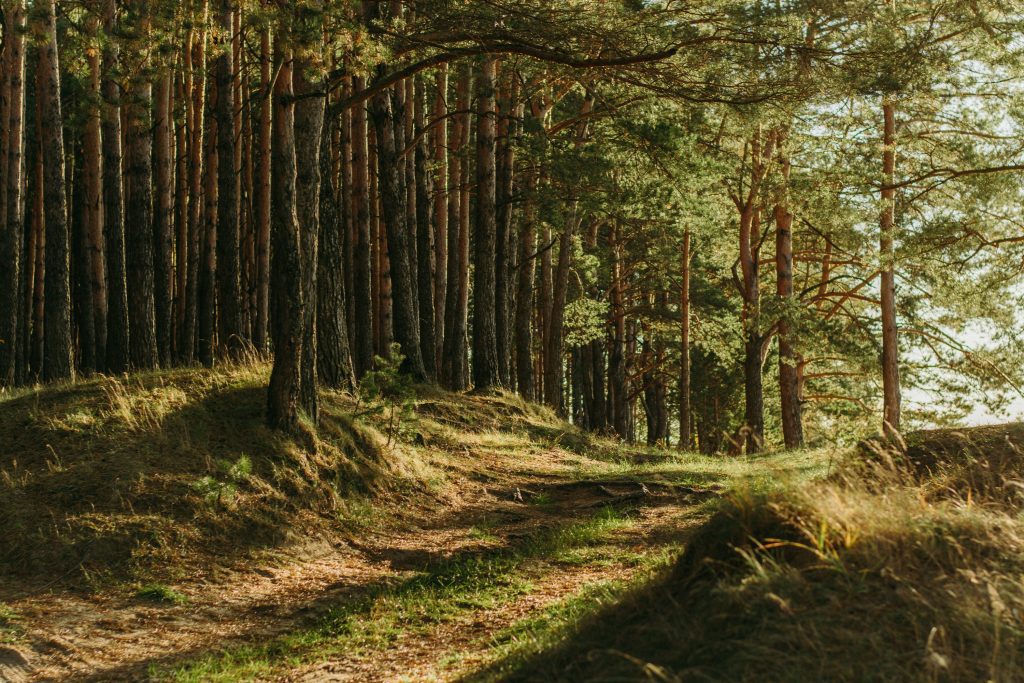
Current Statistics
In Pakistan, the tree ratio is significantly lower compared to the global average. According to available data, Pakistan has approximately 5 trees per person. This is in stark contrast to the global average of 422 trees per person. Pakistan has 1,131 trees per Square Kilometer. Pakistan’s forest covered area is 4.8% which is well below the United Nations recommended 12%.The low tree ratio in Pakistan highlights the need for urgent reforestation efforts to improve the country’s green cover and ensure a sustainable environment for future generations.
Steps Taken for Reforestation in Pakistan
Government Initiatives
The government of Pakistan has recognized the importance of reforestation and has launched several initiatives to increase the country’s forest cover. One of the most notable efforts is the “Billion Tree Tsunami” project, which was launched in the Khyber Pakhtunkhwa province. This ambitious project aimed to plant one billion trees to restore degraded forests and improve the environment. The project has been successful in adding 350,000 hectares of trees through planting and natural regeneration.
Community-Based Programs
In addition to government initiatives, various community-based programs have been implemented to promote reforestation in Pakistan. Local communities, non-governmental organizations, and volunteers have come together to plant trees and raise awareness about the importance of forests. These programs focus on involving the youth and local residents in tree planting activities, ensuring that the efforts are sustainable and have a lasting impact.
International Support
Pakistan has also received support from international organizations for its reforestation efforts. The International Union for Conservation of Nature (IUCN) and the World Wildlife Fund (WWF) have been actively involved in promoting sustainable forest management practices in the country. These organizations provide technical assistance, funding, and expertise to help Pakistan achieve its reforestation goals.
Urban Forestry
Urban forestry is another important aspect of reforestation in Pakistan. Cities like Lahore, Karachi, and Islamabad have implemented urban forestry projects to increase green spaces and improve air quality. The Miyawaki method, a technique for creating dense, native forests in urban areas, has gained popularity in Pakistan. These urban forests not only enhance the aesthetic appeal of cities but also provide numerous environmental benefits.
Educational Campaigns
Educational campaigns play a crucial role in promoting reforestation and raising awareness about the importance of trees. Schools, colleges, and universities in Pakistan have incorporated tree planting activities into their curricula. These campaigns aim to educate the younger generation about the significance of forests and encourage them to participate in conservation efforts.
In conclusion, the tree ratio in Pakistan is significantly lower than the global average, highlighting the need for urgent reforestation efforts. The government, local communities, and international organizations have taken several steps to increase the country’s forest cover and improve the environment. Initiatives such as the Billion Tree Tsunami project, community-based programs, urban forestry, and educational campaigns are crucial in ensuring a sustainable future for Pakistan’s forests. By raising awareness and supporting reforestation efforts, we can work towards a greener and healthier environment for future generations.
Source: To ensure the accuracy and authenticity of the information provided, the following sources were referenced:
- Pakistan Deforestation Rates & Statistics – Global Forest Watch
- National forest products statistics, Pakistan – FAO
- Forestry in Pakistan – Wikipedia