Excerpt: This post answers the questions “What percentage of Pakistan is mountainous? How much of Pakistan’s total land area is mountainous? How much area of Pakistan is covered with mountains?”
Pakistan is a country with a diverse and stunning landscape that ranges from soaring mountains to expansive deserts. The country’s topography plays a crucial role in shaping its climate, culture, and economy. One of the most remarkable features of Pakistan’s landscape is its mountainous regions, which include some of the world’s highest peaks and most breathtaking scenery. But just how much of Pakistan is covered by mountains? Let’s delve into the percentage of mountainous terrain in Pakistan and explore its topography in more detail.
What percentage of Pakistan is mountainous?
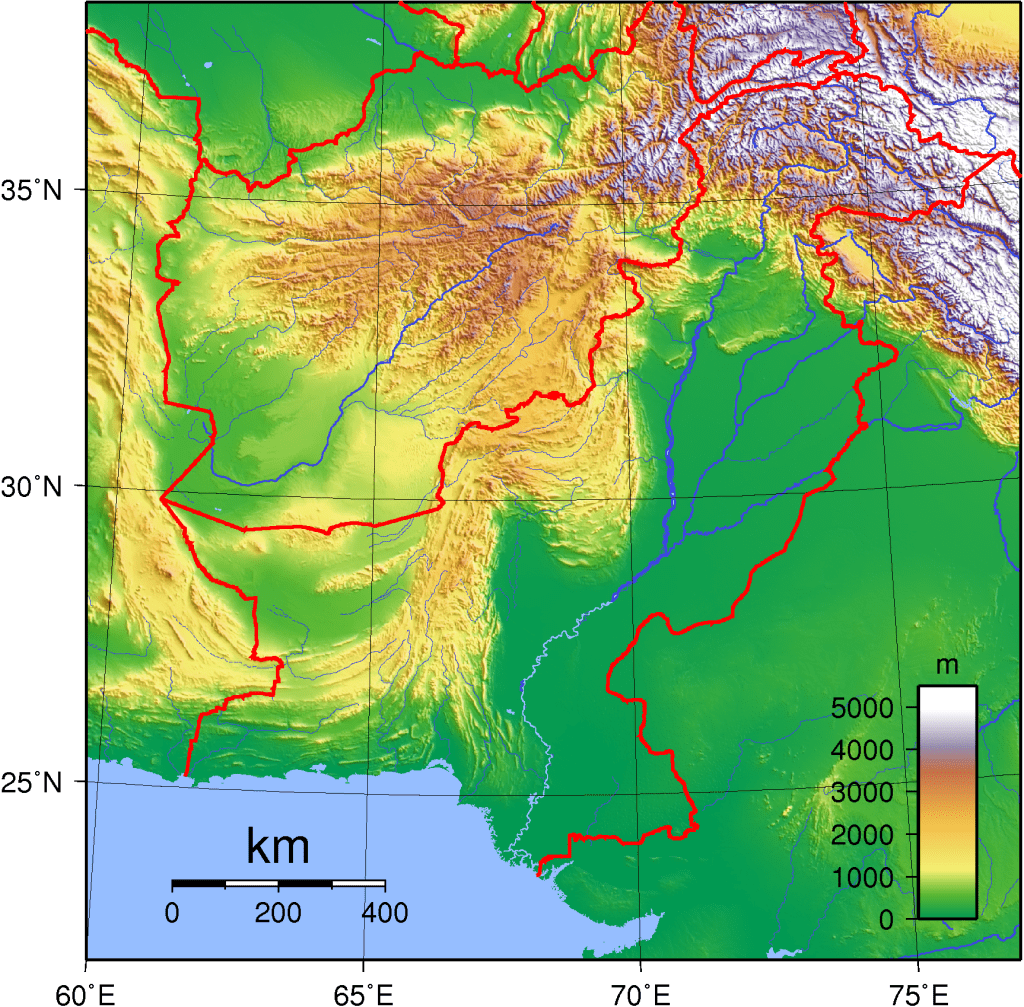
Approximately sixty percent (60%) of Pakistan’s total land area is comprised of mountains, plateau and rough terrain. This is why Pakistan is home to some of the world tallest peaks and plateaus. The mountainous terrain includes some of the most famous mountain ranges in the world, such as the Himalayas, the Karakoram Range, and the Hindu Kush. These ranges not only contribute to the natural beauty of Pakistan but also play a significant role in the country’s climate, water resources, and biodiversity.
The remaining forty percent (40%) of Pakistan’s terrain is mostly comprised of wide plains.
The Topography of Pakistan
Northern Mountains
The northern part of Pakistan is dominated by the towering peaks of the Himalayas, the Karakoram Range, and the Hindu Kush. This region is home to some of the highest mountains in the world, including K2, Nanga Parbat, and Rakaposhi. The rugged terrain and extreme altitudes of these mountains create a challenging environment but also offer stunning landscapes and opportunities for adventure tourism.
The northern mountains are characterized by deep valleys, glaciers, and snow-capped peaks. The region receives significant snowfall during the winter months, which contributes to the formation of glaciers and the replenishment of rivers and streams. The glacial meltwater is a vital source of fresh water for the surrounding areas and plays a crucial role in irrigation and agriculture.
Western Mountains
In the western part of Pakistan, the landscape is dominated by the Balochistan Plateau and the Sulaiman Range. The Balochistan Plateau is a vast, arid region with rugged terrain and high mountain ranges. The Sulaiman Range, which stretches along the western border of Pakistan, is known for its rocky terrain and dramatic elevations.
The western mountains are less well-known than the northern ranges but are equally significant in terms of their geological features and natural resources. The region is rich in minerals, including copper, gold, and natural gas, making it an important area for mining and resource extraction.
Central and Southern Plains
In contrast to the mountainous regions, the central and southern parts of Pakistan are characterized by vast plains and low-lying areas. The Indus River, which flows through the heart of Pakistan, creates a fertile floodplain that supports agriculture and sustains the livelihoods of millions of people. The plains are dotted with small hills and plateaus but are generally flat and conducive to farming.
The central and southern plains are also home to several deserts, including the Thar Desert in Sindh and the Cholistan Desert in Punjab. These arid regions experience extreme temperatures and receive very little rainfall, making them challenging environments for human habitation and agriculture.
Coastal Areas
Pakistan’s coastline stretches for about 1,046 kilometers along the Arabian Sea. The coastal areas are characterized by sandy beaches, rocky cliffs, and mangrove forests. The coastline is relatively flat compared to the mountainous regions but is subject to coastal erosion and rising sea levels.
The coastal areas are important for fishing, trade, and tourism. Major ports like Karachi and Gwadar play a crucial role in Pakistan’s economy, facilitating international trade and commerce. The coastal regions also support diverse marine ecosystems and provide habitat for various species of fish, birds, and marine mammals.
The Significance of Pakistan’s Mountains
The mountainous regions of Pakistan are not only a source of natural beauty but also play a vital role in the country’s climate, water resources, and biodiversity. The mountains act as natural barriers, influencing weather patterns and protecting the low-lying areas from extreme climatic events.
The glaciers and snowfields in the northern mountains are a critical source of fresh water, feeding into major rivers like the Indus River. The glacial meltwater supports agriculture, industry, and domestic water supply, making it a lifeline for millions of people.
The mountainous regions are also rich in biodiversity, providing habitat for a wide range of plant and animal species. The unique ecosystems found in these areas are home to several endangered species, such as the snow leopard, Himalayan brown bear, and Marco Polo sheep. Conservation efforts are essential to protect these fragile ecosystems and ensure the survival of these species.
Cultural and Economic Impact
The mountainous regions of Pakistan have a significant cultural and economic impact on the country. The diverse landscapes and natural beauty attract tourists from around the world, contributing to the tourism industry and supporting local economies. Adventure tourism, including trekking, mountaineering, and skiing, is particularly popular in the northern mountains.
The mountains also hold cultural and historical significance for the people of Pakistan. Many communities in the mountainous regions have unique traditions, languages, and ways of life that are closely tied to the natural environment. The rich cultural heritage of these areas is celebrated through festivals, music, and crafts.
In conclusion, approximately 60% of Pakistan’s land area is mountainous, with the northern and western regions dominated by some of the world’s most impressive mountain ranges. The topography of Pakistan is incredibly diverse, ranging from towering peaks and rugged plateaus to fertile plains and coastal areas. Understanding the percentage of mountainous terrain and the significance of these regions helps us appreciate the natural beauty, cultural heritage, and economic importance of Pakistan’s diverse landscapes.
Source: To ensure the accuracy and authenticity of the information provided, the following sources were referenced:
- Pakistan | History, Population, Religion, & Prime Minister – Britannica
- Geography of Pakistan – Wikipedia