Excerpt: This post answers the questions “In which mountain range Nanga Parbat is situated? Nanga Parbat is located in which mountain range? What is the name of Nanga Parbat mountain range?”
Majestic peaks, sprawling glaciers, and formidable heights are some of the defining characteristics of the world’s great mountain ranges. Among these, a particular range hosts one of the most famous and challenging mountains on the planet. Known for its impressive height and difficult ascent, this mountain has captured the imagination of adventurers, geologists, and nature enthusiasts. But in which mountain range is this awe-inspiring peak located? Let’s uncover the range that is home to this remarkable natural wonder.
In Which Mountain Range is Nanga Parbat Situated?
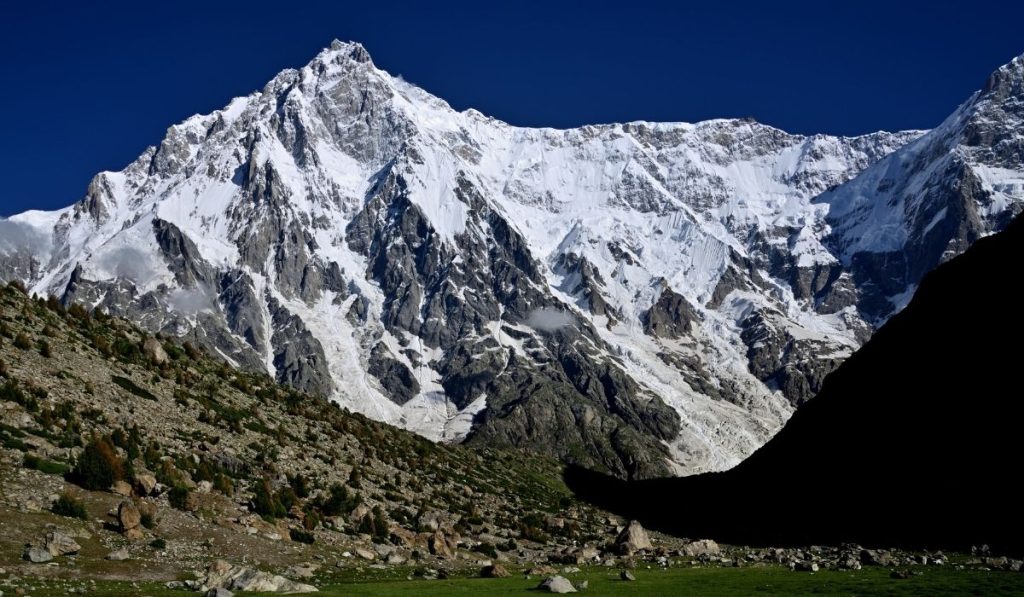
Nanga Parbat, one of the world’s tallest and most formidable mountains, is situated in the Himalaya mountain range. Specifically, it is located in the western part of the Himalayas, within the Gilgit-Baltistan region of Pakistan. The Himalayas are renowned for their towering peaks, extensive glaciers, and diverse landscapes, making them one of the most significant mountain ranges globally. Nanga Parbat, often referred to as the “Killer Mountain,” is the ninth-highest peak in the world and is known for its dramatic features and challenging climbing routes.
The Himalayas span across several countries, including Pakistan, India, Nepal, Bhutan, and China, and serve as a natural barrier between the Indian subcontinent and the Tibetan Plateau. Nanga Parbat, with its towering height and treacherous terrain, is one of the most iconic peaks within this vast and awe-inspiring range.
Other Important Peaks in the Himalaya Mountain Range
Mount Everest
Elevation: 8,848 meters (29,029 feet)
Mount Everest, also known as Sagarmatha in Nepal and Chomolungma in Tibet, is the highest peak in the world. It is situated in the eastern Himalayas, on the border between Nepal and the Tibet Autonomous Region of China. Everest has long been a symbol of human endurance and achievement, attracting climbers from around the globe who seek to reach its summit. The mountain’s towering height and harsh conditions make it a formidable challenge for even the most experienced mountaineers.
Kangchenjunga
Elevation: 8,586 meters (28,169 feet)
Kangchenjunga is the third-highest mountain in the world and is located in the eastern Himalayas, straddling the border between Nepal and the Indian state of Sikkim. The name “Kangchenjunga” translates to “The Five Treasures of Snow,” referring to its five prominent peaks. The mountain is revered by the local communities and holds significant cultural and spiritual importance. Climbers attempting Kangchenjunga must navigate complex terrain and unpredictable weather conditions.
Lhotse
Elevation: 8,516 meters (27,940 feet)
Lhotse is the fourth-highest peak in the world and is located near Mount Everest, forming part of the Everest massif. The mountain’s name means “South Peak” in Tibetan, reflecting its proximity to Everest. Lhotse is known for its steep faces and challenging climbing routes, making it a popular destination for experienced mountaineers. The first successful ascent of Lhotse was achieved in 1956 by a Swiss expedition.
Makalu
Elevation: 8,485 meters (27,838 feet)
Makalu is the fifth-highest mountain in the world and is located in the Mahalangur range of the Himalayas, southeast of Mount Everest. The mountain is known for its distinctive pyramid shape and sharp ridges. Makalu is considered one of the most difficult eight-thousanders to climb, with climbers facing technical challenges and severe weather conditions. The first successful ascent of Makalu was made by a French expedition in 1955.
Cho Oyu
Elevation: 8,188 meters (26,864 feet)
Cho Oyu, the sixth-highest peak in the world, is situated in the Himalayas near the border between Nepal and China. The mountain’s name means “Turquoise Goddess” in Tibetan, reflecting its stunning appearance. Cho Oyu is considered one of the more accessible eight-thousanders, attracting climbers seeking a less technically demanding ascent. The first successful ascent of Cho Oyu was achieved in 1954 by an Austrian expedition.
Dhaulagiri
Elevation: 8,167 meters (26,795 feet)
Dhaulagiri is the seventh-highest peak in the world and is located in the western Himalayas, in Nepal. The mountain’s name means “White Mountain” in Sanskrit, reflecting its snow-covered slopes. Dhaulagiri is known for its massive size and challenging climbing routes. The first successful ascent of Dhaulagiri was made in 1960 by a Swiss-Austrian-Nepali expedition.
Manaslu
Elevation: 8,163 meters (26,781 feet)
Manaslu, the eighth-highest peak in the world, is located in the west-central part of Nepal. The mountain’s name means “Mountain of the Spirit” in Sanskrit. Manaslu is known for its remote location and challenging climbing conditions. The first successful ascent of Manaslu was achieved in 1956 by a Japanese expedition. The mountain offers stunning views and a sense of isolation, attracting climbers seeking a unique and less crowded ascent.
In conclusion, Nanga Parbat is situated in the majestic Himalaya mountain range, within Pakistan’s Gilgit-Baltistan region. As one of the highest and most challenging peaks in the world, Nanga Parbat stands as a testament to the awe-inspiring power of nature and the indomitable spirit of human exploration. The Himalayas, home to many of the world’s tallest mountains, offer unparalleled opportunities for adventure and discovery. From the towering heights of Mount Everest to the remote beauty of Manaslu, the Himalaya range continues to captivate and inspire all who encounter its majestic presence.
Source: To ensure the accuracy and authenticity of the information provided, the following sources were referenced:
- Nanga Parbat – Wikipedia
- Nanga Parbat | Himalayas – Britannica