Excerpt: This post answers the questions “What is the difference between Potohar plateau and Balochistan plateau? How to differentiate between Potowar and Balochistan plateau?”
Plateaus are fascinating geographical features that capture the imagination of geologists and travelers alike. In Pakistan, two prominent plateaus stand out: the Potohar Plateau and the Balochistan Plateau. While both are significant in their own right, they are unique in various aspects such as location, climate, geology, and cultural influence. Understanding the differences between these two plateaus can provide deeper insights into Pakistan’s diverse landscape.
What is the difference between Potohar plateau and Balochistan plateau?
The Potohar Plateau and the Balochistan Plateau are two distinct geographical regions in Pakistan, each with its own unique characteristics. The main difference between the two plateaus is;
The Potohar Plateau has many ups and down, which means it is not on same level. It has many broken grounds which makes water drainage easy. Balochistan Plateau on the other hand is composed next to plains and mountains and lake features like Pothohar Plateau.
Rest of the differences between these two plateaus in terms of location, climate, geology, and cultural significance have been discussed in below paras.
Potohar Plateau
The Potohar Plateau is located in the northern part of Pakistan, primarily in the Punjab province. It is bordered by the Jhelum River to the northeast, the Indus River to the west, and the Salt Range to the south. The Potohar Plateau covers an area of approximately 17,000 square kilometers.
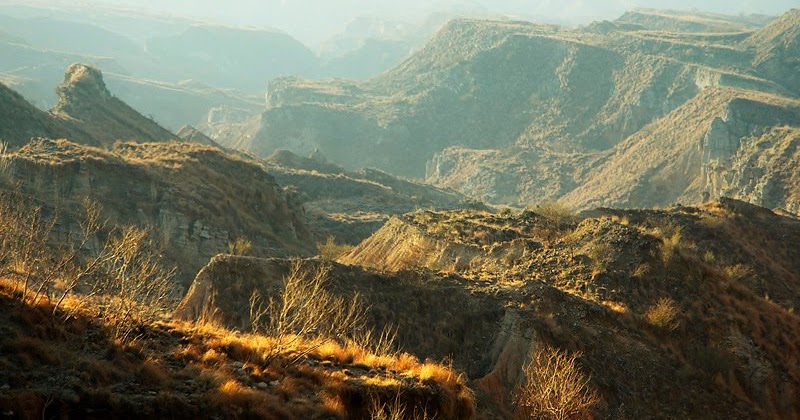
Location and Geography
The Potohar Plateau is characterized by its undulating terrain, with a mix of low hills, valleys, and ravines. The region is rich in natural resources, including limestone, sandstone, and gypsum. The soil in the Potohar Plateau is generally fertile, making it suitable for agriculture.
Climate
The climate of the Potohar Plateau is semi-arid, with hot summers and mild winters. The region receives moderate rainfall, mainly during the monsoon season (July to September). The average annual rainfall ranges from 300 to 500 millimeters.
Geology
The Potohar Plateau is geologically significant due to its diverse rock formations, which date back to the Paleozoic, Mesozoic, and Cenozoic eras. The region is known for its rich fossil deposits, including remains of ancient marine life and dinosaurs. The plateau is also home to several important archaeological sites, such as the ancient city of Taxila.
Cultural Significance
The Potohar Plateau has a rich cultural heritage, with a history that dates back thousands of years. The region has been influenced by various civilizations, including the Indus Valley Civilization, the Maurya Empire, and the Mughal Empire. The Potohar Plateau is known for its traditional crafts, music, and cuisine, which reflect the diverse cultural influences of the region.
Balochistan Plateau
The Balochistan Plateau, also known as the Balochistan Highlands, is located in the southwestern part of Pakistan. It covers an area of approximately 347,190 square kilometers, making it one of the largest plateaus in the country. The plateau extends into neighboring Iran and Afghanistan.
Location and Geography
The Balochistan Plateau is characterized by its rugged terrain, with high mountains, deep valleys, and extensive deserts. The region is home to several mountain ranges, including the Sulaiman Mountains, the Toba Kakar Range, and the Chagai Hills. The Balochistan Plateau is also known for its vast mineral resources, including copper, gold, and natural gas.
Climate
The climate of the Balochistan Plateau is arid to semi-arid, with hot summers and cold winters. The region receives very little rainfall, with the average annual precipitation ranging from 50 to 200 millimeters. The harsh climate and lack of water make agriculture challenging in the Balochistan Plateau.
Geology
The Balochistan Plateau is geologically diverse, with rock formations that date back to the Precambrian era. The region is known for its tectonic activity, which has resulted in the formation of several mountain ranges and geological features. The Balochistan Plateau is also rich in fossils, including remains of ancient marine life and early human settlements.
Cultural Significance
The Balochistan Plateau has a unique cultural heritage, with a history that spans thousands of years. The region is home to the Baloch people, who have a distinct language, traditions, and way of life. The Balochistan Plateau is known for its traditional crafts, such as carpet weaving, pottery, and embroidery. The region’s cuisine, music, and dance also reflect the rich cultural heritage of the Baloch people.
In summary, the Potohar Plateau and the Balochistan Plateau are two distinct geographical regions in Pakistan, each with its own unique characteristics. The Potohar Plateau is known for its fertile soil, diverse rock formations, and rich cultural heritage, while the Balochistan Plateau is characterized by its rugged terrain, harsh climate, and unique cultural traditions. By understanding the differences between these two plateaus, we can appreciate the diverse landscapes and cultural heritage of Pakistan.