
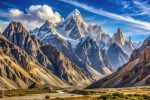
Excerpt: This post answers the questions “What is the length of Himalaya Range in Pakistan? How long is the Himalaya Range in Pakistan?”
The Himalayas, often referred to as the “abode of snow,” are one of the most magnificent mountain ranges in the world. Stretching across five countries, this majestic range is known for its towering peaks, including the famous Mount Everest. While the majority of the Himalayas lie in countries like India, Nepal, and Bhutan, a significant portion extends into Pakistan as well. This extension of the Himalayan range into Pakistan is often overlooked, but it holds immense geographical and cultural significance.
What is the length of Himalaya Range in Pakistan?
The length of the Himalayan range in Pakistan is approximately 320 Kilometers (200 Miles). This section of the Himalayas is situated in the northern part of the country, mainly encompassing the regions of Gilgit-Baltistan and Azad Jammu and Kashmir. The mountainous terrain in these areas is a part of the greater Himalayan system, featuring some of the world’s highest peaks and extensive glaciation.
The Himalaya Range in Pakistan
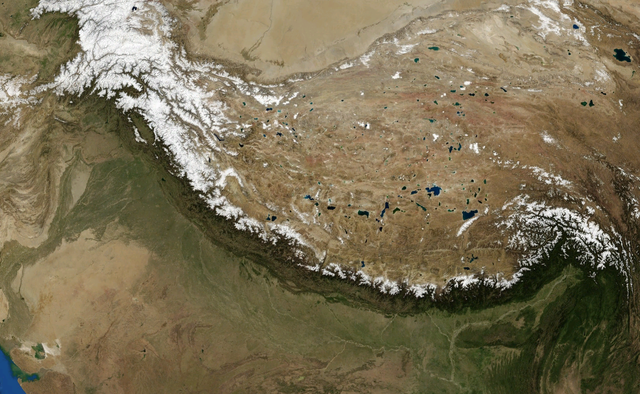
Location and Geography
The Himalayan range in Pakistan primarily stretches across the regions of Gilgit-Baltistan and Azad Jammu and Kashmir. The landscape here is dominated by snow-covered peaks, deep valleys, and numerous glaciers. This section of the Himalayas is characterized by its rugged terrain and dramatic elevations, which rise abruptly from the surrounding plains.
The northern areas of Pakistan are home to some of the highest peaks in the world, including Nanga Parbat, which stands at an elevation of 8,126 meters and is the ninth-highest mountain globally. The region is also dotted with numerous lakes, rivers, and alpine meadows, making it a haven for nature enthusiasts and trekkers.
Climate
The climate of the Himalayan range in Pakistan varies significantly with altitude. In the lower elevations, the climate is temperate, with warm summers and cold winters. As you ascend higher, the climate becomes increasingly harsh, with freezing temperatures and heavy snowfall. The upper reaches of the Himalayas experience extreme cold throughout the year, with temperatures often dropping below freezing even in summer.
The region receives most of its precipitation during the monsoon season, which lasts from June to September. However, in the higher altitudes, snowfall is more common than rain, contributing to the formation of glaciers and perennial snowfields.
Geology
The Himalayan range in Pakistan is geologically diverse, featuring a complex mix of sedimentary, metamorphic, and igneous rocks. The region’s geological history is marked by intense tectonic activity, which has resulted in the formation of its towering peaks and deep valleys. The collision between the Indian Plate and the Eurasian Plate, which began around 50 million years ago, continues to shape the Himalayas today.
This ongoing tectonic activity makes the region prone to earthquakes and landslides, adding to the challenges faced by the local population. Despite these challenges, the geological diversity of the Himalayas has contributed to its rich mineral resources, including deposits of precious metals and gemstones.
Flora and Fauna
The Himalayan range in Pakistan is home to a diverse array of flora and fauna, many of which are unique to the region. The lower slopes are covered with lush forests of pine, oak, and rhododendron, while the higher elevations are dominated by alpine meadows and shrubs. The region’s rich biodiversity includes several rare and endangered species, such as the snow leopard, Himalayan brown bear, and Markhor (a type of wild goat).
The pristine natural environment of the Himalayas provides a critical habitat for these species, many of which have adapted to the harsh climatic conditions. Conservation efforts are underway to protect this unique biodiversity and ensure the survival of these species for future generations.
Cultural Significance
The Himalayan range in Pakistan is not only a natural wonder but also a region of immense cultural significance. The area is home to various ethnic groups, each with its own unique traditions, languages, and customs. The local cultures are deeply intertwined with the natural environment, with many communities relying on traditional farming, herding, and handicrafts for their livelihoods.
The region is also rich in historical and archaeological sites, reflecting its long and diverse history. Ancient forts, Buddhist stupas, and petroglyphs can be found throughout the area, offering a glimpse into the region’s past. The cultural heritage of the Himalayas is celebrated through various festivals, music, and dance, which continue to thrive in these remote mountain communities.
In summary, the Himalayan range in Pakistan stretches for approximately 300 kilometers, encompassing some of the most dramatic and awe-inspiring landscapes in the world. This region is characterized by its towering peaks, diverse geology, rich biodiversity, and vibrant cultural heritage. Understanding the length and significance of the Himalayas in Pakistan allows us to appreciate the natural beauty and cultural richness of this remarkable part of the world.
Source: To ensure the accuracy and authenticity of the information provided, the following sources were referenced:
- Pakistan – Himalayas, Karakoram, Indus – Britannica
- Himalayas – Wikipedia

