
Excerpt: This post answers the questions “How much area of Pakistan has forests? How much area of Pakistan is covered with forests? What percentage of Pakistan is forest?”
Forests play an essential role in sustaining the balance of our planet’s ecosystems. They serve as the lungs of the earth, absorbing carbon dioxide and releasing oxygen, supporting countless species of flora and fauna, and providing numerous ecological, economic, and social benefits. In Pakistan, forests are crucial for the nation’s environmental health, biodiversity, and the well-being of its people.
How Much Area of Pakistan Has Forests?
What percentage of Pakistan is forest?
According to World Bank and Food and Agriculture Organization report, forests cover approximately 4.8% of Pakistan’s total land area. This percentage translates to around 4.57 million hectares. Despite this modest figure, Pakistan’s forests are incredibly diverse, ranging from the coniferous forests in the northern mountainous regions to the riverine forests along the Indus River, and the mangrove forests in the coastal areas of Sindh and Balochistan.
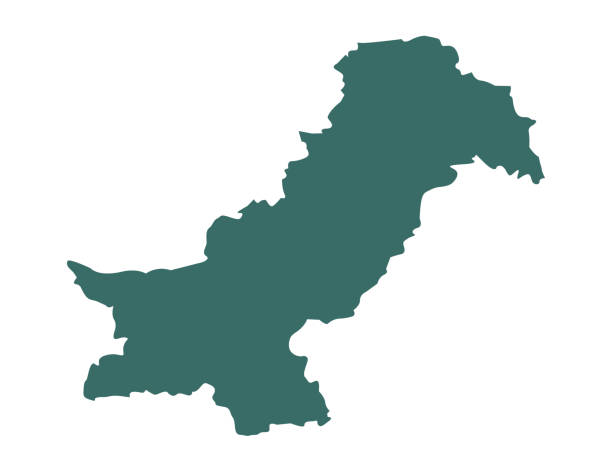
Forests in Pakistan
Types of Forests
Pakistan’s forests can be broadly categorized into several types:
- Coniferous Forests: These are found in the northern regions, particularly in Khyber Pakhtunkhwa and Gilgit-Baltistan. They consist of species like pine, spruce, fir, and deodar.
- Sub-Tropical Scrub Forests: Located in the lower Himalayan foothills and the Pothohar Plateau, these forests consist of scrub vegetation, including acacia, olive, and other drought-resistant species.
- Riverine Forests: Found along the Indus River and its tributaries, these forests are dominated by species like shisham, babul, and tamarisk.
- Mangrove Forests: Found in the coastal areas of Sindh and Balochistan, these unique forests consist of salt-tolerant species like Avicennia marina.
- Irrigated Plantations: These are man-made forests established in Punjab and Sindh, primarily consisting of eucalyptus, shisham, and poplar.
Importance of Forests in Pakistan
Forests in Pakistan provide numerous benefits, including:
- Environmental Benefits: Forests act as carbon sinks, reducing greenhouse gas emissions and combating climate change. They also help in soil conservation, preventing erosion and maintaining soil fertility.
- Biodiversity: Pakistan’s forests are home to diverse flora and fauna, including endangered species like the snow leopard, markhor, and Indus River dolphin.
- Economic Benefits: Forests contribute to the livelihoods of millions of people through timber production, non-timber forest products (e.g., medicinal plants, honey), and ecotourism.
- Water Regulation: Forests play a crucial role in regulating water cycles, maintaining water quality, and reducing the risk of floods and droughts.
Initiatives to Improve Forest Cover
Recognizing the importance of forests, the government and various organizations have undertaken several initiatives to increase forest cover in Pakistan:
- Billion Tree Tsunami: Launched in 2014 by the Khyber Pakhtunkhwa government, this massive afforestation project aimed to plant one billion trees in the province. The project was successfully completed, and it received international acclaim.
- Ten Billion Tree Tsunami: Building on the success of the Billion Tree Tsunami, the federal government launched the Ten Billion Tree Tsunami initiative in 2018. This ambitious project aims to plant ten billion trees across the country by 2023, involving communities, NGOs, and various stakeholders.
- Green Pakistan Program: This program, launched in 2016, aims to restore and rehabilitate degraded forest landscapes, protect biodiversity, and improve the livelihoods of local communities. The program focuses on reforestation, afforestation, and the conservation of existing forests.
- Mangrove Rehabilitation: Various initiatives have been undertaken to restore and expand mangrove forests along the coastlines of Sindh and Balochistan. These efforts include planting new mangroves, protecting existing mangrove ecosystems, and raising awareness about the importance of mangroves for coastal protection and biodiversity.
What is the total forest area of Pakistan?
The total forest area of Pakistan is approximately 4.8 million hectares, which constitutes about 5% of the country’s total land area. This includes various types of forests such as coniferous, riverine, and mangrove forests, each playing a crucial role in maintaining the ecological balance and supporting biodiversity.
In conclusion, while Pakistan’s forest cover stands at approximately 4.8%, the nation’s diverse forest ecosystems play a crucial role in maintaining ecological balance, supporting biodiversity, and providing numerous benefits to society. Through various initiatives, the government and organizations are working tirelessly to increase forest cover, restore degraded landscapes, and protect these valuable resources for future generations. As the world faces the challenges of climate change and environmental degradation, it is imperative for Pakistan to continue its efforts in forest conservation and sustainable management.
Source: To ensure the accuracy and authenticity of the information provided, the following sources were referenced:
- National forest products statistics, Pakistan – FAO
- Forest area (% of land area) | Pakistan – World Bank
- Pakistan – Forest Area (% Of Land Area) | 2025 Data 2026 – Trading Economics
- Forestry – Wikipedia

