Excerpt: This post answers the questions “What are the native trees of Pakistan? List of the native trees of Pakistan with pictures? Which are the native trees of Pakistan?”
In Pakistan, there are over 430 types of trees spread across 82 families and 226 groups. Among these, 22 types belong to softwood trees called gymnosperms, which come from 5 different families and 11 groups.
The Deodar Tree is Pakistan’s national tree. Its name comes from the Sanskrit language and means “Wood of the God.” It is one of the tallest trees in the country, growing up to 40-50 meters high with trunks that can be as wide as 3 meters.
What are the native trees of Pakistan?
Here’s a detailed look at some of the prominent native trees of Pakistan:
1. Deodar (Cedrus deodara)
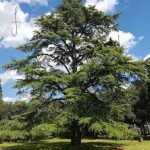
Deodar, also known as the Himalayan cedar, is a majestic coniferous tree native to the western Himalayas. It is often found in the mountainous regions of northern Pakistan. Deodar trees can grow up to 70 meters tall and are known for their straight trunks and aromatic wood. The wood is highly valued for its durability and is used in construction, furniture-making, and religious artifacts.
2. Chir Pine (Pinus roxburghii)
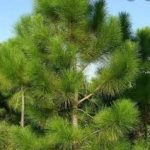
Chir Pine is another important native tree of Pakistan, predominantly found in the lower to mid-altitude Himalayan regions. This evergreen conifer can reach heights of up to 55 meters and is characterized by its long needles and reddish-brown bark. Chir Pine forests provide valuable timber and resin, which is used in various industrial applications.
3. Babul (Vachellia nilotica)
Babul, also known as the Indian gum arabic tree or thorn mimosa, is a thorny tree native to arid and semi-arid regions of Pakistan. It is widely distributed in the plains and foothills. Babul trees are known for their hard, durable wood, which is used for making tools, fences, and firewood. The tree also produces gum arabic, which has various industrial and medicinal uses.
4. Sheesham (Dalbergia sissoo)
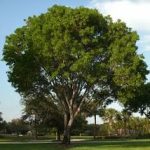
Sheesham, or Indian rosewood, is a deciduous tree commonly found along riverbanks and in the plains of Pakistan. It can grow up to 25 meters tall and is highly valued for its strong, termite-resistant wood. Sheesham wood is extensively used in furniture-making, cabinetry, and flooring. The tree also helps in soil conservation and reclamation of degraded lands.
5. Neem (Azadirachta indica)
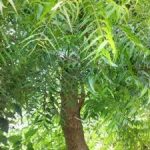
Neem is a versatile and resilient tree native to the Indian subcontinent, including Pakistan. It is well-known for its medicinal properties and environmental benefits. Neem trees can grow up to 20 meters tall and are characterized by their dense foliage and bitter-tasting leaves. The tree’s bark, leaves, seeds, and oil have been used for centuries in traditional medicine to treat various ailments. Neem is also used in agriculture as a natural pesticide and soil enhancer.
6. Banyan (Ficus benghalensis)
Banyan is an iconic tree native to the tropical and subtropical regions of Pakistan. It is known for its sprawling canopy and aerial roots, which can form new trunks and create a network of interconnected trees. Banyan trees can live for centuries and provide shade, shelter, and habitat for various wildlife species. The tree holds cultural and religious significance and is often considered sacred.
7. Peepal (Ficus religiosa)
Peepal, also known as the sacred fig or bo tree, is another native fig tree of Pakistan. It is revered in various cultures and religions, including Hinduism and Buddhism. Peepal trees can grow up to 30 meters tall and are characterized by their heart-shaped leaves. The tree provides numerous ecological benefits, including air purification and support for diverse wildlife.
8. Kikar (Vachellia nilotica)
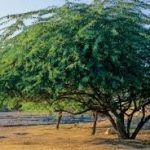
Kikar, also known as black thorn or thorny acacia, is a native tree of Pakistan’s arid regions. It is a hardy tree that can withstand harsh environmental conditions. Kikar trees have thorny branches and yellow flowers, and they play a crucial role in preventing soil erosion and providing fodder for livestock. The tree’s wood is used for fuel, charcoal, and construction.
9. Mulberry (Morus alba)
Mulberry is a deciduous tree native to the temperate regions of Pakistan. It is known for its fast growth and adaptability to various soil types. Mulberry trees produce edible berries that are rich in nutrients and antioxidants. The leaves of the mulberry tree are the primary food source for silkworms, making it an essential tree for the silk industry.
10. Mango (Mangifera indica)
Mango is one of the most cherished native fruit trees of Pakistan. It is widely cultivated in the southern and central regions of the country. Mango trees can grow up to 40 meters tall and produce delicious, aromatic fruits that are enjoyed worldwide. The tree also has cultural significance and is celebrated during the mango season with festivals and events.
Other Common Trees
Kair or Karir, Vann, Catechu, Phulai, Babul, Jand (Punjabi), Kandi (Sindhi), White Mangrove, Populus, Drooping Juniper, Pindrow Fir, Deodar, Morinda Spruce, Chilgoza, Chir Pine, Blue Pine or Kail, Chenar or Chinar,
Pakistan’s native trees are a testament to the country’s rich natural heritage and biodiversity. These trees not only provide ecological and environmental benefits but also hold cultural, economic, and medicinal significance. By understanding and appreciating the importance of native trees, we can contribute to their conservation and ensure that future generations continue to enjoy the benefits they offer.
Source: To ensure the accuracy and authenticity of the information provided, the following sources were referenced:
- Trees of Pakistan – Wikipedia
- FOREST AND ENVIRONMENT SPECIES – Forestry Wildlife & Fisheries Department Punjab