Excerpt: This post answers the questions “What is the total forest area of Khyber Pakhtunkhwa (KPK)? How much area of Khyber Pakhtunkhwa has forest? What is the forest area of KPK?”
Forests are vital to the health of our planet, offering a range of benefits such as clean air, water regulation, and habitats for wildlife. They also play a crucial role in combating climate change by absorbing carbon dioxide and releasing oxygen. Understanding the extent of forest cover in various regions is essential for effective conservation and management. In this blog post, we will explore the total forest area of a specific province and dive into the details of its forests and their significance.
What is the Total Forest Area of Khyber Pakhtunkhwa (KPK)?
Forest Area Overview
Khyber Pakhtunkhwa (KPK), a province in Pakistan, is renowned for its natural beauty and diverse landscapes. The total forest area of KPK is approximately 2.043 million hectares (20430 Square Kilometers), which constitutes about 14.1% of the province’s total land area. Remarkably, this forest cover accounts for about 45% of Pakistan’s total forest area, making KPK a vital region for the country’s ecological health and sustainability.
The Khyber Pakhtunkhwa forestry, environment and wildlife department in 2021, claimed an increase of 846.5 Square Kilometers in the forest covered area of the province from 2007 to 2018 due to the government’s initiatives.
Forests in Khyber Pakhtunkhwa: An Overview
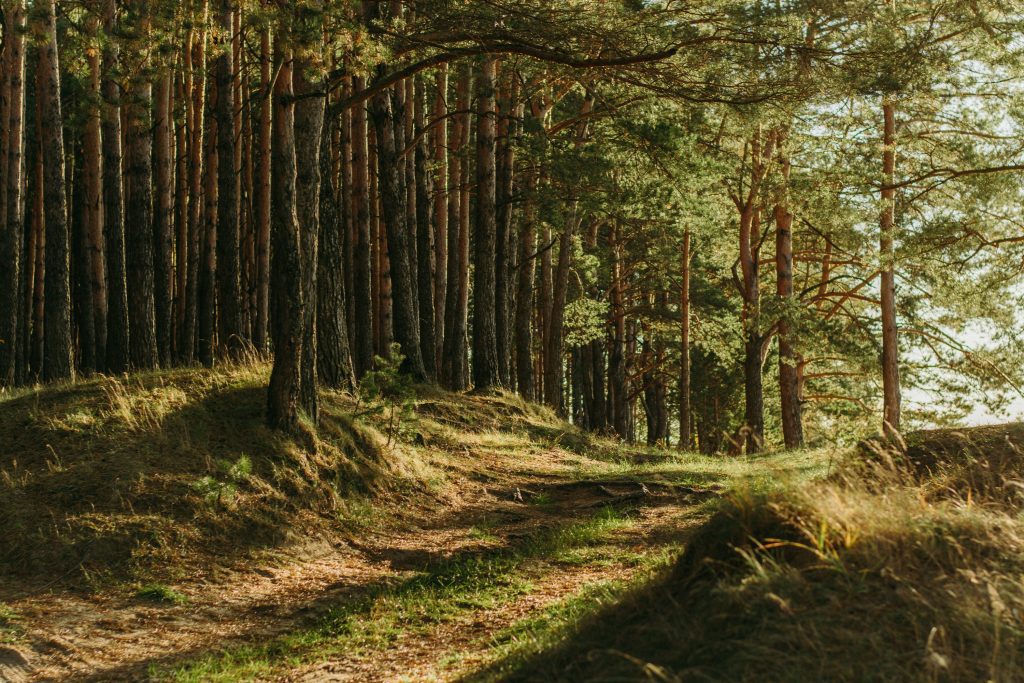
Types of Forests in KPK
Khyber Pakhtunkhwa is home to a variety of forest types, each with its unique characteristics and importance:
- Coniferous Forests: Found in the northern regions of KPK, such as Swat, Dir, and Chitral, these forests are home to species like Deodar, Pine, and Fir. The Deodar tree, also known as the Himalayan cedar, is the national tree of Pakistan and plays a crucial role in the local ecosystem.
- Sub-Tropical Pine Forests: These forests are located in the lower altitude areas of KPK, including Haripur and Abbottabad. Dominated by Chir Pine, these forests provide valuable timber and resin, contributing to the local economy.
- Riverine Forests: Situated along the banks of rivers and streams, riverine forests are essential for preventing soil erosion and maintaining water quality. These forests support a diverse range of tree and shrub species that thrive in moist conditions.
- Dry Temperate Forests: Found in the higher altitude areas of KPK, such as Kohistan and Mansehra, these forests are characterized by species like Oak and Juniper. These trees can withstand harsh climatic conditions, making them vital for the region’s ecological balance.
Ecological Importance of KPK’s Forests
The forests of Khyber Pakhtunkhwa are crucial for maintaining the ecological balance of the region. They act as natural water reservoirs, helping to regulate the water cycle and prevent soil erosion. Forests also provide habitats for a wide range of wildlife species, including endangered animals like the snow leopard and the western tragopan.
Additionally, forests contribute to climate regulation by absorbing carbon dioxide and releasing oxygen. This helps mitigate the effects of climate change and improves air quality. The biodiversity within these forests is essential for the stability of ecosystems and the overall health of the environment.
Economic and Social Benefits
Forests in KPK are a valuable economic resource for local communities. They provide timber, fuelwood, and non-timber forest products such as medicinal plants, fruits, and nuts. The timber industry is a significant source of employment and income for many people in the province.
Moreover, forests support eco-tourism, attracting visitors who come to experience the natural beauty and tranquility of KPK’s landscapes. Eco-tourism initiatives help generate income for local communities while promoting sustainable practices and raising awareness about conservation.
The social benefits of forests are equally important. Many communities in KPK have a deep cultural and historical connection to their forests. Traditional practices, folklore, and religious beliefs often revolve around the natural environment, making forests an integral part of the cultural heritage.
Challenges and Conservation Efforts
Despite their importance, the forests of Khyber Pakhtunkhwa face several challenges. Deforestation, illegal logging, and land conversion for agriculture and infrastructure development are significant threats. These activities lead to the loss of forest cover, degradation of ecosystems, and disruption of wildlife habitats.
To address these challenges, various conservation efforts are being implemented in KPK. The government, non-governmental organizations, and local communities are working to protect and restore forest cover. Initiatives such as afforestation projects, sustainable forest management practices, and community-based conservation programs are being promoted.
One notable effort is the “Billion Tree Tsunami” project, launched in KPK. This ambitious project aims to plant one billion trees to restore degraded forests and improve the environment. Such initiatives are critical in reversing the trend of deforestation and ensuring a sustainable future for KPK’s forests.
In conclusion, the forests of Khyber Pakhtunkhwa (KPK) are a vital natural resource that offers numerous ecological, economic, and social benefits. With a total forest area of approximately 2.043 million hectares, KPK’s forests play a crucial role in maintaining the ecological balance, supporting local livelihoods, and preserving cultural heritage. However, these forests face significant challenges that require urgent attention and concerted conservation efforts. By raising awareness and supporting sustainable practices, we can ensure the protection and restoration of KPK’s forests for future generations.
Source: To ensure the accuracy and authenticity of the information provided, the following sources were referenced:
- KP increases forest cover by 846 square kilometres – Dawn News
- Forest Reference Emission Level of Khyber Pakhtunkhwa – Pakistan Forest Institute Peshawar
- Forests in Pakistan – Wikipedia
- Forest cover expands across K-P – Express