

Excerpt: This post answers the questions “What is the deforestation rate in Pakistan? How much area of Pakistan is deforested annually? What is the rate of deforestation in Pakistan?”
Forests are vital to our planet, providing numerous benefits such as clean air, water, and habitat for wildlife. They also play a crucial role in combating climate change by absorbing carbon dioxide. However, deforestation, the process of clearing forests for various purposes, is a significant environmental issue worldwide. In this blog post, we will explore the deforestation rate in a specific country and understand its impact on the environment and society.
What is the Deforestation Rate in Pakistan?
Current Statistics
In recent years, Pakistan has experienced a concerning rate of deforestation. Data suggests that the deforestation rate in Pakistan ranges from 0.7% to 2% annually. According to data from Global Forest Watch, Pakistan had approximately 1.88 million hectares of natural forest in 2020, covering about 2.2% of its land area. However, the country has been losing its forest cover at an alarming rate. In 2023 alone, Pakistan lost 367 hectares of natural forest, which is equivalent to 84.0 kilotons of CO₂ emissions. This loss of forest cover is a significant environmental concern that needs urgent attention.
Deforestation in Pakistan: A Detailed Note
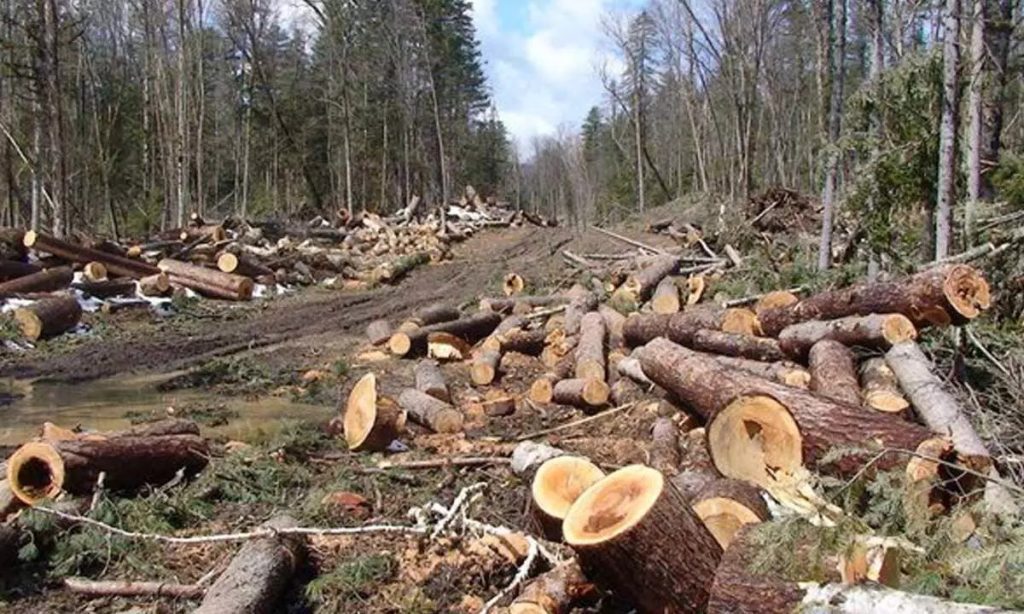
Causes of Deforestation
Several factors contribute to deforestation in Pakistan. One of the primary causes is the expansion of agricultural land. As the population grows, there is an increasing demand for food, leading to the conversion of forests into farmland. Additionally, illegal logging and timber extraction are major contributors to deforestation. The demand for wood for construction, fuel, and other purposes drives illegal logging activities, further depleting forest resources.
Urbanization and infrastructure development also play a role in deforestation. As cities expand and new roads, buildings, and other infrastructure are constructed, forests are cleared to make way for these developments. This not only reduces forest cover but also disrupts the natural habitat of various wildlife species.
Environmental Impact
The loss of forests in Pakistan has severe environmental consequences. Forests play a crucial role in maintaining the ecological balance by regulating the water cycle, preventing soil erosion, and providing habitat for numerous plant and animal species. Deforestation disrupts these functions, leading to soil degradation, reduced water quality, and loss of biodiversity.
Moreover, deforestation contributes to climate change. Trees absorb carbon dioxide, a greenhouse gas, and store it as carbon. When forests are cleared, this stored carbon is released back into the atmosphere, contributing to global warming. The loss of forest cover also reduces the planet’s capacity to absorb carbon dioxide, exacerbating the effects of climate change.
Socioeconomic Impact
Deforestation in Pakistan also has significant socioeconomic implications. Many communities, especially those in rural areas, depend on forests for their livelihoods. Forests provide resources such as food, fuel, and medicinal plants. The loss of these resources can lead to economic hardship and reduced quality of life for these communities.
Additionally, deforestation can lead to increased vulnerability to natural disasters. Forests act as natural barriers, protecting against floods, landslides, and other disasters. Without these protective barriers, communities are more exposed to the impacts of such events, leading to loss of life and property.
Conservation Efforts
Recognizing the importance of forests, various conservation efforts are being undertaken in Pakistan. The government, along with non-governmental organizations and local communities, is working to protect and restore forest cover. Initiatives such as tree planting campaigns, afforestation projects, and sustainable forest management practices are being implemented to combat deforestation.
One notable initiative is the “Billion Tree Tsunami” project, launched in the Khyber Pakhtunkhwa province. This ambitious project aims to plant one billion trees to restore degraded forests and improve the environment. Such efforts are crucial in reversing the trend of deforestation and ensuring a sustainable future for Pakistan’s forests.
In conclusion, deforestation is a pressing environmental issue in Pakistan, with significant impacts on the environment and society. The loss of forest cover threatens biodiversity, contributes to climate change, and affects the livelihoods of communities. However, with concerted efforts and sustainable practices, it is possible to combat deforestation and protect the country’s valuable forest resources. By raising awareness and supporting conservation initiatives, we can work towards a greener and more sustainable future for Pakistan.
Source: To ensure the accuracy and authenticity of the information provided, the following sources were referenced:
- Pakistan’s Deforestation Rate and Statistics – Global Forest Watch
- The green emergency: deforestation in Pakistan – World Bank
- Deforestation in Pakistan – Pakistan Today

