

Excerpt: This post answers the questions “What is the old name of Indus River? What is the ancient name of Indus River?”
The river that has been the lifeline of civilizations, the source of nourishment for countless communities, and the backbone of ancient trade routes, has a rich and captivating history. This river has witnessed the rise and fall of empires, the spread of cultures, and the evolution of societies. It is not just a body of water; it is a symbol of life, prosperity, and continuity. The river’s story is intertwined with the history of the region it flows through, and its name has evolved over the centuries, reflecting the changes in language, culture, and power dynamics.
What is the Old Name of Indus River?
The Indus River, one of the longest rivers in the world, has been known by many names throughout history. The most common old name for this majestic river is the Sindhu River. The name “Sindhu” is derived from the ancient Sanskrit language, in which it means a large body of water. The river was so central to the lives of the people in the region that its name became synonymous with the idea of water and rivers in general.
The Sindhu River was first mentioned in the Rigveda, an ancient Indian collection of Vedic Sanskrit hymns. The Rigveda dates back to around 1500 BCE, making it one of the oldest texts in human history. The Sindhu River was described as a mighty and fertile river, nourishing the lands and supporting the people who lived along its banks.
The name “Sindhu” was not only used by the inhabitants of the Indian subcontinent but also by other ancient civilizations. The Persians, for example, called the river “Hindu,” which later evolved into “Indus” as it was passed down through different languages and cultures. The Greeks, when they invaded the region under the leadership of Alexander the Great, adopted the name “Indus” from the Persians. Thus, the ancient name “Sindhu” gradually transformed into the name we use today – the Indus River.
In Chinese historical texts, the Indus River was referred to as “Shendu.” The Chinese travelers and historians who visited the region documented their observations and experiences, including their interactions with the river. The name “Shendu” reflects the phonetic adaptation of “Sindhu” into the Chinese language, highlighting the river’s significance even in distant lands.
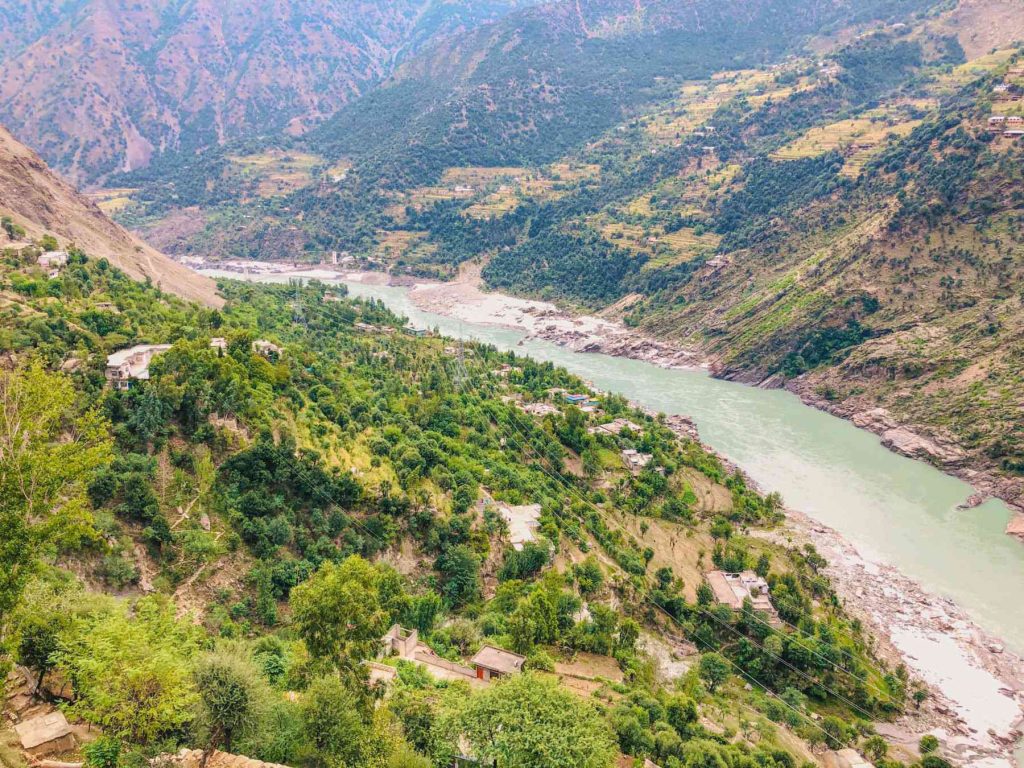
Historical Significance of the Sindhu River
The Sindhu River has played a crucial role in the development of ancient civilizations in the Indian subcontinent. The Indus Valley Civilization, one of the world’s earliest urban cultures, flourished along the banks of the Sindhu River around 3300 BCE to 1300 BCE. This civilization, also known as the Harappan Civilization, is renowned for its advanced urban planning, impressive architecture, and sophisticated drainage systems.
The Sindhu River provided a reliable source of water for agriculture, enabling the Harappans to cultivate crops and sustain their communities. The river also facilitated trade and communication with other ancient civilizations, such as Mesopotamia and Egypt, through its extensive network of tributaries and trade routes.
The name “Sindhu” became a symbol of the region’s identity and heritage. The people who lived along the river’s banks were known as “Sindhis,” and their language and culture were deeply influenced by the river. The Sindhu River was not just a geographical feature; it was a vital part of the people’s lives, shaping their customs, traditions, and beliefs.
Cultural and Religious Significance
The Sindhu River holds immense cultural and religious significance in the Indian subcontinent. In Hinduism, the river is considered sacred and is associated with various deities and legends. The Sindhu River is often mentioned in ancient Hindu scriptures, such as the Vedas, the Mahabharata, and the Ramayana, where it is revered as a source of purity and life.
The river is also an important site for religious rituals and ceremonies. Pilgrims travel to the banks of the Sindhu River to perform rituals, such as taking a holy dip in the river’s waters to cleanse themselves of sins and attain spiritual purification. The river’s significance is celebrated during festivals like Sindhu Darshan, which is held annually in the region of Ladakh to honor the river and its contributions to the people’s lives.
The old name of the Indus River, Sindhu, is a testament to the river’s enduring legacy and its profound impact on the history, culture, and spirituality of the region. The river has been a source of life and inspiration for countless generations, shaping the development of civilizations and the evolution of societies. Its ancient name, “Sindhu,” continues to evoke a sense of reverence and respect, reminding us of the river’s timeless significance and its central role in the story of humanity.
The Sindhu River’s journey through time, from the ancient texts of the Rigveda to the present day, is a reflection of the enduring connection between nature and human civilization. As we continue to explore and appreciate the rich history of the Sindhu River, we are reminded of the profound impact that natural landmarks can have on the development of societies and cultures, and the ways in which they shape our collective identity.
Source: To ensure the accuracy and authenticity of the information provided, the following sources were referenced:
- River Indus – Wikipedia

