Excerpt: This post answers the questions “What does Chenab mean? What is the meaning Chenab? What is the old name of Chenab? What is the Rig Vedic name of Chenab? What is the other name of Chenab?”
Rivers have always been vital lifelines for civilizations, providing water for agriculture, transportation, and sustenance. Their significance is not just limited to their physical presence, but they also hold cultural and historical importance. One such river is the Chenab River, which flows through the northern regions of India and Pakistan. In this blog post, we will explore the meaning of the Chenab River’s name and delve into its historical and cultural significance.
What does Chenab mean?
The name “Chenab” has an enchanting meaning rooted in the local languages and culture. The word “Chenab” is derived from the combination of two Persian words: “Chan” and “Aab.” In Persian, “Chan” means “Moon,” and “Aab” means “River.” Therefore, the name “Chenab” translates to “Moon River.” This poetic name reflects the beauty and significance of the river in the region. The moon is often associated with tranquility, beauty, and calmness, which aptly describes the serene flow of the Chenab River.
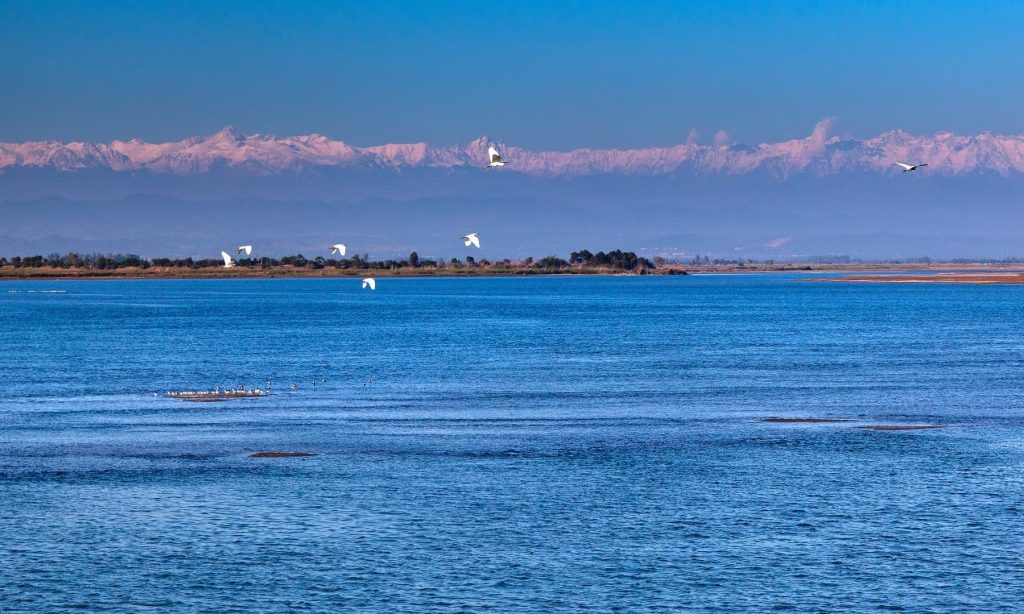
What is the old name of Chenab River?
The Chenab River has been known by several names throughout history, with one of the oldest names being “Asikni.” This ancient name is mentioned in the Rig Veda, one of the oldest and most revered texts in Hinduism. The name “Asikni” means “dark-colored waters” in Sanskrit. The Rig Veda mentions Asikni as one of the forty rivers, highlighting its importance in the Vedic period. The dark-colored waters of the river are believed to be a reference to the sediment and minerals carried by the river from the Himalayan region.
What is the other name of Chenab River?
Another name for the Chenab River is “Chandra Bhaga.” This name is derived from the river’s geographical origins and is also mentioned in ancient texts. The name “Chandra Bhaga” is a combination of two words: “Chandra” and “Bhaga.” The river is formed by the convergence of two streams, the Chandra and the Bhaga. These streams originate from the south-west and north-west faces of the Barelacha Pass, respectively, in the Himalayan canton of Lahul and Spiti valley in Himachal Pradesh. The name “Chandra Bhaga” signifies the union of these two streams, which come together to form the majestic Chenab River.
Significance of the Chenab River
The Chenab River holds great significance for the regions it flows through, both in India and Pakistan. It supports agriculture, industry, and daily life for millions of people along its banks. The river’s waters are used for irrigation, providing essential resources for cultivating crops such as wheat, rice, sugarcane, and cotton. Additionally, the Chenab River is a source of hydroelectric power, with several dams and power projects constructed along its course.
Historical and Cultural Importance
The Chenab River has been an integral part of the region’s history and culture for centuries. It has been mentioned in ancient texts and scriptures, highlighting its significance in the spiritual and cultural narratives of the time. The river is also associated with several folklore and legends, adding to its cultural richness. One such famous legend is the love story of Heer and Ranjha, which has been immortalized in Punjabi literature and is closely linked to the Chenab River.
Environmental Importance
The Chenab River and its tributaries play a crucial role in maintaining the ecological balance of the region. The river provides a habitat for various species of flora and fauna, supporting biodiversity and contributing to the overall health of the ecosystem. The river’s waters also help recharge groundwater levels, ensuring a stable supply of water for the local communities.
In conclusion, the Chenab River, also known as the “Moon River,” holds a special place in the hearts and minds of the people living in its basin. Its historical names, “Asikni” and “Chandra Bhaga,” reflect the river’s rich cultural and geographical significance. The Chenab River continues to be a vital lifeline for the regions it flows through, supporting agriculture, industry, and daily life. Understanding the meaning and significance of the Chenab River helps us appreciate the rich heritage and natural resources of the regions it touches.
Source: To ensure the accuracy and authenticity of the information provided, the following sources were referenced:
- Chenab River – Wikipedia