
Excerpt: This post answers the questions “What is the old name of Beas River? What is the ancient name of River Bias? What is the other name of Beas River?”
Rivers have played an indispensable role in the development of human civilizations, serving as lifelines for communities by providing water, facilitating trade, and nurturing agriculture. They are often steeped in cultural and historical significance, with their names reflecting their rich heritage. One such river is the Beas River, which flows through the northern regions of India. In this blog post, we will explore the old names of the Beas River and understand their historical and cultural context.
What is the old name of Beas River?
The Beas River, known for its serene beauty and vital role in the region’s ecology, has been referred to by several names throughout history. The old names of the Beas River are Vipasha in Sanskrit, Hyphasis in Ancient Greek, and Bipasha in some periods of history.
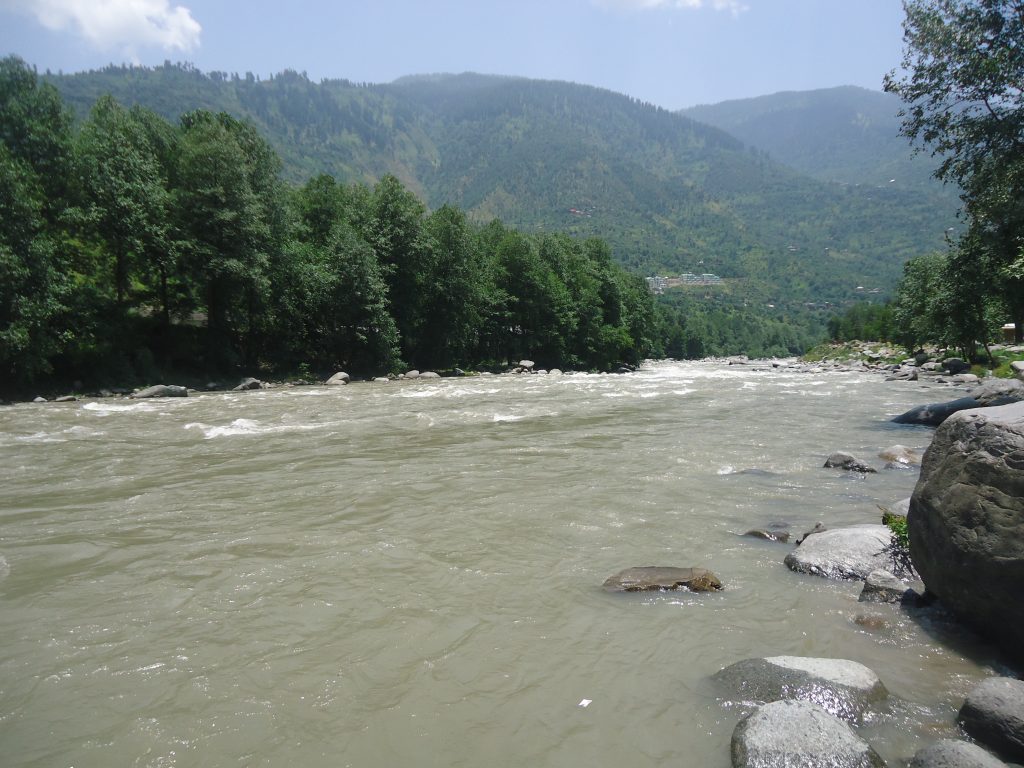
Vipasha in Sanskrit
The name “Vipasha” is derived from the ancient Sanskrit language, in which “Vi” means “without” and “Pasha” means “fetter” or “bond.” Hence, the name “Vipasha” can be interpreted as “the river without a fetter” or “the unbound river.” This name symbolizes the free-flowing nature of the river, which moves unhindered through the diverse landscapes it traverses.
Vipasha is mentioned in several ancient Indian texts, including the Rigveda, one of the oldest and most revered scriptures in Hinduism. The Rigveda refers to the river as Vipasha, highlighting its significance in the Vedic period. The river is also mentioned in other ancient scriptures and texts, underlining its importance in the cultural and spiritual narratives of the time.
Hyphasis in Ancient Greek
The Ancient Greeks, during their exploration and conquests, encountered the Beas River and referred to it as “Hyphasis.” This name is mentioned in the accounts of Greek historians and geographers, most notably in the works of Arrian, who chronicled the campaigns of Alexander the Great. In 326 BCE, Alexander’s army reached the banks of the Hyphasis during their invasion of the Indian subcontinent. However, it is believed that the weary army refused to cross the river, marking the easternmost point of Alexander’s conquests.
The name “Hyphasis” thus holds historical significance as it represents the limits of Alexander’s empire and the encounters between the Greek and Indian civilizations.
Bipasha in Historical Context
In some periods of history, the Beas River has also been referred to as “Bipasha.” This name is believed to be a variant of Vipasha, retaining the essence of the original Sanskrit name. The use of the name Bipasha in historical records highlights the continuity of the river’s significance across different eras and cultures.
The Beas River
Geographical Importance
The Beas River originates from the Beas Kund, a glacial lake located in the Himalayas near the Rohtang Pass in Himachal Pradesh, India. The river flows through the states of Himachal Pradesh and Punjab, eventually joining the Sutlej River. The Beas River spans a length of approximately 470 kilometers (292 miles) and traverses diverse landscapes, from the high-altitude regions of the Himalayas to the fertile plains of Punjab.
The river is fed by the melting snow and glaciers of the Himalayas, ensuring a steady flow of water throughout the year. This makes the Beas River a crucial source of water for irrigation, supporting the agricultural activities of the region. The river also plays a vital role in maintaining the ecological balance, providing habitats for various species of flora and fauna.
Cultural and Spiritual Significance
The Beas River holds immense cultural and spiritual significance for the people living in its vicinity. The river is considered sacred in Hinduism and is associated with several myths and legends. It is believed that the sage Vasishta meditated on the banks of the Vipasha, and the river’s name is sometimes attributed to his presence.
The river is also associated with the legendary sage Vyasa, the author of the Mahabharata. According to some accounts, the Beas River is named after Vyasa, and the name “Beas” is derived from his name. The river’s spiritual significance is reflected in the numerous temples and shrines located along its banks, where pilgrims gather to offer prayers and seek blessings.
In conclusion, the Beas River, historically known as Vipasha in Sanskrit and Hyphasis in Ancient Greek, holds a special place in the hearts and minds of the people living in its basin. The names Vipasha and Hyphasis reflect the river’s rich cultural and historical significance, spanning across ancient Indian and Greek civilizations. The river continues to be a vital lifeline for the regions it flows through, supporting agriculture, providing water, and maintaining the ecological balance. Understanding the old names and significance of the Beas River helps us appreciate the rich heritage and natural resources of the regions it touches.
Source: To ensure the accuracy and authenticity of the information provided, the following sources were referenced:
- Beas River – Wikipedia