Excerpt: This post answers the questions “How many peaks above 8000 meters are there in Pakistan? What is the number of peaks above 8000 meters in Pakistan? How many 8000m peaks are in Pakistan?”
The northern regions of Pakistan are renowned for their majestic and imposing mountain ranges that attract adventurers, mountaineers, and nature enthusiasts from all corners of the globe. These towering peaks, with their snow-capped summits and awe-inspiring landscapes, are not only a testament to the natural beauty of the region but also a challenge to those who seek to conquer them. Among these mountains are some that reach extraordinary heights, standing above 8,000 meters and forming part of the exclusive club of the world’s highest peaks. These formidable giants have long captivated the imagination of explorers and continue to be a source of fascination and admiration.
How many peaks above 8000 meters are there in Pakistan?
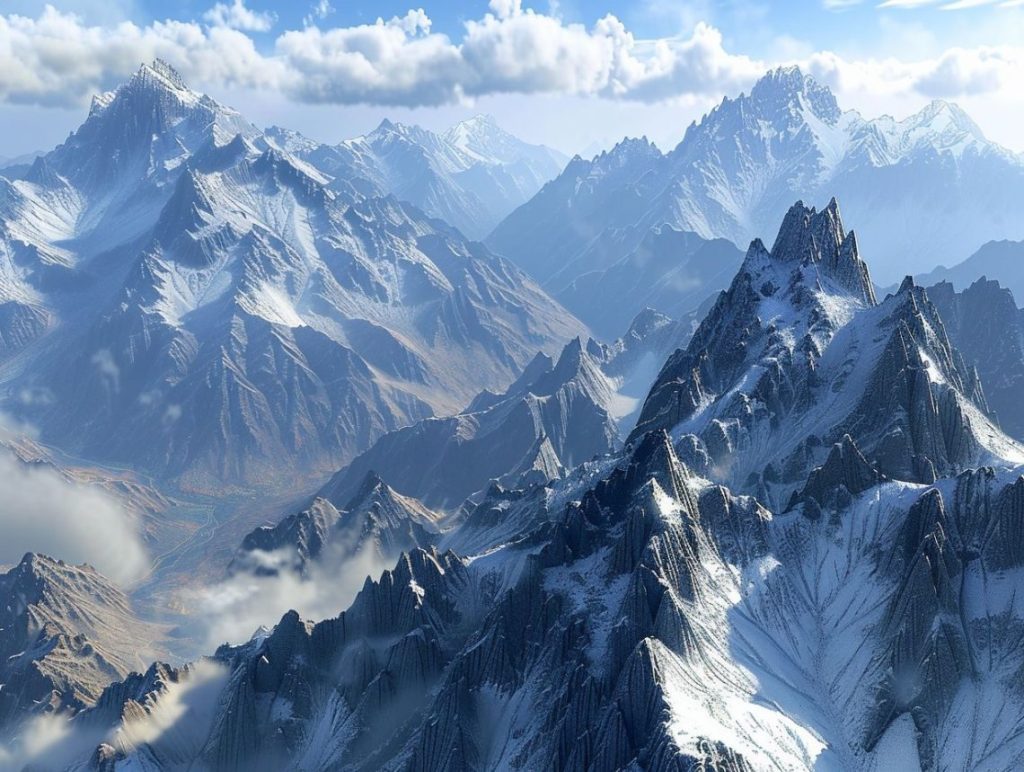
Pakistan is home to five peaks that rise above the impressive height of 8,000 meters. These peaks, all located in the Karakoram Range, are among the highest and most challenging mountains in the world. They stand as symbols of nature’s grandeur and the indomitable spirit of adventure.
- K2 (8,611 meters)
- K2, also known as Mount Godwin-Austen, is the highest peak in Pakistan and the second-highest in the world, surpassed only by Mount Everest. Standing at an elevation of 8,611 meters (28,251 feet), K2 is renowned for its extreme difficulty and treacherous conditions. Often referred to as the “Savage Mountain,” it has one of the highest fatality rates among the eight-thousanders. Despite its dangers, K2 remains a coveted destination for mountaineers seeking the ultimate challenge.
- Nanga Parbat (8,126 meters)
- Nanga Parbat, also known as the “Killer Mountain,” is the ninth-highest peak in the world and the second-highest in Pakistan. With an elevation of 8,126 meters (26,660 feet), Nanga Parbat is part of the western Himalayas and is located in the Gilgit-Baltistan region. The mountain is notorious for its treacherous conditions, including avalanches, severe weather, and difficult terrain. Climbing Nanga Parbat is a true test of endurance and skill.
- Gasherbrum I (8,080 meters)
- Gasherbrum I, also known as Hidden Peak, is the eleventh-highest mountain in the world. It stands at an elevation of 8,080 meters (26,509 feet) and is part of the Gasherbrum massif in the Karakoram Range. Gasherbrum I is known for its challenging climbing routes and remote location, making it a sought-after destination for experienced mountaineers.
- Broad Peak (8,051 meters)
- Broad Peak, with an elevation of 8,051 meters (26,414 feet), is the twelfth-highest mountain in the world. It is located in the Karakoram Range near K2. The mountain is named for its wide summit ridge, which stretches over 1.5 kilometers. Broad Peak is known for its steep and technical climbing routes, attracting climbers from around the world.
- Gasherbrum II (8,035 meters)
- Gasherbrum II, the thirteenth-highest mountain in the world, stands at an elevation of 8,035 meters (26,362 feet). It is part of the Gasherbrum massif in the Karakoram Range. Gasherbrum II is considered one of the more accessible eight-thousanders, with relatively safer climbing routes compared to other peaks in the region. Despite this, it remains a formidable challenge for climbers.
Important Mountain Peaks in Pakistan
Pakistan’s mountainous regions are home to numerous significant peaks, each with its unique characteristics, challenges, and allure. Beyond the towering eight-thousanders, several other notable peaks contribute to the country’s rich mountaineering heritage.
- Rakaposhi (7,788 meters)
- Rakaposhi is the twenty-seventh-highest peak in the world, standing at an elevation of 7,788 meters (25,551 feet). It is located in the Karakoram Range in the Gilgit-Baltistan region. Rakaposhi is known for its stunning beauty and steep slopes, making it a popular destination for climbers and trekkers.
- Tirich Mir (7,708 meters)
- Tirich Mir is the highest peak in the Hindu Kush Range, with an elevation of 7,708 meters (25,289 feet). It is located in the Chitral District of Khyber Pakhtunkhwa. Tirich Mir is a prominent and challenging peak, attracting mountaineers with its rugged terrain and breathtaking views.
- Masherbrum (7,821 meters)
- Masherbrum, also known as K1, is part of the Karakoram Range and stands at an elevation of 7,821 meters (25,659 feet). It is known for its distinct pyramid shape and technical climbing routes. Masherbrum is a significant peak in Pakistan’s mountaineering landscape.
- Spantik (7,027 meters)
- Spantik, also known as Golden Peak, is located in the Karakoram Range and stands at an elevation of 7,027 meters (23,054 feet). It is known for its golden-hued summit and relatively easier climbing routes, making it a popular choice for climbers seeking to summit a high-altitude peak.
- Batura Sar (7,795 meters)
- Batura Sar is the twenty-fifth-highest peak in the world, standing at an elevation of 7,795 meters (25,574 feet). It is part of the Batura Muztagh subrange of the Karakoram. Batura Sar is known for its remote location and challenging climbing routes.
Pakistan’s mountainous regions, with their towering peaks and awe-inspiring landscapes, are a testament to the country’s natural beauty and mountaineering heritage. The five peaks above 8,000 meters, including the formidable K2 and Nanga Parbat, stand as symbols of challenge and adventure. Alongside these giants, other significant peaks contribute to the rich tapestry of Pakistan’s mountainous terrain, attracting adventurers and nature enthusiasts from around the world. Whether you seek the thrill of conquering an eight-thousander or the serenity of trekking through breathtaking landscapes, Pakistan’s mountains offer an unparalleled experience that will leave you in awe.
Sources: To ensure the accuracy and authenticity of the information provided, the following sources were referenced:
- Eight Thousand Meters Peaks in Pakistan – Summit Post
- List of Mountains in Pakistan – Wikipedia
- The High Peaks of Pakistan – National Geographic.
- Mountaineering in the Karakoram and Himalayas – Alpine Club of Pakistan.
- The World’s Highest Mountains – Encyclopedia Britannica.
- The Karakoram Range – Lonely Planet.