Excerpt: This post answers the questions “How many of the tallest mountains in the world are located in Pakistan? How many of the world tallest mountains above 8000 meters are located in Pakistan? How many tallest mountains are there in Pakistan?”
In the vast and diverse landscape of the world, certain places stand out for their extraordinary natural wonders. Among these awe-inspiring locations are the towering mountains that scrape the sky, commanding both respect and admiration from all who behold them. These mountains, with their majestic peaks and formidable heights, are not just geological formations; they are symbols of endurance and natural beauty. Some of the tallest mountains in the world are nestled in one of the most stunning regions on the planet. Let’s delve into these colossal giants and discover how many of them are located in this remarkable part of the world.
How many of the tallest mountains in the world are located in Pakistan?
Pakistan, a country known for its diverse topography, is home to some of the world’s highest and most formidable peaks. In fact, Pakistan boasts five of the world’s fourteen peaks that soar above 8,000 meters. These towering giants are not only a testament to the Earth’s natural grandeur but also serve as a beacon for adventurers and mountaineers from around the globe.
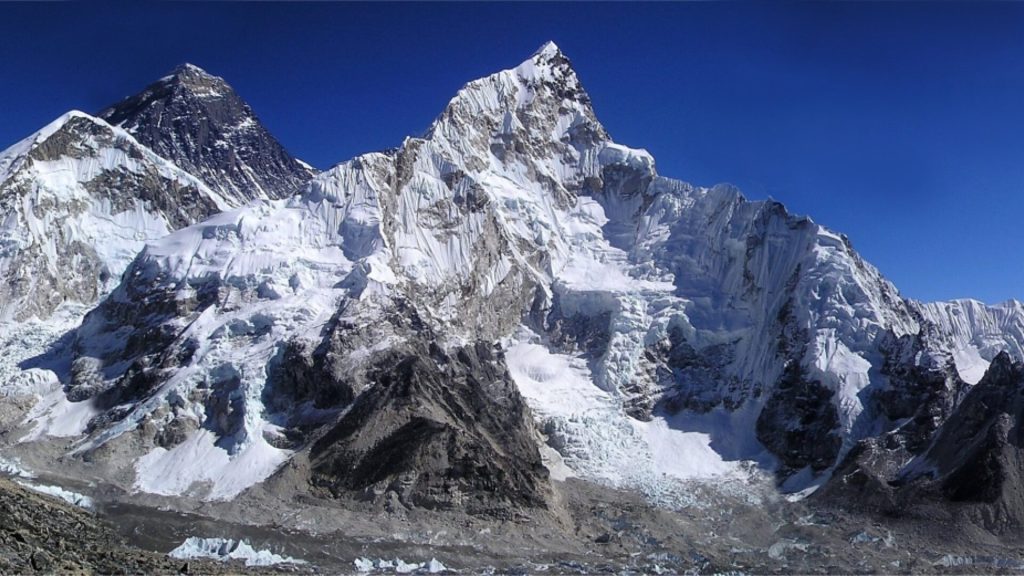
The Tallest Peaks in Pakistan
- K2 (Mount Godwin-Austen) K2, also known as Mount Godwin-Austen, stands as the crown jewel of Pakistan’s mountainous landscape. With an elevation of 8,611 meters (28,251 feet), it is the second-highest mountain in the world, only surpassed by Mount Everest. Situated in the Karakoram Range, K2 is renowned for its steep and challenging ascent, making it a coveted destination for experienced climbers. The peak’s nickname, the “Savage Mountain,” reflects the extreme difficulty and danger associated with its climb.
- Nanga Parbat Nanga Parbat, the “Killer Mountain,” is another prominent peak in Pakistan. Towering at 8,126 meters (26,660 feet), it is the ninth-highest mountain in the world. Located in the Gilgit-Baltistan region, Nanga Parbat’s south face, known as the Rupal Face, is the highest mountain face in the world. The mountain’s formidable reputation and breathtaking beauty make it a significant landmark in Pakistan’s landscape.
- Gasherbrum I (Hidden Peak) Gasherbrum I, also known as Hidden Peak, is the eleventh-highest mountain in the world, standing at 8,080 meters (26,509 feet). It is part of the Gasherbrum massif in the Karakoram Range. The name “Gasherbrum” means “Shining Wall” in Balti, reflecting the peak’s radiant appearance. Despite its relative obscurity compared to K2, Gasherbrum I attracts mountaineers seeking to conquer its challenging slopes.
- Broad Peak Broad Peak, with an elevation of 8,051 meters (26,414 feet), is the twelfth-highest mountain globally. Located in close proximity to K2, within the Karakoram Range, Broad Peak derives its name from its extensive summit, which stretches over 1.5 kilometers (0.93 miles). The mountain’s broad, snow-covered ridge makes it a distinctive and captivating sight.
- Gasherbrum II Gasherbrum II, the thirteenth-highest mountain in the world, reaches an elevation of 8,035 meters (26,362 feet). Also part of the Gasherbrum massif, it is often referred to as K4. Gasherbrum II is known for its relatively easier climb compared to its neighboring peaks, attracting both seasoned and aspiring mountaineers.
Remarkable Peaks in Pakistan
Let’s take a closer look at these towering giants that adorn Pakistan’s skyline.
K2: The Savage Mountain
K2, the king of the Karakoram Range, commands respect with its imposing height and treacherous terrain. Unlike Mount Everest, K2 lacks the extensive commercial climbing infrastructure, making it a more challenging and dangerous endeavor. Climbers must navigate technical sections, unpredictable weather, and the risk of avalanches. Despite these challenges, K2’s allure remains irresistible, drawing elite climbers who seek to conquer one of the most formidable peaks on Earth.
Nanga Parbat: The Killer Mountain
Nanga Parbat, the western anchor of the Himalayas, is infamous for its deadly history. The mountain’s isolation and harsh conditions have earned it the moniker “Killer Mountain.” Climbers face extreme cold, steep faces, and the constant threat of avalanches. However, those who summit Nanga Parbat are rewarded with unparalleled views of the surrounding valleys and the sense of having conquered one of the world’s most challenging peaks.
Gasherbrum I: The Hidden Peak
Gasherbrum I, often overshadowed by its more famous neighbors, offers a unique climbing experience. Its name, “Hidden Peak,” reflects its less prominent visibility from afar. Climbers who venture to Gasherbrum I encounter a mix of rock, ice, and snow, requiring diverse mountaineering skills. The peak’s relative obscurity adds an element of solitude and exploration for those seeking a less crowded ascent.
Broad Peak: The Broad Summit
Broad Peak’s name is derived from its expansive summit plateau, which provides climbers with a vast, snow-covered ridge to traverse. The mountain’s broad summit offers breathtaking panoramic views of the Karakoram Range. Climbers often marvel at the sheer scale of the surrounding peaks, creating a sense of awe and accomplishment upon reaching the top.
Gasherbrum II: The Shining Wall
Gasherbrum II, the “Shining Wall,” is known for its relatively straightforward climb compared to its neighboring peaks. The mountain’s radiant appearance and accessible route make it a popular choice for climbers seeking to summit an 8,000-meter peak. Gasherbrum II’s allure lies in its blend of challenge and attainability, attracting both seasoned mountaineers and those embarking on their first high-altitude expedition.
Pakistan’s towering peaks are not just geographical landmarks; they are symbols of the Earth’s raw and untamed beauty. These mountains, with their breathtaking heights and challenging ascents, continue to inspire and captivate adventurers from around the world. Whether it’s the formidable K2, the infamous Nanga Parbat, or the radiant Gasherbrum peaks, Pakistan’s tallest mountains stand as a testament to the incredible natural wonders that grace our planet. For those who seek the thrill of high-altitude climbing and the awe of witnessing nature’s grandeur, Pakistan’s peaks offer an unparalleled experience that leaves an indelible mark on the soul.
Sources: To ensure the accuracy and authenticity of the information provided, the following sources were referenced:
- K2: The Savage Mountain – National Geographic
- Nanga Parbat: The Killer Mountain – BBC Travel
- Gasherbrum I: Hidden Peak – American Alpine Journal
- Broad Peak: The Broad Summit – Climbing Magazine
- Gasherbrum II: The Shining Wall – Himalayan Journal