

Excerpt: This post answers the questions “Who was the first prime minister of Pakistan? What is the name of the first prime minister of Pakistan? Who was the first prime minister of Pakistan?”
The history of Pakistan is replete with pivotal moments and influential figures who have shaped the country’s journey since its inception. Among these milestones is the appointment of Pakistan’s first Prime Minister, a significant event that marked the beginning of the country’s political governance. The first Prime Minister played a crucial role in navigating the early challenges faced by the newly independent nation, setting a foundation for its future trajectory.
Who was the first Prime Minister of Pakistan?
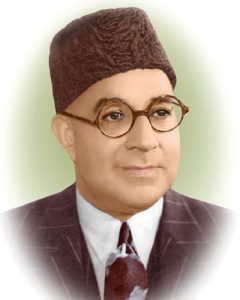
The first Prime Minister of Pakistan was Liaquat Ali Khan. His appointment came shortly after the creation of Pakistan on August 14, 1947. Born on October 1, 1895, in Karnal, India, Liaquat Ali Khan was a prominent political leader and a close associate of Muhammad Ali Jinnah. He was widely recognized for his dedication to the cause of Pakistan and his significant contributions to the country’s independence movement.
Liaquat Ali Khan was educated at Aligarh Muslim University and later at Exeter College, Oxford, where he completed his degree in law. He entered politics in the 1920s and quickly rose through the ranks of the All India Muslim League, becoming a key figure in the struggle for a separate nation for Muslims of the Indian subcontinent.
Upon Pakistan’s independence, Khan was appointed the country’s first Prime Minister. During his tenure, he faced numerous challenges, including the resettlement of refugees, establishing a functioning government, and laying the groundwork for Pakistan’s economic and social development. Despite these challenges, he made significant strides in stabilizing the new nation and promoting its growth. Liaquat Ali Khan served as Prime Minister until his assassination on October 16, 1951.
The Prime Minister of Pakistan – Role and Responsibilities
Historical Evolution of the Prime Minister’s Office
The role of the Prime Minister in Pakistan has evolved significantly since the country’s inception. As the head of the government, the Prime Minister is responsible for overseeing the executive branch and implementing policies. The Prime Minister’s office was established upon the creation of Pakistan, with Liaquat Ali Khan as its first occupant. Since then, the position has seen numerous changes and challenges, reflecting the dynamic political landscape of the country.
Over the years, Pakistan has experienced periods of civilian and military rule, each impacting the role and significance of the Prime Minister’s office. Despite these fluctuations, the position remains a cornerstone of Pakistan’s democratic framework, symbolizing the country’s commitment to parliamentary governance.
Functions and Powers of the Prime Minister
The Prime Minister of Pakistan holds significant responsibilities and powers, including:
- Executive Authority: As the head of the government, the Prime Minister exercises executive authority, overseeing the implementation of laws and policies.
- Cabinet Leadership: The Prime Minister chairs cabinet meetings and coordinates the work of various ministries, ensuring effective governance.
- Policy Making: The Prime Minister plays a crucial role in formulating and implementing national policies on various issues, including economic development, foreign relations, and domestic affairs.
- Legislative Role: The Prime Minister often introduces bills in the National Assembly and works to secure their passage, shaping the legislative agenda.
- National Representation: The Prime Minister represents Pakistan on the international stage, fostering diplomatic relations and promoting the country’s interests abroad.
Challenges and Achievements
The Prime Minister’s office in Pakistan has faced numerous challenges, ranging from political instability to economic crises. Despite these obstacles, several Prime Ministers have made notable contributions to the country’s development. For instance, Zulfiqar Ali Bhutto introduced land reforms and nationalized key industries, while Benazir Bhutto focused on social welfare programs and women’s rights. Nawaz Sharif prioritized infrastructure development, including the construction of motorways and power plants.
The office of the Prime Minister continues to be a focal point of Pakistan’s democratic process, with each occupant bringing their vision and policies to address the country’s pressing issues.
The appointment of Liaquat Ali Khan as Pakistan’s first Prime Minister was a landmark event in the country’s history. His leadership and dedication played a pivotal role in shaping the early years of the newly independent nation. Understanding the historical and contemporary aspects of the Prime Minister’s office allows us to appreciate its significance in Pakistan’s governance. As the country continues to face new challenges and opportunities, the role of the Prime Minister remains central to its progress and development.
Sources: The above answer is based on information from
- Liaquat Ali Khan – Britannica
- Prime Minister of Pakistan – Britannica
- History of Prime Ministers of Pakistan – Wikipedia
- Function and Powers of Prime Ministers – Pakistan National Assembly Official Website
- Pakistan’s Political History – Oxford University Press
- Prime Minister Office – Official Web Portal

