
Excerpt: This post answers the questions “Which is the second highest peak in Pakistan? What is the second highest peak of Pakistan? Where is the second highest peak in Pakistan?”
Pakistan, with its diverse and captivating landscapes, is home to some of the world’s most impressive mountain ranges. These towering peaks, with their snow-capped summits and rugged terrain, draw adventurers and nature enthusiasts from around the globe. Among these mighty mountains, there is one peak that stands as the second highest in the country. This peak, known for its treacherous climbing conditions and awe-inspiring beauty, has a special place in the hearts of mountaineers and explorers.
Which is the second highest peak in Pakistan?
The second highest peak in Pakistan is Nanga Parbat. Known as the “Killer Mountain” due to its challenging and perilous ascent, Nanga Parbat reaches an elevation of 8,126 meters (26,660 feet). It is the ninth highest mountain in the world and is part of the western Himalayas, located in the Gilgit-Baltistan region of Pakistan.
Nanga Parbat has earned its fearsome nickname because of the numerous fatalities that have occurred during climbing attempts. The mountain’s steep slopes, unpredictable weather, and frequent avalanches make it one of the most difficult and dangerous peaks to climb. Despite these risks, Nanga Parbat continues to attract mountaineers from around the world, all eager to conquer its summit and achieve a remarkable feat in the mountaineering community.
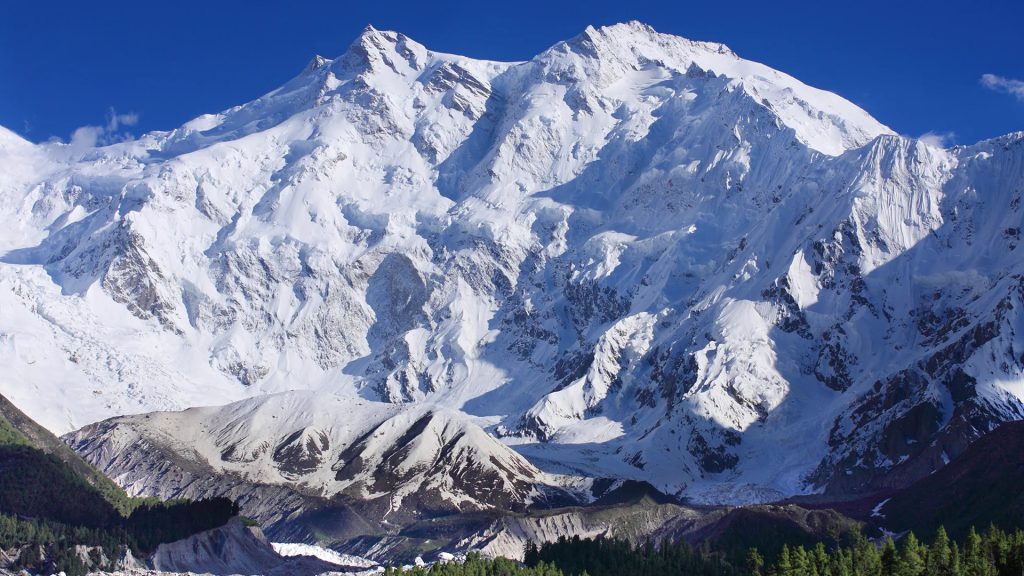
Nanga Parbat Pakistan
Nanga Parbat is not only a formidable peak but also a significant geographical and cultural landmark in Pakistan. Here, we will explore the various aspects of Nanga Parbat, including its geographical features, climbing history, and cultural significance.
- Geographical Features
- Location and Elevation: Nanga Parbat is situated in the Diamer District of the Gilgit-Baltistan region. It is the western anchor of the Himalayas and is separated from the Karakoram Range by the Indus River. With an elevation of 8,126 meters, Nanga Parbat is the highest peak in the western Himalayas.
- Topography: The mountain has a distinct and striking appearance, with a massive, ice-clad summit and steep slopes. The Rupal Face, on the southern side of Nanga Parbat, is one of the highest mountain faces in the world, rising approximately 4,600 meters (15,090 feet) from base to summit.
- Climate: The weather conditions on Nanga Parbat are notoriously harsh and unpredictable. Climbers face extreme cold, strong winds, and frequent snowstorms, making the ascent even more challenging.
- Climbing History
- Early Attempts: The first serious attempt to climb Nanga Parbat was made by British mountaineer Albert F. Mummery in 1895. Unfortunately, Mummery and his two Gurkha companions perished during the expedition. Several subsequent attempts in the early 20th century also ended in tragedy.
- First Ascent: The first successful ascent of Nanga Parbat was achieved by Austrian climber Hermann Buhl on July 3, 1953. Buhl’s solo ascent without supplemental oxygen remains one of the most remarkable achievements in mountaineering history.
- Notable Expeditions: Over the years, Nanga Parbat has witnessed numerous notable expeditions, including winter ascents and new route explorations. Despite its dangers, climbers continue to be drawn to the mountain’s challenging terrain and breathtaking beauty.
- Cultural Significance
- Local Communities: Nanga Parbat holds cultural and spiritual significance for the local communities living in its vicinity. The mountain is a symbol of natural beauty and resilience for the people of Gilgit-Baltistan.
- Legends and Folklore: The mountain is steeped in local legends and folklore. According to one legend, Nanga Parbat is the abode of a fairy queen who protects the mountain and its surroundings.
- Tourism: Nanga Parbat is a popular destination for trekkers and adventure enthusiasts. The scenic Rupal and Diamer valleys offer trekking routes that provide stunning views of the mountain and its surroundings. The base camps of Nanga Parbat are accessible through various trekking routes, attracting tourists from around the world.
Nanga Parbat, the second highest peak in Pakistan, stands as a testament to the awe-inspiring beauty and formidable challenges of the country’s mountainous landscape. With its towering summit, steep slopes, and rich cultural heritage, Nanga Parbat continues to captivate the hearts of climbers and nature enthusiasts alike. The mountain’s treacherous conditions and remarkable history make it a symbol of adventure and resilience. Whether you are an avid mountaineer seeking the thrill of conquest or a traveler drawn to the beauty of nature, Nanga Parbat offers an unforgettable experience that will leave you in awe.
Sources: To ensure the accuracy and authenticity of the information provided, the following sources were referenced:
- Nanbga Parbat – Wikipedia
- Nanga Parbat – The Killer Mountain – National Geographic.
- Nanga Parbat National Park – Forest, Wild Life and Environment Department, Government of Gilgit Baltistant
- Nanga Parbat | Himalayas, Karakoram – Encyclopedia Britannica.
- Trekking and Tourism in Gilgit-Baltistan – Lonely Planet.

