Excerpt: This post answers the questions “Which is the longest mountain range in Pakistan? What is the longest mountain range in Pakistan? Which mountain range is the largest in Pakistan?”
Nestled in the northern regions of Pakistan, an extensive and awe-inspiring mountain range stands as a testament to the country’s natural beauty and geographical diversity. This range, which stretches across international borders and is home to some of the highest peaks in the world, is a beacon for adventurers and nature lovers alike. With its rugged terrain, formidable glaciers, and dramatic landscapes, this mountain range has left an indelible mark on the cultural and ecological fabric of the region.
Which is the longest mountain range in Pakistan?
The longest mountain range in Pakistan is the Karakoram Range. Stretching approximately 500 kilometers (310 miles), the Karakoram Range is known for its breathtaking landscapes and towering peaks, including K2, the second-highest mountain in the world. The Karakoram Range is part of the greater Himalayan mountain system and is located in the northern regions of Pakistan, primarily in Gilgit-Baltistan.
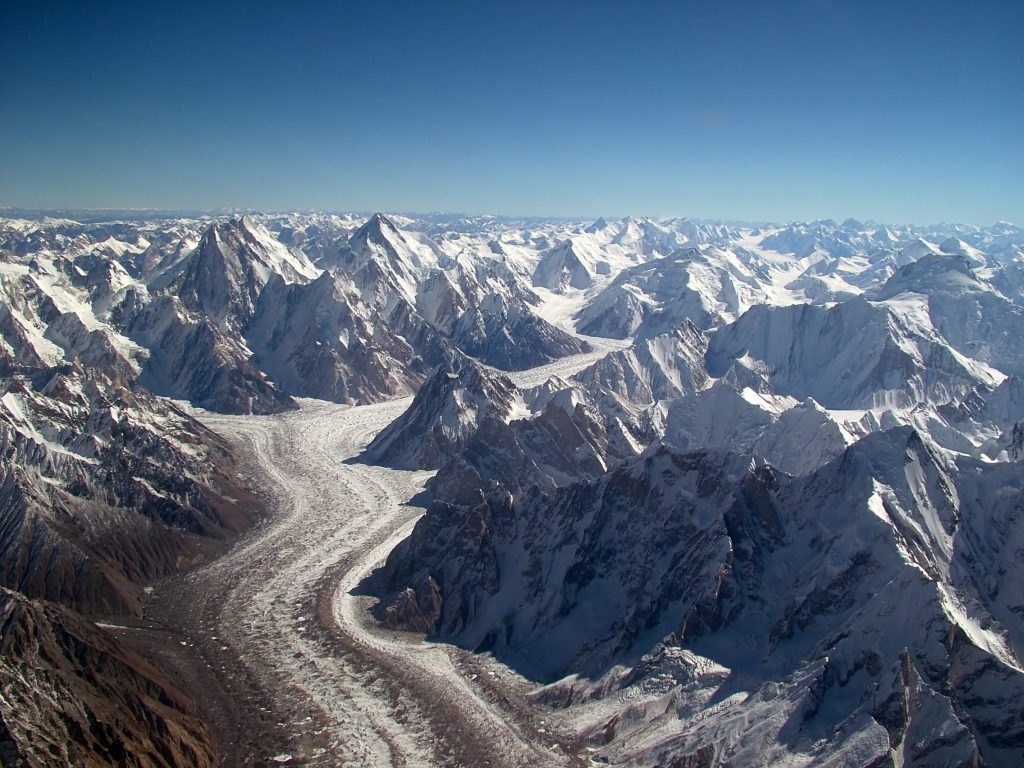
The Karakoram Range is characterized by its sharp, jagged peaks, extensive glaciers, and deep valleys. It is home to some of the world’s highest peaks, making it a significant destination for mountaineers and adventure seekers. The range’s challenging terrain and harsh weather conditions add to its mystique, making it both a formidable and captivating natural wonder.
Mountain Ranges in Pakistan
Pakistan is blessed with several prominent mountain ranges, each contributing to the country’s diverse geography and natural beauty. Here, we will explore some of the major mountain ranges in Pakistan, including their geographical significance, notable peaks, and cultural importance.
Karakoram Range
- Geographical Significance: The Karakoram Range forms a natural border between Pakistan, India, and China. It is home to some of the most extensive glaciers outside the polar regions, including the Baltoro Glacier and the Siachen Glacier. The range plays a crucial role in influencing the region’s climate and hydrology.
- Notable Peaks: In addition to K2, the Karakoram Range boasts several other towering peaks, including Gasherbrum I (8,080 meters), Broad Peak (8,051 meters), and Gasherbrum II (8,035 meters).
- Cultural Importance: The Karakoram Range has a rich cultural heritage, with diverse ethnic groups such as the Balti people inhabiting the region. The ancient Silk Road, a historic trade route, passes through the Karakoram, adding to its historical significance.
Himalaya Range
- Geographical Significance: The Himalaya Range extends into northern Pakistan, primarily in the regions of Gilgit-Baltistan and Khyber Pakhtunkhwa. The range acts as a natural barrier, influencing the region’s climate and supporting diverse ecosystems.
- Notable Peaks: Nanga Parbat (8,126 meters), also known as the “Killer Mountain,” is one of the highest peaks in the Himalaya Range in Pakistan. Other notable peaks include Rakaposhi (7,788 meters) and Haramosh (7,409 meters).
- Cultural Importance: The Himalaya Range is home to various ethnic groups with distinct cultures and traditions. The region’s unique landscape and cultural heritage attract tourists and adventurers from around the world.
Hindu Kush Range
- Geographical Significance: The Hindu Kush Range extends into northwestern Pakistan, primarily in the Khyber Pakhtunkhwa and Gilgit-Baltistan regions. The range is known for its rugged terrain and significant geological features.
- Notable Peaks: Tirich Mir (7,708 meters) is the highest peak in the Hindu Kush Range. Other notable peaks include Noshaq (7,492 meters) and Istor-o-Nal (7,403 meters).
- Cultural Importance: The Hindu Kush Range has a rich history and cultural significance. It has served as a corridor for various migrations and invasions throughout history, influencing the region’s cultural and historical landscape.
Sulaiman Range
- Geographical Significance: The Sulaiman Range is located in southwestern Pakistan, primarily in the Balochistan and Khyber Pakhtunkhwa provinces. The range is known for its arid climate and unique geological formations.
- Notable Peaks: Takht-i-Sulaiman (3,487 meters) is the highest peak in the Sulaiman Range. The range is characterized by its rugged terrain and dry climate.
- Cultural Importance: The Sulaiman Range has historical and cultural significance, with various tribes and communities inhabiting the region. The range is also associated with local legends and folklore.
Salt Range
- Geographical Significance: The Salt Range is located in northern Punjab, Pakistan. It is known for its unique geological features and rich mineral deposits, including extensive salt reserves.
- Notable Peaks: The highest peak in the Salt Range is Sakesar (1,527 meters). The range is characterized by its low, rugged hills and significant mineral resources.
- Cultural Importance: The Salt Range has historical and archaeological significance, with numerous ancient sites and artifacts found in the region. The Khewra Salt Mine, one of the world’s largest and oldest salt mines, is located in the Salt Range.
The Karakoram Range, as the longest mountain range in Pakistan, stands as a testament to the country’s incredible natural beauty and geographical diversity. From its towering peaks and extensive glaciers to its rich cultural heritage, the Karakoram Range offers a unique and awe-inspiring experience for adventurers and nature enthusiasts alike. The various mountain ranges in Pakistan each contribute to the country’s diverse landscape, making it a treasure trove of natural wonders waiting to be explored. Whether you are a mountaineer seeking the thrill of conquest or a traveler captivated by the beauty of nature, Pakistan’s mountains are sure to leave an indelible mark on your heart.
Sources: To ensure the accuracy and authenticity of the information provided, the following sources were referenced:
- Mountain Ranges in Pakistan – World Atlas
- Karakoram Range – Encyclopedia Britannica.
- The Mountains of Pakistan – Lonely Planet.
- Mountaineering in Pakistan – Alpine Club of Pakistan.
- The Karakoram Highway – BBC Travel.
- Mountains in Pakistan – Wikipedia