Excerpt: This post answers the questions “Which is the largest plateau in Pakistan? Which plateau is the largest plateau in Pakistan? What is the longest plateau in Pakistan?”
In the diverse and varied landscape of Pakistan, there are numerous geographical features that contribute to its natural beauty. Among these, plateaus stand out as significant landforms that cover vast areas and play an important role in the country’s ecology, economy, and culture. These elevated flatlands are often overlooked in favor of towering mountains or expansive deserts, but they hold their own unique charm and importance. One plateau, in particular, is the largest of its kind in Pakistan, dominating a substantial portion of the country’s territory with its vast expanse.
Which is the largest plateau in Pakistan?
The largest plateau in Pakistan is the Balochistan Plateau. Covering a significant portion of the southwestern region of the country, the Balochistan Plateau spans an area of approximately 347,190 square kilometers. This vast plateau encompasses much of the province of Balochistan, extending into parts of Sindh and Khyber Pakhtunkhwa.
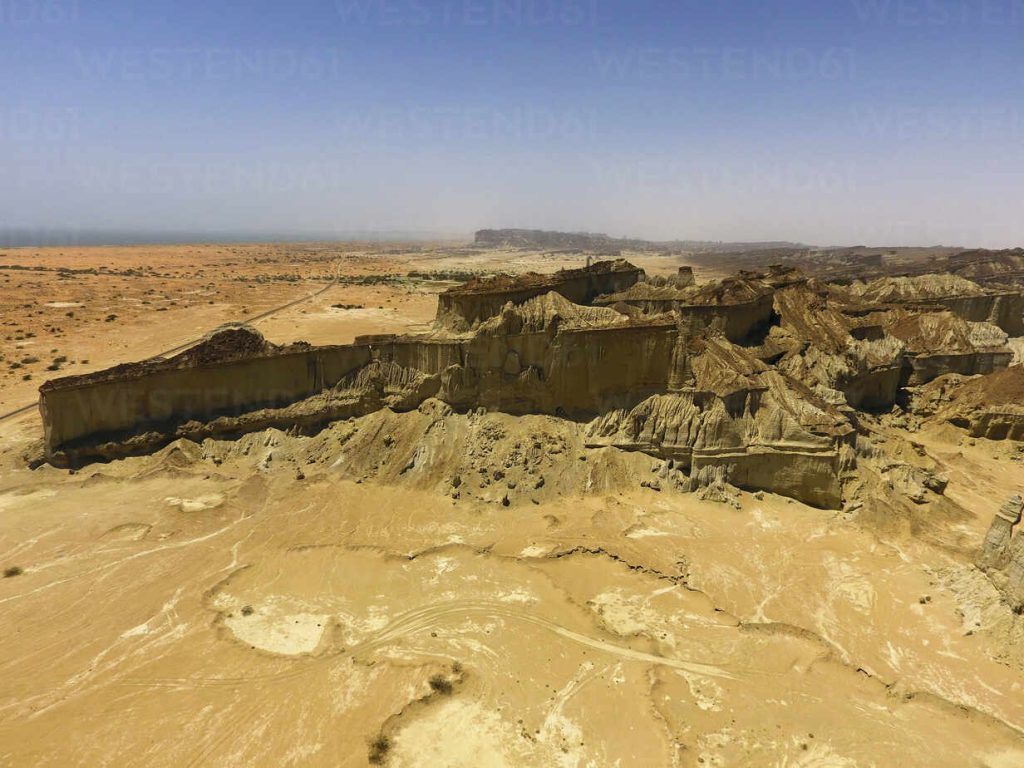
The Balochistan Plateau is characterized by its arid and rugged terrain, with numerous mountain ranges, valleys, and dry riverbeds crisscrossing the landscape. The region is known for its harsh climate, with scorching summers and cold winters. Despite these challenging conditions, the plateau is home to a diverse range of flora and fauna, as well as various human settlements that have adapted to the unique environment.
The plateau is bounded by the Sulaiman Range to the northeast, the Kirthar Range to the southeast, and the Makran Range to the southwest. The Koh-i-Sultan and Koh-i-Taftan volcanic mountains are also located within the Balochistan Plateau, adding to its geological diversity. The region’s unique topography and climate have shaped the way of life for its inhabitants, who have developed distinctive cultural and economic practices to thrive in this challenging environment.
Plateaus in Pakistan
Pakistan is home to several notable plateaus, each with its own distinct characteristics and significance. Here, we will explore some of the major plateaus in Pakistan, highlighting their geographical features, ecological importance, and cultural relevance.
- Balochistan Plateau
- Geographical Significance: The Balochistan Plateau is the largest plateau in Pakistan, covering much of the province of Balochistan. It is characterized by its arid climate, rugged terrain, and diverse topography, including mountain ranges, valleys, and dry riverbeds.
- Ecological Importance: Despite its harsh climate, the Balochistan Plateau is home to a variety of plant and animal species that have adapted to the arid conditions. The region’s unique flora and fauna contribute to its ecological significance.
- Cultural Relevance: The Balochistan Plateau is inhabited by various ethnic groups, including the Baloch and Pashtun people, who have developed unique cultural practices and traditions. The plateau’s challenging environment has shaped the way of life for its inhabitants, influencing their social, economic, and cultural activities.
- Pothohar Plateau
- Geographical Significance: The Pothohar Plateau is located in the northern region of Punjab, Pakistan. It is bounded by the Indus River to the west, the Salt Range to the south, and the Margalla Hills to the north. The plateau is characterized by its undulating terrain, with numerous hills and valleys.
- Ecological Importance: The Pothohar Plateau is known for its rich agricultural land, which supports the cultivation of various crops, including wheat, barley, and millet. The region’s fertile soil and moderate climate make it an important agricultural hub.
- Cultural Relevance: The Pothohar Plateau has a rich cultural heritage, with numerous historical and archaeological sites, including ancient forts, temples, and settlements. The region is inhabited by various ethnic groups, each with their unique cultural traditions and practices.
- Salt Range Plateau
- Geographical Significance: The Salt Range Plateau is located in northern Punjab, Pakistan. It is known for its rich mineral deposits, particularly salt, which has been mined in the region for centuries. The plateau is characterized by its low, rugged hills and extensive salt mines.
- Ecological Importance: The Salt Range Plateau is home to diverse plant and animal species, including various endangered and endemic species. The region’s unique geological features and mineral resources contribute to its ecological significance.
- Cultural Relevance: The Salt Range Plateau has historical and archaeological importance, with numerous ancient sites and artifacts found in the region. The Khewra Salt Mine, one of the world’s largest and oldest salt mines, is a significant cultural and economic landmark.
- Deosai Plateau
- Geographical Significance: The Deosai Plateau is located in the Gilgit-Baltistan region of northern Pakistan. It is one of the highest plateaus in the world, with an average elevation of over 4,000 meters (13,000 feet) above sea level. The plateau is known for its vast, treeless expanse and stunning natural beauty.
- Ecological Importance: The Deosai Plateau is a designated national park, home to a variety of plant and animal species, including the endangered Himalayan brown bear. The region’s unique ecosystem and high-altitude environment make it an important area for conservation efforts.
- Cultural Relevance: The Deosai Plateau is a popular destination for tourists and adventurers, attracting visitors with its breathtaking landscapes and diverse wildlife. The region’s natural beauty and ecological significance contribute to its cultural and economic importance.
The largest plateau in Pakistan, the Balochistan Plateau, stands as a testament to the country’s diverse and unique geographical features. This vast and rugged landform, with its arid climate and challenging terrain, is home to a rich tapestry of flora, fauna, and human cultures. Beyond the Balochistan Plateau, Pakistan’s other notable plateaus, including the Pothohar Plateau, Salt Range Plateau, and Deosai Plateau, each contribute to the nation’s ecological and cultural heritage. These elevated flatlands offer a glimpse into the country’s natural beauty and the resilience of its inhabitants. Whether you are a traveler seeking to explore new landscapes or a nature enthusiast fascinated by diverse ecosystems, Pakistan’s plateaus are sure to leave a lasting impression.
Sources: To ensure the accuracy and authenticity of the information provided, the following sources were referenced:
- Explore – The Balochistan Government Web Portal
- Balochistan, Plateau, Geography – Encyclopedia Britannica.
- Geographical Features of Pakistan – Lonely Planet.
- Ecological Significance of Plateaus in Pakistan – WWF Pakistan.
- Cultural Heritage of Pakistan’s Plateaus – National Geographic.