Excerpt: This post answers the questions “Which is the highest peak of Himalaya Range in Pakistan? Which is Himalaya Range highest peak in Pakistan? What is the name of highest peak of Himalaya Range in Pakistan?”
The Himalayas, a colossal mountain range stretching across several countries in South Asia, have long been a subject of fascination for explorers, mountaineers, and nature enthusiasts. With their towering peaks, deep valleys, and snow-clad summits, these mountains are home to some of the highest and most formidable peaks in the world. One such peak, situated in Pakistan, stands out for its sheer grandeur and challenges it poses to those who dare to climb it. This peak, reaching an astounding height, is a symbol of nature’s might and the indomitable spirit of adventure.
Which is the highest peak of Himalaya Range in Pakistan?
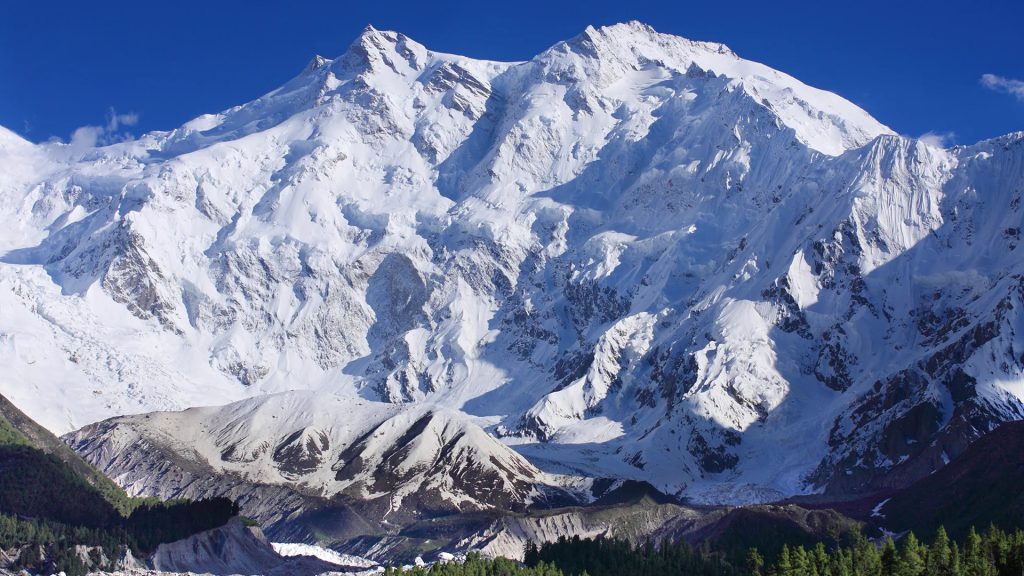
The highest peak of the Himalaya Range in Pakistan is none other than Nanga Parbat. Known as the “Killer Mountain” due to its dangerous ascent, Nanga Parbat stands at an impressive height of 8,126 meters (26,660 feet). It is the ninth highest mountain in the world and the second highest in Pakistan, after K2. Nanga Parbat is part of the Western Himalayas and is located in the Gilgit-Baltistan region.
Nanga Parbat has a notorious reputation among climbers. The mountain has claimed many lives due to its treacherous conditions, including avalanches, severe weather, and difficult terrain. Despite these challenges, it continues to attract mountaineers from around the globe, all eager to conquer its peak and etch their names into the annals of mountaineering history.
Himalaya Range in Pakistan
The Himalaya Range in Pakistan is a part of the greater Himalayas, which span across five countries: India, Nepal, Bhutan, China, and Pakistan. In Pakistan, the Himalayas are primarily located in the northern regions, including Gilgit-Baltistan and Khyber Pakhtunkhwa. This region is home to some of the most breathtaking landscapes, including lush green valleys, crystal-clear rivers, and towering mountains.
- Geographical Significance The Himalayas in Pakistan form a natural barrier, separating the Indian subcontinent from the Tibetan Plateau. They play a crucial role in influencing the climate of the region by acting as a barrier to the cold winds from Central Asia and trapping the monsoon rains from the Indian Ocean. This results in diverse climatic zones and rich biodiversity.
- Major Peaks Apart from Nanga Parbat, the Himalaya Range in Pakistan boasts several other notable peaks, including Rakaposhi (7,788 meters), Haramosh (7,409 meters), and Malubiting (7,458 meters). These peaks, though not as high as Nanga Parbat, are equally challenging and captivating.
- Cultural and Historical Importance The region around the Himalayas in Pakistan is rich in cultural heritage and history. It is home to various ethnic groups, each with their unique traditions, languages, and lifestyles. The ancient Silk Road, a historic trade route, also passes through this region, adding to its historical significance.
- Tourism and Mountaineering The breathtaking beauty of the Himalayas in Pakistan makes it a popular destination for tourists and adventure seekers. The region offers numerous trekking and mountaineering opportunities, attracting both amateur hikers and seasoned climbers. The Karakoram Highway, known as the “Eighth Wonder of the World,” is a popular route for tourists traveling to this region.
The Himalayas in Pakistan, with their majestic peaks and awe-inspiring landscapes, are a testament to the wonders of nature. Nanga Parbat, the highest peak of the Himalaya Range in Pakistan, stands as a symbol of the challenges and beauty that these mountains offer. From its geographical significance to its cultural and historical importance, the Himalaya Range in Pakistan is a treasure trove waiting to be explored. Whether you are an adventure enthusiast or simply a lover of nature, the Himalayas in Pakistan are sure to leave you spellbound.
Sources: To ensure the accuracy and authenticity of the information provided, the following sources were referenced:
- Nanga Parbat – The Killer Mountain – National Geographic.
- The Himalaya Range in Pakistan – Lonely Planet.
- Mountaineering in Pakistan – Alpine Club of Pakistan.
- The Karakoram Highway – BBC Travel.