
Excerpt: This post answers the questions “What is the old name of Quetta? What is the original name of Quetta? What is the ancient name of Quetta?”
Quetta, located in the southwestern region of Pakistan, is a city rich in history and cultural diversity. Situated at an elevation of 1,680 meters (5,510 feet) above sea level, it is the provincial capital of Balochistan. Known for its picturesque landscapes, bustling bazaars, and vibrant local culture, Quetta has been a significant hub for trade, commerce, and cultural exchange for centuries. The city has seen the rise and fall of various empires, each leaving its mark on the region. As we delve into the history of this fascinating city, we discover its ancient name, which sheds light on its historical significance.
What is the old name of Quetta?
The name Quetta is a variation of kwatkot, a Pashto word meaning “fort”. It was historically known as Shalkot. This ancient name, derived from the Pashto language, reflects the city’s origins and its early inhabitants. The name Shalkot, which means “fort of Shal,” indicates the presence of a fortified settlement in the region. Over time, the name evolved, and the city became known as Quetta. This evolution in nomenclature is a testament to the city’s dynamic history and its ability to adapt to changing times and cultures.
The Quetta: An Overview
Early History
Quetta’s history can be traced back to ancient times, with evidence of human settlement dating back thousands of years. The region has been inhabited by various tribes and ethnic groups, each contributing to its rich cultural heritage. The city’s strategic location along important trade routes made it a key center for commerce and cultural exchange. Quetta’s early history is closely linked to the development of trade networks that connected Central Asia, the Indian subcontinent, and the Persian Gulf.
The Fort of Shalkot
The name Shalkot, meaning “fort of Shal,” highlights the city’s significance as a fortified settlement. The fort served as a defensive structure to protect the inhabitants from invasions and conflicts. The presence of the fort indicates that Quetta was an important military and administrative center in ancient times. The fort’s strategic location allowed it to control the surrounding region and ensure the safety of trade caravans passing through the area.
Islamic Influence
The arrival of Islam in the Indian subcontinent brought significant changes to Quetta. The city became an important center for the spread of Islamic teachings and culture. Islamic scholars and missionaries traveled to Quetta, establishing madrasas and mosques that became centers of learning and spiritual guidance. The city’s cultural landscape was enriched by the influence of Islamic architecture, art, and literature.
British Colonial Period
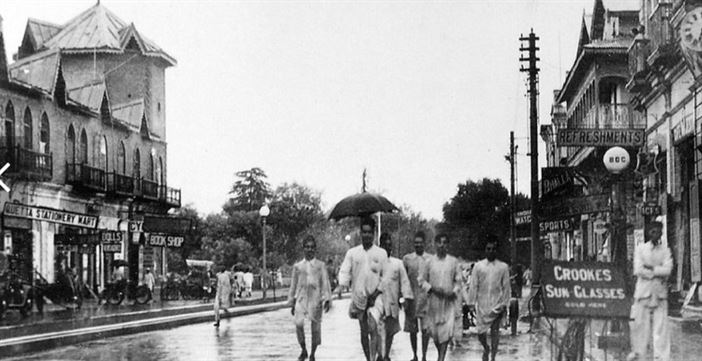
In the 19th century, Quetta came under British colonial rule as part of the British Indian Empire. The British recognized the strategic importance of Quetta and developed it as a military garrison town. The construction of the railway line connecting Quetta to other parts of the Indian subcontinent further enhanced its significance as a trade and transportation hub. During this period, Quetta underwent significant infrastructural development, including the establishment of modern educational institutions, hospitals, and administrative buildings.
The Earthquake of 1935
One of the most significant events in Quetta’s history was the devastating earthquake of 1935. The earthquake, which struck on May 31, 1935, caused widespread destruction and loss of life. It is estimated that around 30,000 to 60,000 people perished in the disaster. The earthquake led to the reconstruction and modernization of the city, with efforts to build more resilient infrastructure to withstand future natural calamities.
Post-Independence Era
Following the independence of Pakistan in 1947, Quetta became the provincial capital of Balochistan. The city continued to grow and develop, attracting people from various parts of the country. Quetta’s diverse population includes Baloch, Pashtun, Hazara, and other ethnic groups, each contributing to the city’s vibrant cultural tapestry. The city has also played a crucial role in Pakistan’s military and strategic affairs, given its proximity to the borders with Afghanistan and Iran.
Modern Quetta
Today, Quetta is a bustling city that blends modernity with tradition. It is known for its beautiful landscapes, including the famous Hanna Lake and the surrounding mountains. The city’s bazaars, such as the bustling Liaquat Bazaar, are known for their unique handicrafts, traditional garments, and delicious local cuisine. Quetta is also home to several educational institutions, including the University of Balochistan and the Sardar Bahadur Khan Women’s University, which contribute to the city’s academic and intellectual growth.
Quetta’s rich history and cultural diversity make it a unique and fascinating city. From its early days as the fortified settlement of Shalkot to its modern-day status as the provincial capital of Balochistan, Quetta has witnessed countless transformations. The city’s resilience and adaptability have allowed it to thrive despite the challenges it has faced. Today, Quetta stands as a testament to the enduring spirit of its people and the rich cultural heritage that defines it. As we explore the old name of this historic city, we gain a deeper appreciation for its journey through time and its contributions to the cultural tapestry of Pakistan.
Source: To ensure the accuracy and authenticity of the information provided, the following sources were referenced:
- Quetta – Britannica
- Quetta – Wikipedia

