Excerpt: This post answers the questions “What is the old name of Peshawar? What is the original name of Peshawar? What is the real name of Peshawar? What is the first name of Peshawar?”
Nestled in the heart of Khyber Pakhtunkhwa, a region teeming with rich history and cultural vibrance, lies a city that has stood as a testament to centuries of historical transformations. This city, known for its strategic location, has witnessed the rise and fall of numerous empires, each leaving an indelible mark on its identity and architecture. The tales of this city are not just a narrative of its past but an intricate tapestry woven with the threads of ancient civilizations, trade routes, and historical landmarks.
What is the Old Name of Peshawar?
The old name of Peshawar is Parasawara or Purusapura or Purushapura. Another very old name yet uncommon is Begram. This ancient name resonates with the echoes of history and encapsulates the essence of the city’s storied past. Purushapura, which translates to “City of Men” in Sanskrit, was a significant urban center in ancient times. The name Purushapura reflects the city’s prominence during the era of the Kushan Empire, which was one of the major ruling dynasties in the region.
A Short History of Peshawar
Ancient Beginnings
Peshawar’s history can be traced back to ancient times, with archaeological evidence suggesting that the area has been inhabited for over 2,000 years. It was under the Kushan Empire, around the 1st century AD, that Purushapura emerged as a prominent city. The Kushans, who were of Central Asian origin, established Purushapura as their winter capital. The city flourished as a center of trade, culture, and learning during this period, attracting scholars, artists, and merchants from various parts of the world.
The Gandhara Civilization
One of the most notable phases in Peshawar’s history is its association with the Gandhara civilization. Gandhara was renowned for its unique blend of Greek and Buddhist influences, resulting in the creation of Greco-Buddhist art. Purushapura, as a part of the Gandhara region, became a hub for Buddhist learning and artistic expression. The city’s strategic location on the Silk Road facilitated the exchange of ideas and goods between the East and the West, contributing to its cosmopolitan character.
Conquests and Empires
Peshawar witnessed a series of conquests and the rise of various empires, each leaving its mark on the city’s cultural and architectural landscape. The city came under the rule of the White Huns, the Hindu Shahis, and eventually the Ghaznavids. During the Ghaznavid era, Peshawar continued to thrive as a center of trade and culture.
In the 16th century, Peshawar became part of the Mughal Empire under Emperor Babur. The Mughals recognized the city’s strategic importance and developed it further, constructing grand structures and gardens. The Mughal influence is evident in the city’s architecture, with remnants of Mughal-era buildings still standing today.
The Sikh and British Periods
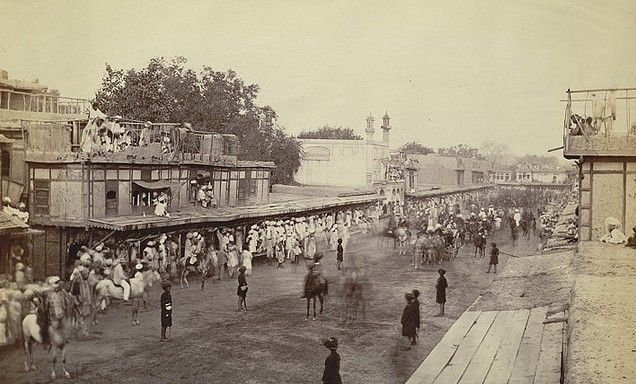
The 19th century brought significant changes to Peshawar’s political landscape. The city came under the control of the Sikh Empire in the early 1800s. The Sikhs fortified Peshawar and established it as an administrative center. However, their rule was relatively short-lived, as the British East India Company soon took control.
Under British rule, Peshawar became a crucial part of the British Indian Empire’s northwest frontier. The British developed infrastructure, including roads, railways, and administrative buildings. Peshawar’s strategic location made it a key military and administrative center during this period.
In conclusion, the journey of Peshawar from Purushapura to its present-day identity is a testament to the city’s resilience and historical significance. Each era, from the Kushan Empire to the British rule, has added a unique layer to Peshawar’s rich tapestry. The city’s ancient name, Purushapura, serves as a reminder of its glorious past and its enduring legacy. Peshawar continues to be a vibrant cultural and historical center, reflecting the diverse influences that have shaped its identity over the centuries.
Source: To ensure the accuracy and authenticity of the information provided, the following sources were referenced:
- Peshawar | Pakistan, Population, History, Map, & Location – Britannica
- Peshawar – Wikipedia