Excerpt: This post answers the questions “What is the old name of Multan? What is the ancient name of Multan? What is the first name of Multan?”
Multan is an ancient city with a rich history that dates back thousands of years. Located in the southern part of Pakistan’s Punjab province, Multan has been a center of culture, commerce, and religion for centuries. It has witnessed the rise and fall of many empires, each leaving its mark on the city’s architecture, culture, and traditions. Known for its historical landmarks, bustling bazaars, and vibrant local culture, Multan has always been a significant city in the region. But what was Multan known as in ancient times?
What is the old name of Multan?
Multan, historically known as Mulasthān, holds a name that reflects its ancient heritage and religious significance. The name Mulasthān is believed to be derived from the Sanskrit words “Mula” meaning root and “Sthān” meaning place, which together can be translated to “Place of Origin” or “Root Place.” This name is closely associated with the city’s ancient Sun Temple, which was a major religious site in the region. The Sun Temple of Mulasthān was renowned for its grandeur and attracted pilgrims from far and wide. Over the centuries, the name Mulasthān evolved and eventually became known as Multan. The city was constituted a municipality in 1867, marking a new chapter in its long and storied history.
Some of the other important names given to the city from time to time are; Kashtpur, Hanspur, Bāgpur, and Sanb (or Sanābpur).
Multan: An Overview

Ancient Origins
Multan’s history dates back to ancient times, with archaeological evidence suggesting human settlement as early as the Bronze Age. The city’s strategic location along the banks of the Chenab River made it an ideal spot for early civilizations to thrive. Multan was part of the Indus Valley Civilization, one of the world’s earliest urban cultures, known for its advanced infrastructure and trade networks.
Religious Significance
In ancient India, Mulasthān was an important religious center. The city was home to several temples dedicated to Hindu deities, with the most prominent being the Sun Temple. This temple, dedicated to the worship of the Sun God, was a significant pilgrimage site mentioned in ancient texts, including the Mahabharata and the accounts of Chinese travelers like Xuanzang. The city’s religious significance continued to grow over the centuries, making it a spiritual hub in the region.
Islamic Influence
The arrival of Islam in the Indian subcontinent brought significant changes to Multan. In the 8th century, the city was conquered by Muhammad bin Qasim, a general of the Umayyad Caliphate. Under Islamic rule, Multan became a center of learning and culture, with numerous mosques and madrasas being established. The city played a crucial role in the spread of Islam in the region, earning it the title “City of Saints.” Many Sufi saints settled in Multan, and their shrines continue to be a major attraction for visitors.
Medieval Era
During the medieval period, Multan was ruled by various dynasties, including the Ghaznavids, Ghurids, and the Delhi Sultanate. The city’s strategic importance made it a coveted prize for many rulers. Multan’s fortifications were strengthened, and new architectural marvels, such as the tombs of Sufi saints, were constructed. The city’s prosperity continued to grow, attracting traders and artisans from different parts of the world. The bustling bazaars of Multan became known for their handicrafts, textiles, and pottery.
Mughal Era
The Mughal Empire’s arrival in the 16th century marked another golden age for Multan. The Mughals recognized the city’s potential and invested in its development. They built grand structures, including gardens, palaces, and caravanserais. Multan became a thriving trade center, connecting the Indian subcontinent with Central Asia and beyond. The city’s architectural heritage from the Mughal era includes stunning examples of Mughal art and architecture, which continue to attract tourists.
British Colonial Period
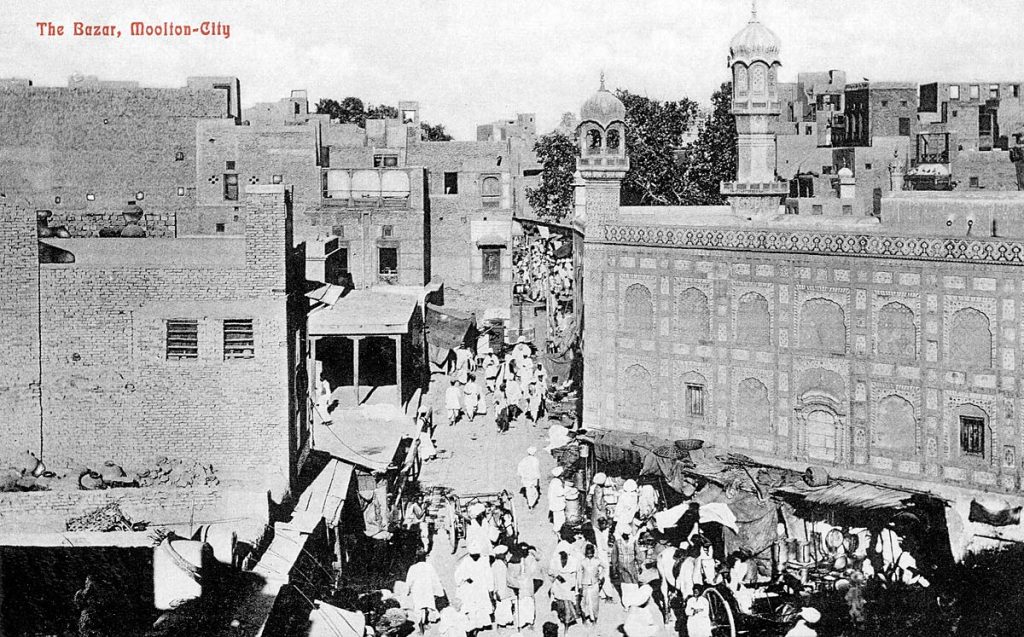
The British East India Company’s expansion into the Indian subcontinent brought Multan under colonial rule in the 19th century. The city experienced significant infrastructural development, including the construction of roads, railways, and modern educational institutions. However, the colonial period also saw the decline of traditional industries and crafts. Despite these changes, Multan remained an important cultural and economic center in the region.
Today, Multan stands as a testament to its rich and diverse history. The city’s historical sites, such as the Multan Fort, the mausoleum of Shah Rukn-e-Alam, and the ancient temples, continue to attract tourists and history enthusiasts from around the world. Despite the passage of time, Multan has managed to preserve its unique cultural heritage, blending the old with the new. As we explore the ancient name of this historical city, we gain a deeper appreciation for its enduring legacy and the contributions it has made to the cultural tapestry of South Asia.
Source: To ensure the accuracy and authenticity of the information provided, the following sources were referenced:
- Multan – Britannica
- Multan – Wikipedia