Excerpt: This post answers the questions “What is the old name of Nasir Bagh Lahore? What was Nasir Bagh Lahore called before? What is the first name of Nasir Bagh Lahore?”
Nestled in the heart of Lahore, this historical garden has been a witness to countless events and transformations over the years. It is a place where history, culture, and nature converge, offering a serene escape from the bustling city life. The garden is surrounded by some of Lahore’s most iconic landmarks, making it a central and appealing spot for both locals and tourists. Over the years, this garden has undergone several name changes, each reflecting a different era in its storied past. Today, it stands as a testament to the city’s rich heritage and vibrant culture.
What is the old name of Nasir Bagh Lahore?
Nasir Bagh, as it is known today, was historically referred to as Gole Bagh. This name, which translates to “Round Garden,” was used during the post-partition era. Before being named Gole Bagh, the garden was known as the Band Stand Garden during the British Raj. This name was derived from the military band performances that were held in the garden. The garden was later renamed Nasir Bagh in honor of Jamal Abdul Nasir, the second president of Egypt. Each name change reflects a different chapter in the garden’s history, showcasing its evolution over time.
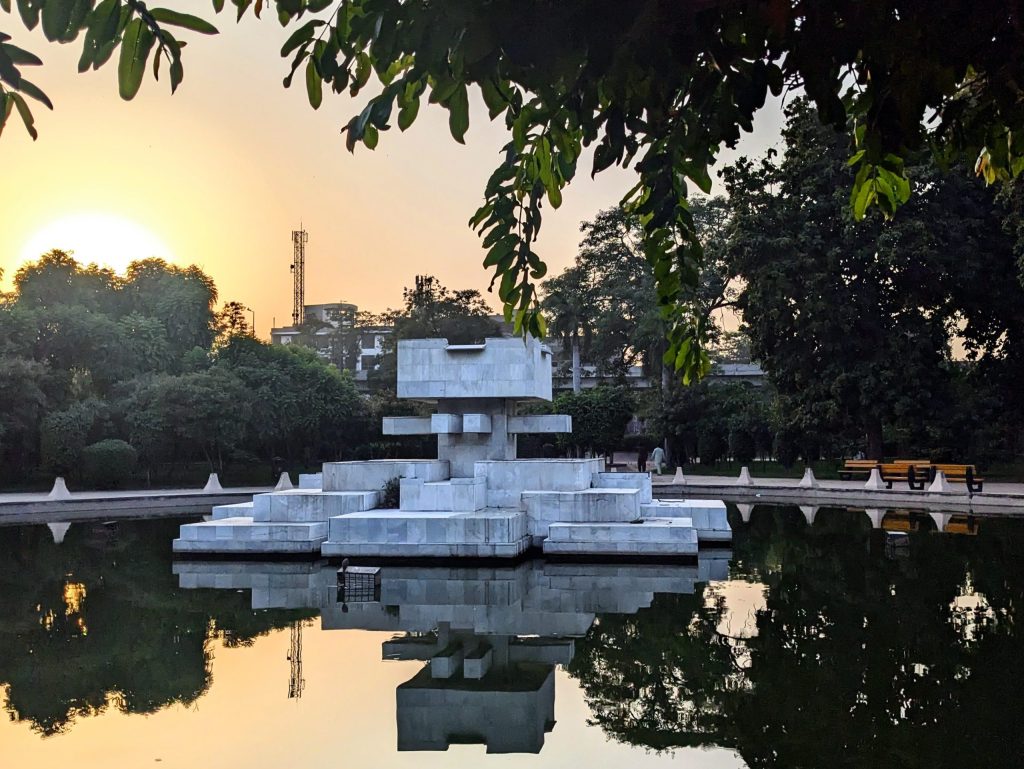
Nasir Bagh Lahore
Early Beginnings
The origins of Nasir Bagh can be traced back to the British colonial period when it was established as a recreational space for the residents of Lahore. The garden was designed to provide a peaceful retreat from the city’s hustle and bustle, featuring lush greenery, walking paths, and a picturesque lake. During this time, it was known as the Band Stand Garden, a name that highlighted its role as a venue for military band performances and other social gatherings.
Post-Partition Era
Following the partition of India and Pakistan in 1947, the garden underwent a significant transformation. It was renamed Gole Bagh, reflecting the new cultural and political landscape of the region. The garden continued to serve as a popular spot for picnics, social events, and public gatherings. Its central location and serene environment made it a favorite destination for families and individuals seeking a respite from the city’s fast-paced life.
Renaming to Nasir Bagh
In the mid-20th century, the garden was renamed Nasir Bagh in honor of Jamal Abdul Nasir, the second president of Egypt. This renaming was part of a broader effort to strengthen cultural and political ties between Pakistan and Egypt. The new name also symbolized the garden’s enduring significance as a place of unity and community. Over the years, Nasir Bagh has hosted numerous protests, events, and political and social gatherings, further cementing its role as a central hub in Lahore’s public life.
Modern Developments
In recent years, Nasir Bagh has undergone several renovations and improvements to enhance its appeal and accessibility. The garden now features a jogging track, landscaped walkways, and seasonal flora and fauna that add to its natural beauty. The presence of the Barracks Museum, located adjacent to the garden, adds a historical dimension to the site, making it a popular destination for history enthusiasts and tourists alike. The garden’s tranquil environment and scenic views continue to attract visitors, making it one of Lahore’s most cherished green spaces.
Today, Nasir Bagh stands as a symbol of Lahore’s rich history and cultural heritage. Its journey from the Band Stand Garden to Gole Bagh and finally to Nasir Bagh reflects the city’s evolving identity and the enduring significance of this green oasis. The garden’s historical landmarks, lush greenery, and serene atmosphere make it a beloved spot for both locals and tourists. As we explore the old name of this historical garden, we gain a deeper appreciation for its role in Lahore’s past and its continued importance in the city’s present and future.
Source: To ensure the accuracy and authenticity of the information provided, the following sources were referenced:
- Nasir Bagh & the Barracks Museum – Lahore Biennale Foundation website
- Nasir Bagh – Wikipedia