Excerpt: This post answers the questions “What is the maximum height of Balochistan Plateau? How high is the Balochistan Plateau? What is the height of Pakistan’s Balochistan Plateau?”
The Balochistan Plateau, located in the southwestern part of Pakistan, is a region of immense geographical and ecological significance. Known for its arid landscape, rugged terrain, and diverse flora and fauna, this plateau has been a focal point of interest for geologists, ecologists, and travelers alike. The plateau’s unique topography and climatic conditions make it a distinctive feature of Pakistan’s landscape.
What is the Maximum Height of Balochistan Plateau?
The Balochistan Plateau encompasses a wide range of elevations, with its highest point reaching impressive altitudes. The maximum height of the Balochistan Plateau is 3,578 meters (11,739 feet), which is found at the peak of Zarghun Ghar, also known as the Loy Saar Naikan Peak. This peak is located in the Ziarat district and is a part of the Sulaiman Mountain Range.
Takht-e-Sulaiman holds not only geographical importance but also cultural and historical significance. According to local legends, the prophet Solomon once visited this peak, and it is said to offer breathtaking views of the surrounding landscape. The elevation of Zarghun Ghar makes it the highest point in the Balochistan region, contributing to the plateau’s diverse topography.
What is the Average Height of Balochistan Plateau?
The average height of the Balochistan Plateau varies across its vast expanse. However, it is generally estimated to be around 600 to 900 meters (1,970 to 2,950 feet) above sea level. This average height encompasses the diverse topographical features of the plateau, from the low-lying plains to the elevated mountain ranges.
The Balochistan Plateau: An Overview
Geographical Features
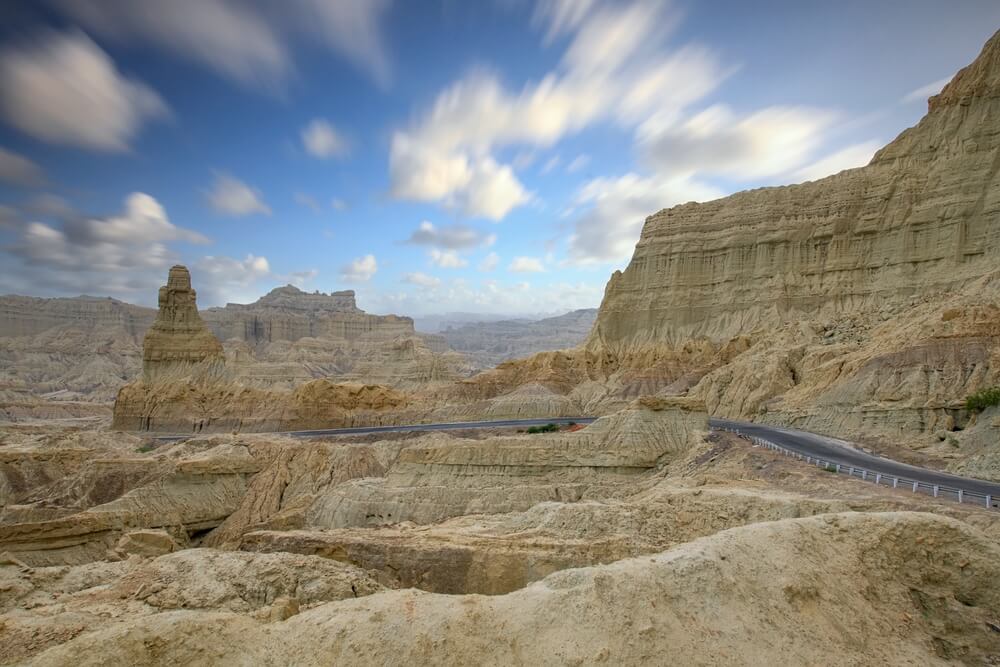
The Balochistan Plateau covers a vast area, extending over 347,190 square kilometers. It is bordered by the Sulaiman Mountains to the east, the Kirthar Mountains to the south, and the Makran Coastal Range to the southwest. The plateau is characterized by its rocky outcrops, barren deserts, and fertile valleys. The terrain varies from flat plains to rugged mountains, creating a diverse and visually striking landscape.
Climate
The climate of the Balochistan Plateau is predominantly arid, with hot summers and cold winters. The region experiences low rainfall, making it one of the driest areas in Pakistan. However, the climate can vary significantly with elevation. Higher altitudes, such as those found in the Sulaiman Mountains, experience cooler temperatures and occasional snowfall in winter.
Flora and Fauna
Despite its harsh climate, the Balochistan Plateau supports a variety of plant and animal species. The region is home to several endemic species of plants adapted to arid conditions, such as acacia and tamarisk. The plateau also provides habitat for wildlife, including the endangered Balochistan bear, the Chiltan markhor, and various species of birds and reptiles.
Cultural Significance
The Balochistan Plateau has been inhabited by various tribes and communities for centuries. The Baloch people, known for their rich cultural heritage and traditions, are the predominant ethnic group in the region. The plateau’s history is marked by the presence of ancient trade routes, archaeological sites, and historical monuments, reflecting the diverse cultural influences that have shaped the area over time.
Economic Activities
The economy of the Balochistan Plateau is primarily based on agriculture, livestock rearing, and mining. The region’s fertile valleys support the cultivation of wheat, barley, and various fruits. Livestock, including sheep, goats, and camels, play a crucial role in the livelihoods of local communities. Additionally, the plateau is rich in mineral resources, such as coal, natural gas, and copper, which contribute to the region’s economic development.
In conclusion, the Balochistan Plateau is a remarkable and multifaceted region that boasts significant geographical, ecological, and cultural diversity. Its highest point, Takht-e-Sulaiman, stands as a testament to the plateau’s unique topography and historical importance. As we continue to explore and understand this region, it becomes evident that the Balochistan Plateau holds a wealth of natural beauty and cultural heritage waiting to be discovered.
Sources: To ensure the accuracy and authenticity of the information provided, the following sources were referenced:
- Topography of Pakistan – Mega Lectures
- Balochistan Plateau – Britannica
- Pakistan Meteorological Department – Climate and Weather Data of Balochistan.
- Geological Survey of Pakistan – Topographical Features of Balochistan Plateau.
- Balochistan Wildlife Department – Flora and Fauna of Balochistan.
- Mountains of Pakistan: An Overview – National Geographic