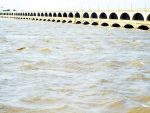
Excerpt: This post answers the questions “How many gates are there in Sukkur Barrage? What is the total number of gates in Sukkur Barrage? How many gates does the Sukkur Barrage have?”
Dams and barrages are critical infrastructures in any country. They not only control water flow and prevent floods, but also provide water for irrigation, drinking, and hydroelectric power generation. One such significant structure in Pakistan is a famous barrage located on the Indus River. This blog post will delve into the specifics of this barrage, including the number of gates it has and its significance.
How Many Gates Are There in Sukkur Barrage?
The Sukkur Barrage, one of Pakistan’s most prominent hydraulic structures, has a total of 66 gates, each with a span of 60 feet. These gates are pivotal in controlling the water flow from the Indus River, ensuring the distribution of water to various canals for irrigation and other purposes.
The Sukkur Barrage

1. Historical Significance
The Sukkur Barrage, originally known as the Lloyd Barrage, was constructed between 1923 and 1932 under the British colonial administration. It is a marvel of engineering, designed to irrigate a substantial part of the Sindh region. The barrage has played a crucial role in the agricultural development of Pakistan, turning previously barren lands into fertile agricultural zones.
2. Structural Details
Design and Construction: The Sukkur Barrage is made of concrete and steel, stretching approximately 5,000 feet across the Indus River. It is an exemplary piece of early 20th-century engineering, designed to withstand the powerful currents of the river.
Canal System: The barrage controls the water flow into seven major canals: four on the left bank and three on the right. These canals irrigate around 5 million acres of land, making it one of the largest irrigation systems in the world.
3. Functions and Benefits
Irrigation: The primary purpose of the Sukkur Barrage is to provide water for irrigation. The controlled release of water from the barrage into the canal system ensures a steady supply of water to agricultural lands, especially during dry seasons. This has transformed the Sindh region into a productive agricultural area.
Flood Control: The 66 gates of the Sukkur Barrage play a vital role in managing the water flow of the Indus River. During periods of heavy rainfall or snowmelt, these gates can be adjusted to control the river’s flow, mitigating the risk of flooding in downstream areas.
Hydroelectric Power Generation: Although the Sukkur Barrage itself does not generate hydroelectric power, its presence supports the overall water management system in Pakistan, contributing to the functionality and efficiency of hydroelectric power plants downstream.
Water Supply: The barrage also provides a reliable water supply for domestic and industrial use. Cities and towns in the Sindh region depend on the barrage for their water needs, ensuring that residents have access to clean water for drinking and daily activities.
4. Maintenance and Challenges
Regular Maintenance: Maintaining a structure as large and complex as the Sukkur Barrage requires regular inspections and repairs. The barrage’s gates and mechanical components must be kept in optimal condition to ensure their proper functioning.
Environmental Challenges: The barrage faces environmental challenges such as silt deposition, which can reduce the efficiency of the water flow. Efforts are made to regularly clear the silt and maintain the barrage’s capacity.
Future Upgrades: To address the growing water needs and environmental concerns, plans for upgrading and modernizing the Sukkur Barrage are considered. This includes strengthening the existing structure and incorporating modern technology for better water management.
In conclusion, the Sukkur Barrage, with its 66 gates each spanning 60 feet, is a cornerstone of Pakistan’s irrigation and water management system. Its historical significance, structural marvel, and multifaceted benefits make it an indispensable asset for the country’s agricultural and economic development. As Pakistan continues to face challenges related to water scarcity and environmental changes, the Sukkur Barrage will remain a critical infrastructure, supporting the livelihoods of millions and ensuring a sustainable future for the region.
Source: To ensure the accuracy and authenticity of the information provided, the following sources were referenced:
- Sukkur Barrage – Wikipedia
- Sukkur Barrage – Sindh Irrigation Department
- Sukkur Barrage | barrage, Asia – Britannica