Excerpt: This post answers the questions “How many canals originate from the Sukkur Barrage? What are the main canals associated with the Sukkur Barrage? What is the total number of canals originates from Sukkur Barrage? “
The irrigation network in Sindh, Pakistan, plays a pivotal role in supporting the agricultural landscape of the province. At the heart of this network lies the Sukkur Barrage, a monumental structure that has transformed the way water is distributed across the region. Understanding the number of canals originating from the Sukkur Barrage and their significance provides a comprehensive view of this engineering marvel.
How Many Canals Originate from the Sukkur Barrage?
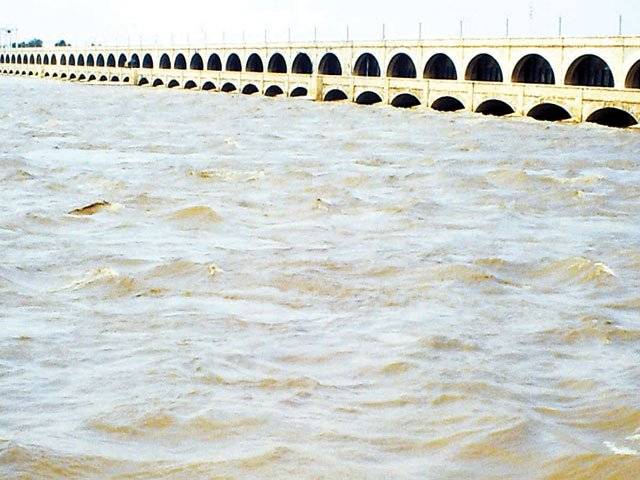
The Sukkur Barrage is associated with a total of seven canals. These canals are strategically divided between the right and left banks of the Indus River. Specifically, three canals originate from the right bank, while four canals originate from the left bank. This division ensures efficient water distribution to various agricultural regions in Sindh.
The Canals of Sukkur Barrage
Right Bank Canals
The three canals originating from the right bank of the Sukkur Barrage are vital for irrigating the lands on the western side of the Indus River. These canals play a crucial role in maintaining the water supply for the farmlands in this region. The main right bank canals are:
- North West Canal: The North West Canal is one of the primary canals on the right bank. It serves the northwestern regions and provides essential irrigation to the agricultural lands.
- Rice Canal: The Rice Canal, specifically designed to support rice cultivation, originates from the right bank. It ensures that the paddy fields receive adequate water supply.
- Dadu Canal: This canal also originates from the right bank of the Sukkur Barrage. It plays a key role in distributing water to the Dadu region, supporting various agricultural activities.
Left Bank Canals
The left bank of the Sukkur Barrage is associated with four main canals. These canals are crucial for irrigating the lands on the eastern side of the Indus River. The main left bank canals are:
- Khairpur West Canal: The Khairpur West Canal is one of the primary canals on the left bank. It serves the Khairpur region, providing vital irrigation to the agricultural lands.
- Rohri Canal: This canal is a significant one on the left bank. It channels water to the Rohri area, supporting various agricultural activities.
- Khairpur East Canal: The Khairpur East Canal serves the Khairpur district, ensuring that the farmlands in this area receive a steady supply of water.
- Eastern Nara Canal: This canal also originates from the left bank and serves the Nara district. It ensures that the farmlands in this area receive adequate water supply.
Importance of Canals in Sindh
The canal system originating from the Sukkur Barrage is not only important for agriculture but also for the overall development and prosperity of the region. The extensive network of canals supports various aspects of the local economy, including crop production, livestock farming, and water management. By ensuring a steady supply of water, these canals contribute to food security and the livelihoods of countless farmers.
Detailed Overview of Each Canal
North West Canal
The North West Canal is one of the oldest and largest canals associated with the Sukkur Barrage. It has a substantial discharge capacity and plays a pivotal role in irrigating the agricultural lands in the northwestern regions. The canal supports various crops, including wheat, cotton, and sugarcane. The North West Canal’s extensive network of branch canals and distributaries ensures that water reaches even the remotest farmlands.
Rice Canal
The Rice Canal is specifically designed to support rice cultivation in the region. Originating from the right bank, the Rice Canal ensures that the paddy fields receive adequate water supply. The canal’s extensive network of branch canals and watercourses ensures efficient water distribution to the rice fields.
Dadu Canal
The Dadu Canal is a key canal on the right bank of the Sukkur Barrage. It plays a crucial role in distributing water to the Dadu region, supporting various agricultural activities. The canal’s extensive network of distributaries and watercourses ensures that water reaches all the farmlands in the area.
Khairpur West Canal
The Khairpur West Canal is one of the primary canals on the left bank. It serves the Khairpur region, providing vital irrigation to the agricultural lands. The canal supports various crops, including wheat, cotton, and sugarcane. The Khairpur West Canal’s extensive network of branch canals and distributaries ensures efficient water distribution to the farmlands.
Rohri Canal
The Rohri Canal is a significant canal on the left bank. It channels water to the Rohri area and its surroundings, providing essential irrigation to the agricultural lands. The Rohri Canal’s extensive network of branch canals and distributaries ensures that water reaches all the farmlands in the region.
Khairpur East Canal
The Khairpur East Canal serves the Khairpur district, ensuring that the farmlands in this area receive a steady supply of water. The canal supports various crops, including wheat, cotton, and sugarcane. The Khairpur East Canal’s extensive network of branch canals and distributaries ensures efficient water distribution to the farmlands.
Eastern Nara Canal
The Eastern Nara Canal originates from the left bank and serves the Nara district. It ensures that the farmlands in this area receive adequate water supply. The canal’s extensive network of branch canals and watercourses ensures efficient water distribution to the farmlands.
In conclusion, the Sukkur Barrage is a cornerstone of Sindh’s irrigation infrastructure. With a total of seven canals, including three on the right bank and four on the left bank, this extensive network plays a vital role in supporting agriculture and ensuring efficient water distribution. Understanding the significance and extent of these canals highlights their importance in the region’s agricultural landscape. The Sukkur Barrage and its associated canals continue to be a testament to the ingenuity and hard work of engineers and farmers who have worked together to create a robust irrigation network.
Source: To ensure the accuracy and authenticity of the information provided, the following sources were referenced:
- Sukkur Barrage – Wikipedia
- Achievements of Sindh Irrigation Department – Pakistan Engineering Congress
- Sukkur Barrage Left Bank Region – Sindh Irrigation Department
- Sukkur Barrage | barrage, Asia – Britannica