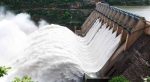
Excerpt: This post answers the questions “How many dams are there in Pakistan? What is the total number of dams in Pakistan? How many dams are in Pakistan?”
Dams play a crucial role in a country’s infrastructure by providing water for irrigation, generating hydroelectric power, controlling floods, and ensuring a stable water supply for various uses. In a country like Pakistan, where water scarcity and energy shortages are prevalent, dams are of immense importance. This blog post explores the number of dams in Pakistan and their significance.
How Many Dams Are There in Pakistan?
Pakistan is home to approximately 150 dams of varying sizes and capacities. Out of these 150 dams, 90 are used for irrigation, 19 for flood control, and 41 for power generation. The major chunk of dams built from 1960 to 1975.
These dams are strategically located across the country’s different provinces, including Punjab, Khyber Pakhtunkhwa, Sindh, and Balochistan. The primary purpose of these dams ranges from irrigation and water supply to power generation and flood control.
Dams in Pakistan

1. Major Dams in Pakistan
Tarbela Dam: Tarbela Dam, located on the Indus River in Khyber Pakhtunkhwa, is one of the largest earth-filled dams in the world. It plays a vital role in irrigation and power generation. With a storage capacity of around 13.69 cubic kilometers, it provides water for irrigation to millions of acres of farmland and generates up to 4,888 megawatts of hydroelectric power.
Mangla Dam: Situated on the Jhelum River in the Azad Kashmir region, Mangla Dam is the second-largest dam in Pakistan. It has a storage capacity of about 7.25 cubic kilometers and generates approximately 1,150 megawatts of electricity. The dam is instrumental in providing water for agriculture and controlling floods in the region.
Diamer-Bhasha Dam: Currently under construction, the Diamer-Bhasha Dam is poised to become one of the most significant infrastructure projects in Pakistan. Located on the Indus River in Gilgit-Baltistan, it will have a storage capacity of around 8.1 cubic kilometers and generate 4,500 megawatts of electricity. The dam will also contribute significantly to flood control and water storage.
2. Medium and Small Dams
Warsak Dam: Warsak Dam, located on the Kabul River near Peshawar, is a multipurpose dam that provides water for irrigation, drinking, and power generation. With a storage capacity of around 0.25 cubic kilometers, it generates approximately 243 megawatts of electricity.
Hub Dam: Hub Dam, situated on the Hub River on the border between Sindh and Balochistan, is a vital source of water for Karachi and Lasbela District. It has a storage capacity of about 0.79 cubic kilometers and is primarily used for irrigation and water supply.
Rawal Dam: Located in the Islamabad Capital Territory, Rawal Dam provides water to the twin cities of Islamabad and Rawalpindi. It has a storage capacity of around 0.084 cubic kilometers and is essential for the region’s water supply.
3. The Role of Dams in Pakistan
Irrigation: Agriculture is the backbone of Pakistan’s economy, and dams play a pivotal role in providing water for irrigation. The Indus River system, supported by various dams, supplies water to millions of acres of farmland, ensuring food security and livelihoods for millions of people.
Hydroelectric Power: Pakistan faces significant energy challenges, and hydroelectric power generated by dams is a crucial component of the country’s energy mix. Major dams like Tarbela, Mangla, and the upcoming Diamer-Bhasha Dam contribute significantly to the national grid, reducing reliance on fossil fuels and promoting sustainable energy sources.
Flood Control: Flooding is a recurring problem in Pakistan, causing extensive damage to property and agriculture. Dams help mitigate the impact of floods by controlling the flow of water and storing excess water during heavy rains, thereby protecting lives and livelihoods.
Water Supply: Dams ensure a stable and reliable water supply for domestic and industrial use. Cities like Karachi, Islamabad, and Rawalpindi depend on dams like Hub and Rawal for their daily water needs, supporting millions of residents and industrial activities.
In conclusion, Pakistan’s dams are vital to the country’s development and prosperity. With around 150 dams serving various purposes, from irrigation and power generation to flood control and water supply, these structures are indispensable. Continued investment in dam infrastructure, including ongoing projects like the Diamer-Bhasha Dam, will play a crucial role in addressing Pakistan’s water and energy challenges, ensuring a brighter and more sustainable future for its people.
Source: To ensure the accuracy and authenticity of the information provided, the following sources were referenced:
- List of dams and reservoirs in Pakistan – Wikipedia
- Water Wing – WAPDA
- Water Resources and Hydropower Development in Pakistan – WAPDA
- The Role of Dams in Pakistan’s Development – PCRWR