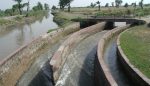
Excerpt: This post answers the questions “How many canals are there in Punjab, Pakistan? What is the total number of canals in Punjab, Pakistan? How many canals flow in Punjab, Pakistan?”
The canal network in Punjab, Pakistan, is a lifeline for the province’s agricultural sector. These canals ensure that water is efficiently distributed to the farmlands, supporting the growth of various crops and contributing to the overall prosperity of the region. Understanding the number and importance of these canals offers valuable insights into Punjab’s irrigation infrastructure.
How Many Canals Are There in Punjab, Pakistan?
As of today, Punjab has a total of 35 canals. Out of these, 24 are main canals that are primarily used for irrigation supplies. These main canals play a pivotal role in ensuring that water reaches the agricultural lands, supporting the cultivation of essential crops such as wheat, rice, and sugarcane.
Important Canals of Punjab
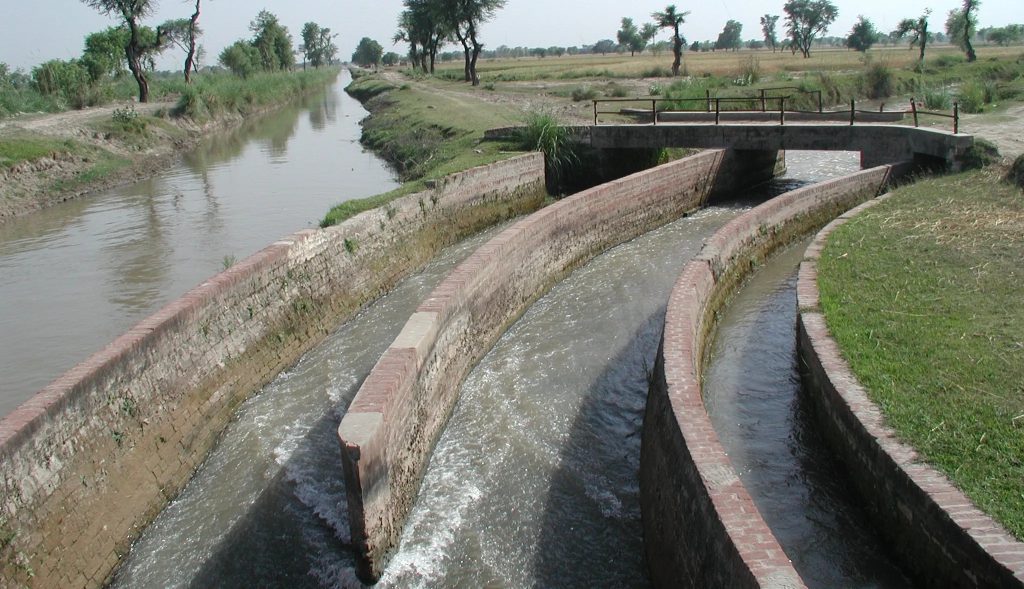
Upper Chenab Canal
The Upper Chenab Canal is one of the most significant canals in Punjab. Originating from the Marala Headworks on the Chenab River, this canal irrigates the central and western parts of the province. It has a substantial discharge capacity and supports the cultivation of various crops, including wheat, rice, and sugarcane.
Lower Bari Doab Canal
The Lower Bari Doab Canal takes off from the Balloki Headworks on the Ravi River. It is crucial for irrigating the southern parts of Punjab, ensuring that the farmlands receive adequate water supply. This canal supports the cultivation of wheat, cotton, and vegetables, making it an essential part of the region’s irrigation system.
Upper Jhelum Canal
The Upper Jhelum Canal originates from the Mangla Dam on the Jhelum River. It provides irrigation to the northern and central parts of Punjab, supporting the growth of crops such as wheat, rice, and maize. The extensive network of branch canals and distributaries ensures that water reaches even the remotest farmlands.
Lower Chenab Canal
The Lower Chenab Canal takes off from the Khanki Headworks on the Chenab River. It is vital for irrigating the central parts of Punjab, supporting the cultivation of wheat, sugarcane, and rice. The canal’s network of branch canals and watercourses ensures efficient water distribution to the agricultural lands.
Sidhnai Canal
The Sidhnai Canal is another important canal in Punjab. It originates from the Sidhnai Barrage on the Ravi River and serves the southern regions of the province. This canal supports the cultivation of various crops, including wheat, cotton, and vegetables, and plays a crucial role in the local farming community.
Trimmu-Sidhnai Link Canal
The Trimmu-Sidhnai Link Canal connects the Trimmu and Sidhnai Barrages, providing an essential link in the irrigation system of Punjab. This canal ensures that water is efficiently distributed between the two regions, supporting the cultivation of various crops.
BRBD Canal
The Bambanwala-Ravi-Bedian-Dipalpur (BRBD) Canal is a significant canal in Punjab. Originating from the Upper Chenab Canal, it serves the central and southern regions of the province. This canal supports the cultivation of wheat, rice, and sugarcane, ensuring that the farmlands receive adequate water supply.
Pakpattan Canal
The Pakpattan Canal takes off from the Sulemanki Headworks on the Sutlej River. It is essential for irrigating the southern parts of Punjab, supporting the growth of various crops. The canal’s extensive network of branch canals and distributaries ensures efficient water distribution to the agricultural lands.
Haveli Canal
The Haveli Canal also originates from the Sulemanki Headworks and serves the southern regions of Punjab. This canal plays a crucial role in providing water for irrigation, supporting the cultivation of wheat, rice, and other crops.
Mailsi Canal
The Mailsi Canal takes off from the Islam Headworks on the Sutlej River. It serves the southern parts of Punjab, ensuring that the farmlands receive adequate water supply. This canal supports the cultivation of various crops, including wheat, rice, and cotton.
Thal Canal
The Thal Canal is one of the major canals in Punjab, originating from the Jinnah Barrage on the Indus River. It serves the Thal desert region, transforming it into productive agricultural land. The canal supports the cultivation of wheat, sugarcane, and other crops.
Chashma Right Bank Canal
The Chashma Right Bank Canal originates from the Chashma Barrage on the Indus River. It serves the western parts of Punjab, providing vital irrigation to the agricultural lands. This canal supports the cultivation of wheat, cotton, and vegetables.
Importance of Canals in Punjab’s Agriculture
The canal system in Punjab is the backbone of the province’s agriculture. It ensures that water reaches the farmlands, supporting the growth of essential crops and contributing to food security. The extensive network of canals plays a crucial role in maintaining the productivity and sustainability of Punjab’s agricultural sector.
Challenges and Future Prospects
While the canal system in Punjab is vital for irrigation, it faces several challenges, including waterlogging, salinity, and maintenance issues. Addressing these challenges is crucial for ensuring the continued efficiency and effectiveness of the irrigation system. Future prospects include the modernization and upgrading of the canal network to improve water management and distribution.
In conclusion, the canals in Punjab, Pakistan, are a cornerstone of the province’s agricultural infrastructure. With a total of 35 canals, including 24 main canals used for irrigation supplies, this extensive network plays a vital role in supporting agriculture and ensuring efficient water distribution. Understanding the significance and extent of these canals highlights their importance in the region’s agricultural landscape. The canals of Punjab continue to be a testament to the ingenuity and hard work of engineers and farmers who have worked together to create a robust irrigation network.
Source: To ensure the accuracy and authenticity of the information provided, the following sources were referenced:
- List of Canals of Pakistan – Wikipedia
- Irrigation and River Network of Punjab – Pakistan Indus River System Authority
- Irrigation Canal Makes the Desert Bloom in Pakistan’s Punjab – Asia Development Bank