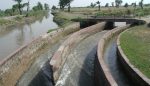
Excerpt: This post answers the questions “How many canals are there in Pakistan? What is the number of canals in Pakistan? Total how many canals are in Pakistan?”
Water is the lifeblood of agriculture, and in Pakistan, the extensive canal network plays a crucial role in ensuring that this lifeblood reaches the farmlands. The canals in Pakistan are a vital part of the irrigation system, providing the necessary water supply to support the country’s agricultural needs. Understanding the number of canals and their significance offers valuable insights into Pakistan’s irrigation infrastructure.
How Many Canals Are There in Pakistan?
As of today, Pakistan has a total of 60 canals. These canals are distributed across the country’s provinces, with each region having its own network of canals that contribute to the overall irrigation system. Specifically, there are 6 canals in Khyber Pakhtunkhwa (KPK), 19 canals in Sindh, and 35 canals in Punjab. Each of these canals plays a significant role in supporting the agricultural activities in their respective regions.
Important Canals of Pakistan

Canals in Punjab
Punjab, being the most populous province of Pakistan, has the highest number of canals. These canals are essential for irrigating the vast agricultural lands of the region. Some of the key canals in Punjab include:
- Upper Chenab Canal: Originating from the Marala Headworks on the Chenab River, this canal is crucial for irrigating the central and western parts of Punjab. It supports the cultivation of various crops, including wheat, rice, and sugarcane.
- Lower Bari Doab Canal: This canal takes off from the Balloki Headworks on the Ravi River. It plays a vital role in irrigating the southern parts of Punjab and supports the cultivation of wheat, cotton, and vegetables.
- Upper Jhelum Canal: Originating from the Mangla Dam on the Jhelum River, this canal provides irrigation to the northern and central parts of Punjab. It supports the cultivation of crops such as wheat, rice, and maize.
- Lower Chenab Canal: Taking off from the Khanki Headworks on the Chenab River, this canal is essential for irrigating the central parts of Punjab. It supports the cultivation of wheat, sugarcane, and rice.
Canals in Sindh
Sindh has an extensive canal network that is part of the larger Indus River irrigation system. These canals are essential for supporting the agricultural activities in the province. Some of the key canals in Sindh include:
- Guddu Canal: Originating from the Guddu Barrage, this canal is one of the major irrigation channels in Sindh. It serves a large area, ensuring that water reaches numerous farmlands.
- Kotri Canal: Taking off from the Kotri Barrage, this canal is vital for irrigating the agricultural lands in the region. It plays a crucial role in maintaining the water supply for crops.
- Sukkur Canal: The Sukkur Barrage feeds the Sukkur Canal, which is another essential channel in the province. This canal supports extensive agricultural activities and is critical for the local farming community.
- Nara Canal: This canal off-takes from the Guddu Canal and serves the Nara district. It is a key source of water for the agricultural lands in the area.
Canals in Khyber Pakhtunkhwa (KPK)
Khyber Pakhtunkhwa (KPK) has a smaller but significant network of canals that support the agricultural activities in the province. Some of the key canals in KPK include:
- Warsak Canal: Originating from the Warsak Dam on the Kabul River, this canal is crucial for irrigating the agricultural lands in the Peshawar Valley.
- Dargai Canal: This canal takes off from the Dargai Headworks on the Swat River. It supports the cultivation of various crops in the Malakand Division.
- Swat Canal: Originating from the Amandara Headworks on the Swat River, this canal provides irrigation to the Swat Valley. It supports the cultivation of wheat, maize, and vegetables.
- Chashma Right Bank Canal: Taking off from the Chashma Barrage on the Indus River, this canal is essential for irrigating the agricultural lands in the southern parts of KPK.
Importance of Canals in Pakistan
The canal system in Pakistan is not only important for agriculture but also for the overall development and prosperity of the country. The extensive network of canals supports various aspects of the local economy, including crop production, livestock farming, and water management. By ensuring a steady supply of water, these canals contribute to food security and the livelihoods of countless farmers.
Detailed Overview of Each Canal
Upper Chenab Canal
The Upper Chenab Canal is one of the most significant canals in Punjab. It has a substantial discharge capacity and plays a pivotal role in irrigating the agricultural lands in the central and western parts of the province. The canal supports the cultivation of various crops, including wheat, rice, and sugarcane. Its extensive network of branch canals and distributaries ensures that water reaches even the remotest farmlands.
Guddu Canal
The Guddu Canal is a major canal in Sindh. Originating from the Guddu Barrage, it serves a large area and ensures that water reaches numerous farmlands. The canal supports the cultivation of crops such as wheat, rice, and cotton. Its extensive network of branch canals and watercourses ensures efficient water distribution.
Warsak Canal
The Warsak Canal is a crucial canal in Khyber Pakhtunkhwa (KPK). Originating from the Warsak Dam on the Kabul River, it plays a significant role in irrigating the agricultural lands in the Peshawar Valley. The canal supports the cultivation of various crops, including wheat, maize, and vegetables. Its extensive network of branch canals and distributaries ensures efficient water distribution to the farmlands.
In conclusion, Pakistan’s canal system is a cornerstone of the country’s agricultural infrastructure. With a total of 60 canals, including 6 in Khyber Pakhtunkhwa, 19 in Sindh, and 35 in Punjab, this extensive network plays a vital role in supporting agriculture and ensuring efficient water distribution. Understanding the significance and extent of these canals highlights their importance in the region’s agricultural landscape. The canals of Pakistan continue to be a testament to the ingenuity and hard work of engineers and farmers who have worked together to create a robust irrigation network.
Source: To ensure the accuracy and authenticity of the information provided, the following sources were referenced:
- List of Canals in Pakistan – Wikipedia
- Pakistan Irrigation System – World Bank
- Major Irrigation Canals of Pakistan – FAO