
Excerpt: This post answers the questions “Why is it called Takht-e-Sulaiman? Why Sulaiman Range peak is called Takht-e-Sulaiman?”
High in the rugged mountains of Pakistan, there lies a peak shrouded in myths and legends. This mountain holds great historical and cultural significance and is a beacon for travelers and adventurers alike. The name of this peak evokes curiosity and wonder, making one ponder about its origins and the stories behind it. In this blog post, we will delve into the origins and significance of this mountain’s name, uncovering the tales that have shaped its identity.
Why is it Called Takht-e-Sulaiman?
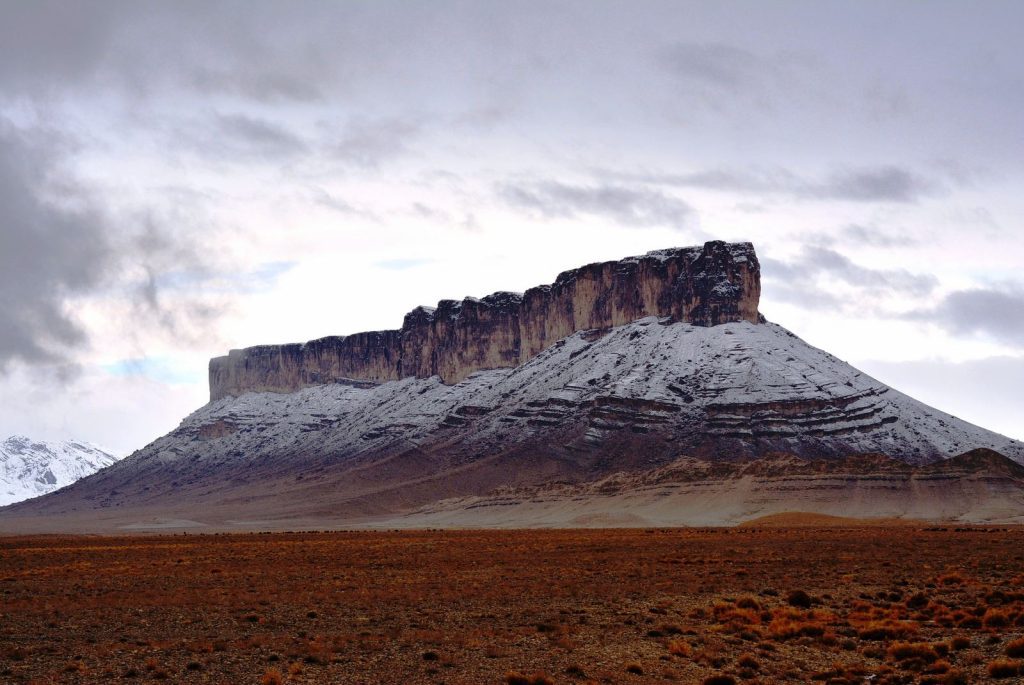
Takht-e-Sulaiman, also known as Solomon’s Throne, is a peak in the Sulaiman Range of Pakistan. The name “Takht-e-Sulaiman” is derived from Persian, where “Takht” means “throne” and “Sulaiman” refers to the biblical King Solomon. The name suggests that this mountain is associated with the throne of the legendary king, who is known for his wisdom, wealth, and mystical powers.
Unraveling the Mystery of Takht-e-Sulaiman
The Legend of King Solomon
The peak was named Takht-i-Suleman after a legend which says Prophet Solomon climbed this mountain and looked out over the land of Hindustan, which was then “covered with darkness”. The legend was recorded by the medieval Maghrebi explorer Ibn Battuta.
The connection to King Solomon adds a layer of mystique to the mountain, drawing people who are fascinated by tales of ancient wisdom and supernatural powers. The legend has been passed down through generations, becoming an integral part of the region’s cultural heritage.
Geographic Significance
Takht-e-Sulaiman is located in the Khyber Pakhtunkhwa province of Pakistan, near the border with Afghanistan. It is one of the highest peaks in the Sulaiman Range, rising to an elevation of approximately 3,487 meters (11,437 feet) above sea level. The mountain’s strategic location and impressive height make it a prominent feature in the landscape, offering panoramic views of the surrounding areas.
The peak is also significant for its role in local topography and ecology. The Sulaiman Range is part of the larger system of mountains that include the Hindu Kush and the Himalayas. These mountains play a crucial role in regulating the climate and water resources of the region, making them vital for the environment and the communities that inhabit the area.
Historical and Cultural Importance
The name Takht-e-Sulaiman reflects the deep historical and cultural connections of the region. The Sulaiman Range has been a crossroads of various civilizations and cultures for centuries. It has witnessed the passage of traders, warriors, and pilgrims, each leaving their mark on the land and its people.
The mountain’s association with King Solomon is not unique to Pakistan. Similar legends can be found in other parts of the Middle East and Central Asia, where Solomon is revered as a wise and powerful ruler. These stories highlight the shared cultural heritage and the interconnectedness of the ancient world.
In addition to its legendary significance, Takht-e-Sulaiman is also a site of religious importance. The mountain is considered sacred by the local Pashtun tribes, who believe that it is a place of divine blessings. Pilgrims often visit the peak to seek spiritual solace and offer prayers. The journey to the summit is seen as a test of faith and endurance, symbolizing a connection to the divine.
Modern-Day Significance
Today, Takht-e-Sulaiman continues to be a symbol of the region’s rich cultural and natural heritage. It attracts mountaineers, trekkers, and tourists from around the world who are eager to explore its rugged beauty and uncover the stories that lie hidden in its slopes.
The mountain is also a focal point for environmental conservation efforts. The unique flora and fauna of the Sulaiman Range are being studied and protected to ensure that future generations can continue to enjoy the natural beauty of the region. Conservation initiatives aim to preserve the delicate balance of the ecosystem and promote sustainable tourism practices.
Accessibility and Tourism
Reaching Takht-e-Sulaiman requires a challenging trek through rough terrain and steep slopes. The journey to the summit is an adventure in itself, offering a chance to experience the raw beauty of the mountains and the thrill of exploration. Travelers can begin their journey from the nearby towns of Zhob or Dera Ismail Khan, which serve as the gateways to the Sulaiman Range.
The trek to Takht-e-Sulaiman provides an opportunity to witness the diverse landscapes of the region, from lush valleys and dense forests to rocky cliffs and alpine meadows. Along the way, trekkers can encounter local wildlife, including ibex, snow leopards, and a variety of bird species. The breathtaking views from the summit make the arduous climb worthwhile, offering a sense of achievement and a connection to the legends that surround the mountain.
Takht-e-Sulaiman, with its evocative name and rich heritage, stands as a testament to the enduring allure of the mountains and the stories they inspire. The peak’s association with the legendary King Solomon adds a layer of enchantment to its natural beauty, drawing visitors who seek to uncover the mysteries of the past. As a symbol of cultural heritage, historical significance, and natural splendor, Takht-e-Sulaiman continues to captivate the hearts and minds of all who venture into its majestic embrace.

