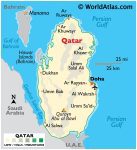
Excerpt: This post answers the questions “Which plateau in Pakistan is equal to the size of Qatar? What plateau of Pakistan is equal to the size of Qatar?“
In the diverse and fascinating landscape of Pakistan, several geographical features stand out, capturing the attention and admiration of both locals and visitors. From majestic mountains and vast deserts to lush valleys and expansive plateaus, Pakistan is a country of stunning natural beauty. Among its many geographical marvels, there lies a plateau that, when compared in size, is roughly equivalent to an entire country—Qatar. This plateau is not only significant in terms of its size but also holds great importance due to its historical, cultural, and economic contributions to the region.
Which Plateau in Pakistan is Equal to the Size of Qatar?
The Potohar Plateau is the plateau in Pakistan that matches the size of Qatar. Spanning an area that is nearly equal to Qatar’s total land area of approximately 11,586 square kilometers, the Potohar Plateau is a significant landform in the northern part of Pakistan.
The Potohar Plateau
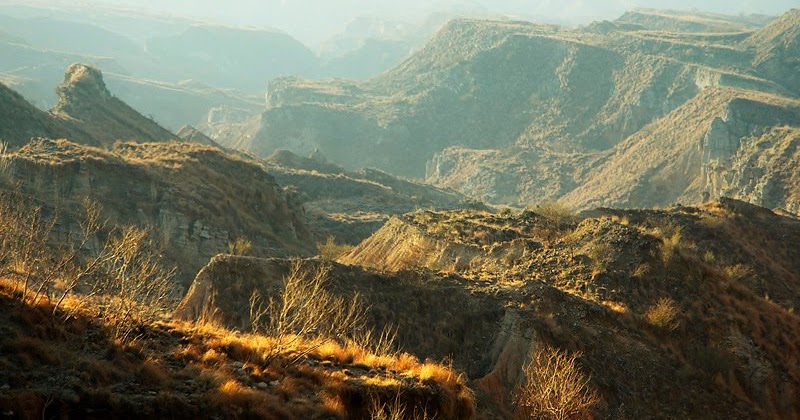
Geography and Location
The Potohar Plateau is located in the Punjab region of Pakistan, nestled between the Indus River to the west and the Jhelum River to the east. The plateau extends across several districts, including Rawalpindi, Jhelum, Attock, and Chakwal. Its geographical coordinates range from approximately 32°N to 34°N latitude and 72°E to 74°E longitude.
Climate and Terrain
The climate of the Potohar Plateau is characterized by hot summers and cool winters. The region experiences semi-arid conditions with annual precipitation varying from 300 to 500 millimeters. The terrain of the plateau is a mix of undulating plains, low hills, and rocky outcrops. The elevation ranges from about 500 to 700 meters above sea level, providing a diverse landscape that supports various forms of vegetation and wildlife.
Historical and Cultural Significance
The Potohar Plateau has been an important cultural and historical region for centuries. It is believed to have been inhabited since ancient times, with evidence of early human settlements found in the form of archaeological sites and artifacts. The plateau is home to several historical landmarks, including the ancient city of Taxila, which was once a major center of learning and culture in the Gandhara civilization.
Taxila, now a UNESCO World Heritage Site, is known for its well-preserved ruins, including monasteries, stupas, and ancient universities. The Potohar Plateau has also been a crossroads for various civilizations and empires, including the Mauryan, Kushan, and Mughal empires. This rich historical heritage is reflected in the region’s architecture, traditions, and cultural practices.
Economic Importance
The Potohar Plateau plays a significant role in Pakistan’s economy. The region is known for its agricultural productivity, with major crops including wheat, barley, and various fruits and vegetables. The fertile soil and favorable climate make it an ideal area for farming and livestock rearing.
In addition to agriculture, the Potohar Plateau is rich in mineral resources. The region has deposits of limestone, gypsum, and rock salt, which are extensively mined and contribute to the local economy. The plateau is also known for its oil and gas reserves, with several oilfields located in the area. The discovery and exploitation of these resources have brought economic growth and development to the region.
Tourism and Natural Beauty
The Potohar Plateau is a popular destination for tourists and nature enthusiasts. Its diverse landscape, historical sites, and natural beauty attract visitors from across the country and beyond. The plateau is home to several parks and protected areas, including the Margalla Hills National Park, which offers scenic hiking trails, wildlife viewing opportunities, and panoramic views of the surrounding areas.
The region’s rivers, lakes, and reservoirs provide opportunities for recreational activities such as boating, fishing, and picnicking. The picturesque valleys, lush green fields, and rocky terrain create a stunning and serene environment for visitors to explore and enjoy.
The Potohar Plateau, with its vast expanse and rich cultural heritage, stands as a testament to the natural and historical wonders of Pakistan. Its comparison in size to Qatar highlights its significance as a prominent geographical feature in the country. The plateau’s diverse landscape, economic contributions, and historical importance make it a valuable and fascinating region worthy of exploration and appreciation. Whether you are interested in history, nature, or simply seeking a tranquil retreat, the Potohar Plateau offers a wealth of experiences and discoveries waiting to be uncovered.
Source: To ensure the accuracy and authenticity of the information provided, the following sources were referenced:
- Potohar Plateau – Wikipedia
- Geography of Pakistan – Britannica