Excerpt: This post answers the questions “Who was the first speaker of KPK Assembly? Who was the first speaker of Khyber Pukhtunkhwa Provincail Assembly? What is the name of first speaker of KPK Assembly?”
Khyber Pakhtunkhwa (KPK), one of the four provinces of Pakistan, has a rich political history that spans decades. The provincial assembly of KPK plays a significant role in shaping the legislative framework and governance of the region. Understanding the early leadership of the KPK Assembly provides valuable insights into its evolution and the individuals who have contributed to its development. In this blog post, we will explore the history of the KPK Assembly, focusing on the first speaker and deputy speaker before and after the partition of India and Pakistan.
Who Was the First Speaker of KPK Assembly?
First Speaker Before Partition – 1937: Malik Khuda Bakhash Khan
In 1937, the North-West Frontier Province (NWFP), now known as Khyber Pakhtunkhwa, witnessed the formation of its first provincial assembly under the Government of India Act, 1935. The first speaker of this assembly was Malik Khuda Bakhash Khan. He was a distinguished politician and a respected leader in the region. Malik Khuda Bakhash Khan’s leadership was instrumental in guiding the nascent assembly through its initial stages, setting the foundation for parliamentary procedures and legislative practices that would endure for years to come.
First Speaker After Partition – 1952: Nawabzada Allah Nawaz Khan
Following the partition of India and Pakistan in 1947, the NWFP became a part of the newly established Pakistan. In 1952, the provincial assembly of NWFP held its first session post-partition, and Nawabzada Allah Nawaz Khan was elected as the first speaker. Nawabzada Allah Nawaz Khan was a prominent figure in Pakistani politics, known for his integrity and dedication to public service. His tenure as speaker was marked by efforts to strengthen the legislative process and ensure the effective functioning of the assembly.
Who Was the First Deputy Speaker of KPK Assembly?
First Deputy Speaker Before Partition – 1937: Mr. Muhammad Sarwar Khan
In 1937, alongside the first speaker, the assembly also elected its first deputy speaker, Mr. Muhammad Sarwar Khan. Mr. Sarwar Khan was a notable political leader, known for his fair and balanced approach to parliamentary proceedings. His role as deputy speaker was crucial in maintaining order and decorum within the assembly, supporting the speaker in managing legislative sessions and ensuring that all voices were heard.
First Deputy Speaker After Partition – 1952: Khan Muhammad Farid Khan
Post-partition, the first deputy speaker of the NWFP Assembly in 1952 was Khan Muhammad Farid Khan. Khan Muhammad Farid Khan was a respected leader with a deep commitment to the welfare of the people. As the deputy speaker, he played a vital role in assisting the speaker in conducting the assembly’s business, ensuring that debates and discussions were conducted smoothly and efficiently.
Khyber Pakhtunkhwa Assembly: An Overview
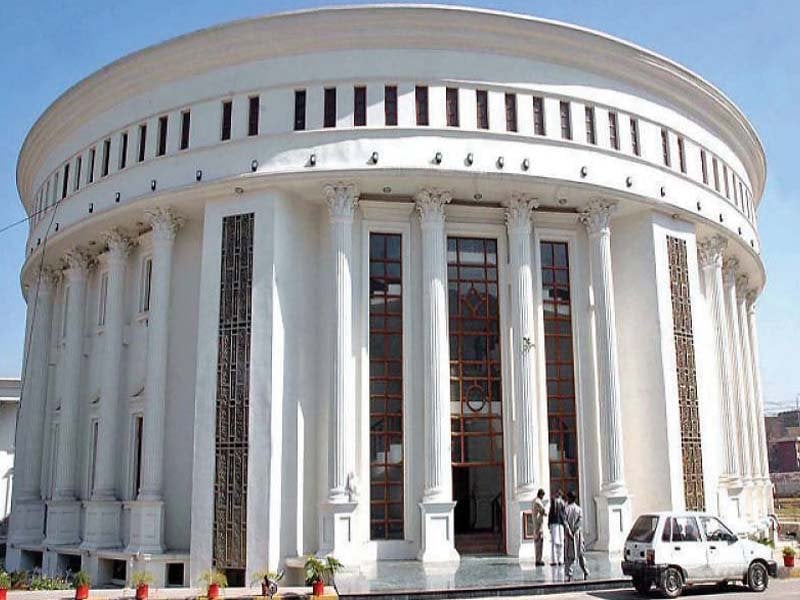
History and Formation
The Khyber Pakhtunkhwa Assembly, originally known as the NWFP Assembly, was established to represent the diverse interests of the province’s population. Its formation marked a significant step towards greater political representation and autonomy for the region. Over the years, the assembly has evolved to become a key institution in the governance and legislative process of KPK.
Structure and Functions
The KPK Assembly operates under a well-defined framework, with the speaker and deputy speaker playing pivotal roles in guiding its proceedings. The speaker is responsible for maintaining order during sessions, ensuring that debates are conducted fairly, and upholding the rules and regulations of the assembly. The deputy speaker assists the speaker and can preside over sessions in their absence.
The assembly consists of elected representatives who propose, debate, and vote on bills that can become laws. It also serves as a forum for discussing policies and addressing the needs and concerns of the constituents. Additionally, the assembly holds the executive branch accountable, ensuring transparency and good governance.
Legislative Achievements
Throughout its history, the KPK Assembly has passed numerous laws aimed at improving the socio-economic conditions of the province. Key legislative achievements include laws promoting education, healthcare, women’s rights, and environmental protection. The assembly’s work reflects the diverse needs and aspirations of KPK’s population, contributing to the overall development and progress of the province.
The Khyber Pakhtunkhwa Assembly’s journey from its inception to the present day is a testament to the resilience and dedication of its leaders and members. The first speakers and deputy speakers, both before and after partition, played crucial roles in shaping the assembly’s early years and establishing a strong foundation for its future. Their legacy continues to inspire current and future legislators, reminding them of the importance of integrity, fairness, and public service. As the KPK Assembly continues to evolve, it remains a vital institution for the province’s governance and development.
Sources: To ensure the accuracy and authenticity of the information provided, the following sources were referenced:
- Provincial Assembly of Khyber Pakhtunkhwa – Pakistan Institute of Parliamentary Services
- Provincial Assembly of Khyber Pakhtunkhwa – Wikipedia
- KP Assembly – Official Website of KPK Assembly
- Speakers of the Provincial Assembly of Khyber Pakhtunkhwa – Wikipedia