
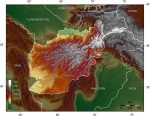
Excerpt: This post answers the questions “Which mountain separates Pakistan and Afghanistan? Which mountain range lies between Pakistan and Afghanistan?”
The natural landscape of Pakistan and Afghanistan is marked by some of the world’s most impressive and rugged mountain ranges. These mountains not only form striking natural borders but also play a significant role in the climate, culture, and history of the region. The mountain ranges that separate these two neighboring countries are crucial geographical features, influencing everything from weather patterns to migration routes.
Which Mountain Separates Pakistan and Afghanistan?
Multiple mountain ranges act as natural borders between Pakistan and Afghanistan. Among them, four prominent ranges stand out due to their geographical significance and historical importance:
- Hindu Kush: The Hindu Kush is one of the most significant and well-known mountain ranges that form the boundary between Pakistan and Afghanistan. This range extends from central Afghanistan into northern Pakistan, featuring towering peaks and rugged terrain.
- Karakoram Range: Known for its challenging peaks, including K2, the Karakoram Range extends into northern Pakistan from the Himalayan chain and forms part of the border with Afghanistan. The range is characterized by its high altitudes and glaciated landscapes.
- Chagai Hills: Located in the western part of Pakistan, the Chagai Hills extend into Afghanistan. This range is noted for its mineral wealth, particularly copper and gold deposits.
- Spin Ghar Range: Also known as the White Mountains, the Spin Ghar Range forms a natural border between Pakistan and Afghanistan. This range is known for its rugged terrain and significant impact on the region’s climate.
Mountain Ranges between Pakistan and Afghanistan
Introduction to Mountain Ranges
The mountain ranges between Pakistan and Afghanistan are not merely geographical features; they have played a crucial role in shaping the region’s culture, history, and economy. These mountains have been historical barriers and conduits for trade, migration, and military campaigns.
Hindu Kush
The Hindu Kush is one of the most prominent mountain ranges in the region. Extending from central Afghanistan into northern Pakistan, it features some of the highest peaks outside the Himalayas. The range’s rugged terrain and high altitudes make it a challenging environment, but it is also rich in biodiversity. The Hindu Kush has historically been a significant barrier, influencing trade and migration routes between South Asia and Central Asia. The mountain passes within this range, such as the Khyber Pass, have been vital routes for centuries.
Karakoram Range
The Karakoram Range is known for its challenging and high-altitude peaks. Extending into northern Pakistan, the range includes K2, the second-highest mountain in the world. The Karakoram is part of the greater Himalayan chain and forms part of the border between Pakistan and Afghanistan. Its glaciated landscapes and high peaks are not only significant for mountaineering but also play a crucial role in the region’s water resources. The glaciers of the Karakoram are a source of water for many rivers that support agriculture and livelihoods in the region.
Chagai Hills
Situated in the western part of Pakistan, the Chagai Hills extend into Afghanistan and are known for their mineral wealth. The hills are rich in deposits of copper and gold, which have been exploited for economic benefits. The Chagai Hills also feature unique geological formations, making them a popular site for geological studies and research. The range’s mineral resources have contributed significantly to the local economy and continue to play a crucial role in the region’s development.
Spin Ghar Range
The Spin Ghar Range, also known as the White Mountains, forms a natural border between Pakistan and Afghanistan. The range is characterized by its rugged terrain, with peaks that rise to significant heights. The Spin Ghar Range has a significant impact on the region’s climate and weather patterns. The mountains are also home to various species of wildlife, adding to the region’s ecological significance. Historically, the range has been a barrier to movement and has influenced the cultural and social dynamics of the region.
The mountain ranges that separate Pakistan and Afghanistan are a testament to the region’s natural beauty and geological diversity. From the towering peaks of the Hindu Kush to the mineral-rich Chagai Hills, each range adds to the unique topography of the area. These mountains have not only shaped the geography and climate of the region but have also played a significant role in its history and culture. Exploring these mountain ranges offers a glimpse into the rich natural and cultural tapestry of Pakistan and Afghanistan.
Source: To ensure the accuracy and authenticity of the information provided, the following sources were referenced:
- Mountains of Pakistan – Wikipedia

