Excerpt: This post answers the questions “Which mountain range separates Pakistan from China? Which mountain range act as a natural boundary line between Pakistan and China? Which mountain range lies between Pakistan and China?”
The border between Pakistan and China is one of the most rugged and spectacular in the world. This natural boundary is marked by a series of towering mountains, some of the highest on the planet. These mountains not only form a formidable geographic barrier but also hold immense significance for the local communities and the broader region. The mountain range that separates Pakistan from China is a testament to the raw beauty and power of nature, shaping the landscape and influencing the lives of those who inhabit these regions.
Which Mountain Range Separates Pakistan from China?
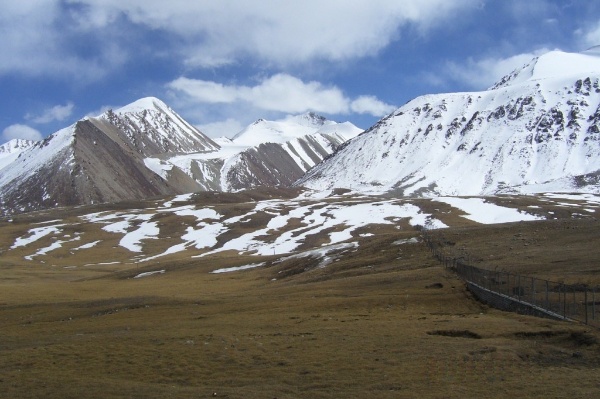
The mountain range that predominantly separates Pakistan from China is the Karakoram Range. This range is renowned for its towering peaks, glaciated landscapes, and challenging terrain. The Karakoram Range is home to some of the world’s highest mountains, including K2, the second-highest peak in the world.
Karakoram: The natural boundary between Pakistan and China
Introduction to the Karakoram Range
The Karakoram Range is a part of the greater Himalayan mountain system and extends across the borders of Pakistan, India, and China. It is characterized by its high-altitude peaks, extensive glaciation, and unique geological formations. The range plays a crucial role in the region’s climate and hydrology, feeding many of the major rivers in South Asia.
Key Features of the Karakoram Range
High Peaks: The Karakoram Range boasts some of the highest peaks in the world. Apart from K2, which stands at 8,611 meters (28,251 feet), the range includes several other notable mountains such as Gasherbrum I, Broad Peak, and Gasherbrum II. These peaks are among the most challenging to climb, attracting mountaineers from all over the world.
Glaciers: The Karakoram Range is home to some of the largest glaciers outside the polar regions. The Siachen Glacier, Biafo Glacier, and Baltoro Glacier are among the most well-known. These glaciers are not only significant for their size but also for their impact on the region’s water resources. They are a critical source of freshwater for the rivers that flow into the Indus Basin, supporting agriculture and livelihoods downstream.
Unique Geology: The Karakoram Range is known for its unique geological formations. The mountains are primarily composed of sedimentary rocks, with significant areas of metamorphic and igneous rocks. This diverse geology contributes to the range’s striking landscapes and rich mineral resources.
Other Significant Mountain Ranges Along the Border
While the Karakoram Range is the most prominent, there are other significant mountain ranges that form the natural boundary between Pakistan and China:
Himalayan Range: The eastern part of the border between Pakistan and China is marked by the westernmost extension of the Himalayas. This section includes notable peaks like Nanga Parbat, which stands at 8,126 meters (26,660 feet) and is known for its dramatic rise above the surrounding terrain.
Pamirs: The northernmost part of the border touches the southern edges of the Pamir Mountains. This range extends across several countries in Central Asia and is known for its high-altitude plateaus and rugged terrain. The Pamirs are often referred to as the “Roof of the World” due to their significant elevation.
Cultural and Historical Significance
The mountain ranges between Pakistan and China have historically been significant for trade, exploration, and cultural exchange. The Karakoram Highway, often dubbed the “Eighth Wonder of the World,” follows the ancient Silk Road route through these mountains, connecting the two countries. This highway is a vital link for trade and travel, passing through some of the most challenging and scenic landscapes in the world.
Environmental Impact
The high-altitude environments of the Karakoram and surrounding ranges are home to unique ecosystems. These mountains support a diverse array of flora and fauna, many of which are adapted to the harsh conditions. The region is also crucial for various research studies related to climate change and glaciology, as the glaciers in these mountains are sensitive indicators of environmental shifts.
The mountain ranges that separate Pakistan from China are more than just geographical boundaries. They are a testament to the incredible natural beauty and geological diversity of the region. The Karakoram Range, with its towering peaks and extensive glaciers, is the most prominent of these ranges, but the Himalayas and Pamirs also contribute to the unique topography of the border area. These mountains have shaped the history, culture, and environment of the region, making them an essential part of the natural heritage of Pakistan and China. Exploring these ranges offers a glimpse into the awe-inspiring power of nature and the enduring resilience of the people who inhabit these rugged landscapes.