Excerpt: This post answers the questions “Which mountain range is located in Balochistan province? Which mountains are located in Balochistan Pakistan? What mountain range is located in Balochistan province?”
Nestled in the southwestern region of Pakistan, lies a province characterized by its diverse and dramatic landscapes. This province, Balochistan, boasts an array of geographical features, from arid deserts to lush coastal areas. Among the most striking elements of Balochistan’s topography are its numerous mountain ranges that stretch across its vast expanse. These ranges are not merely geological formations; they are a testament to the natural beauty and unique character of the region.
Which Mountain Range is Located in Balochistan Province?
Balochistan is home to more than fourteen prominent mountain ranges, each with its own distinct features and significance. Here, we explore these mountain ranges, highlighting some of the most famous ones:
- Central Makran Range: Located in the central part of the Makran region, this range is known for its arid and rugged terrain. It plays a crucial role in the geography of southern Balochistan.
- Kirthar Mountains: Stretching along the western edge of Sindh and the eastern part of Balochistan, the Kirthar Mountains are renowned for their scenic beauty and wildlife sanctuaries.
- Makran Coastal Range: Running parallel to the Arabian Sea, this range is an integral part of Balochistan’s coastal geography. Known for its unique landscapes and cliffs, it offers breathtaking views.
- Toba Kakar Range: Located in the northern part of Balochistan, this range forms a natural boundary with Afghanistan. It is famous for its high peaks and picturesque valleys.
- Siahan Range: Stretching across the eastern part of Balochistan, the Siahan Range is characterized by its barren yet beautiful landscape.
- Sulaiman Mountain Range: One of the most prominent ranges in Balochistan, the Sulaiman Mountain Range extends from the northeastern part of the province, forming a natural border with Punjab and Khyber Pakhtunkhwa. The highest peak, Takht-e-Sulaiman, holds cultural and religious significance.
- Bolan Range: Famous for the historic Bolan Pass, this range has been a critical trade and travel route connecting South Asia with Central Asia.
- Chagai Hills: Located in the western part of Balochistan, the Chagai Hills are known for their mineral wealth, particularly copper and gold.
- Ras Koh Range: Situated in the Chagai District, this range is also noted for its mineral resources.
- Hala Range: Positioned in the western part of the province, the Hala Range adds to the diverse topography of Balochistan.
- Kuh-e-Suleiman: Extending into the northeastern part of Balochistan, this range is part of the larger Sulaiman Range system.
- Zagros Mountains: While predominantly in Iran, the eastern extensions of the Zagros Mountains reach into the western part of Balochistan.
- Kuh-i-Taftan: A prominent volcanic mountain in the Chagai region, known for its unique geological features.
- Koh-i-Maran: Located in the Quetta District, this range adds to the scenic beauty of the provincial capital.
The Mountains of Balochistan
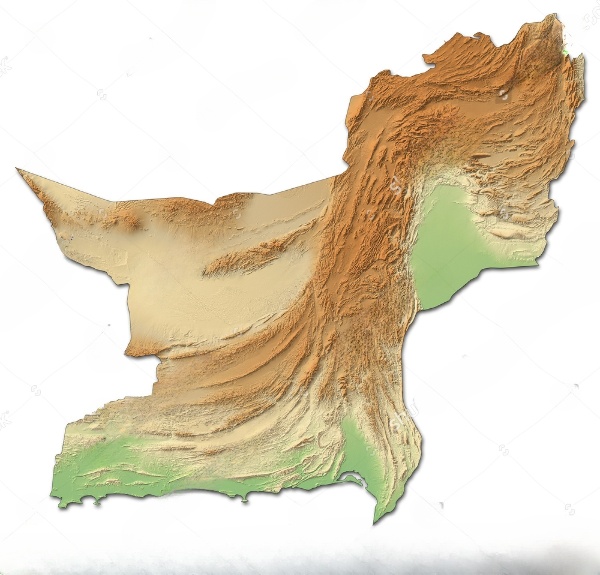
Introduction to Balochistan’s Mountain Ranges
Balochistan’s diverse landscape is marked by numerous mountain ranges that contribute to the region’s unique topography. These ranges not only add to the scenic beauty of the province but also play a significant role in its climate, culture, and economy.
Central Makran Range
The Central Makran Range is a prominent feature in southern Balochistan. Its arid and rugged terrain is home to various species of flora and fauna, making it an ecological hotspot. The range is also a vital part of the local climate, influencing weather patterns in the region.
Kirthar Mountains
The Kirthar Mountains, stretching along the western edge of Sindh and eastern Balochistan, are known for their scenic landscapes and wildlife sanctuaries. The range is home to several national parks, including the Kirthar National Park, which is a haven for nature enthusiasts and wildlife photographers.
Makran Coastal Range
Running parallel to the Arabian Sea, the Makran Coastal Range is integral to Balochistan’s coastal geography. The range features unique landscapes, including cliffs and rocky outcrops, offering stunning views of the coastline. It is also a popular spot for hiking and adventure tourism.
Toba Kakar Range
Located in northern Balochistan, the Toba Kakar Range forms a natural boundary with Afghanistan. This range is characterized by its high peaks and picturesque valleys, making it a favorite destination for trekkers and mountaineers.
Sulaiman Mountain Range
One of the most significant ranges in Balochistan, the Sulaiman Mountain Range, extends from the northeastern part of the province. The range is culturally and religiously significant, with the highest peak, Takht-e-Sulaiman, being a site of pilgrimage for many.
Bolan Range
The Bolan Range is famous for the historic Bolan Pass, which has been a critical trade and travel route connecting South Asia with Central Asia. The pass holds historical significance and has been used by various civilizations for centuries.
Chagai Hills
The Chagai Hills, located in the western part of Balochistan, are known for their mineral wealth. The hills are rich in copper and gold deposits, making them an essential part of the province’s economy.
Ras Koh Range
Situated in the Chagai District, the Ras Koh Range is noted for its mineral resources. The range is also known for its unique geological formations and is a popular site for geological studies.
Balochistan, with its myriad of mountain ranges, is a testament to the natural beauty and geological diversity of Pakistan. From the towering peaks of the Sulaiman Range to the rugged terrains of the Makran Coastal Range, each mountain range adds to the unique topography of the province. Exploring these mountain ranges offers a glimpse into the rich cultural, historical, and natural tapestry of the region.
Source: To ensure the accuracy and authenticity of the information provided, the following sources were referenced:
- Mountain Ranges of Balochistan – Wikipedia