
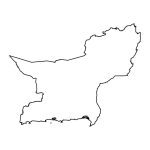
Excerpt: This post answers the questions “Which mountain range encompasses the Balochistan plateau? In which mountain range does the Balochistan plateau lie? Balochistan plateau lies in which mountain range?”
Imagine a vast landscape where rugged mountains rise from an expansive plateau, creating a stunning panorama. This region is characterized by its unique geological features and natural beauty. It’s a place where history, culture, and nature come together to create an awe-inspiring environment. The question is, what mountain range encompasses this remarkable plateau?
Which mountain range encompasses the Balochistan plateau?
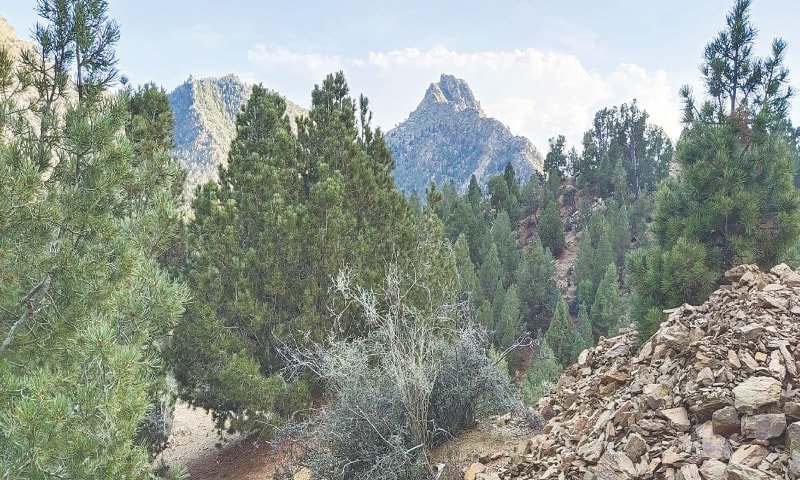
The Balochistan plateau is encompassed by the Sulaiman and Kirthar mountain ranges. It is located in the Southwest of Pakistan with altitudes mainly ranging from 600-1200 meters. These mountain ranges are significant geographical features of Pakistan, adding to the unique landscape of the region. The Sulaiman Mountains lie to the east of the plateau, while the Kirthar Mountains are located to the south. Together, these ranges create a natural boundary for the Balochistan plateau, contributing to its distinct topography.
Location and Significance
The Sulaiman Mountains stretch across the eastern part of Balochistan, extending into the provinces of Punjab and Khyber Pakhtunkhwa. The highest peak of this range is Takht-i-Sulaiman, standing at an elevation of approximately 3,487 meters (11,437 feet). On the other hand, the Kirthar Mountains run along the western edge of the Indus River valley, forming the southern boundary of the Balochistan plateau. The highest peak in the Kirthar range is Zardak, which reaches an elevation of about 2,472 meters (8,110 feet).
Geological Importance
The Sulaiman and Kirthar mountain ranges are not only significant for their geographical location but also for their geological importance. These ranges are composed of sedimentary rock formations, which have been shaped by tectonic activity over millions of years. The rugged terrain and unique rock formations are a testament to the dynamic geological history of the region.
What is a Plateau?
A plateau is a flat or gently sloping elevated area of land that rises sharply above the surrounding terrain on at least one side. Plateaus are characterized by their flat tops and steep sides, and they can be found on every continent. They are formed through various geological processes, including volcanic activity, tectonic uplift, and erosion. Plateaus are often rich in natural resources and provide unique habitats for diverse flora and fauna.
The Balochistan Plateau
Location and Extent
The Balochistan plateau covers a vast area in the southwestern part of Pakistan. It extends over several districts in the Balochistan province, including Quetta, Kalat, and Zhob. The plateau is bounded by the Sulaiman and Kirthar mountain ranges, with the Arabian Sea to the south. The region is characterized by its arid climate, rugged terrain, and unique geological features.
Climate and Vegetation
The climate of the Balochistan plateau is predominantly arid, with hot summers and cold winters. The region receives minimal rainfall, which mostly occurs during the winter months. Despite the harsh climatic conditions, the plateau supports a variety of vegetation, including hardy shrubs, grasses, and some drought-resistant trees. The vegetation is adapted to the arid environment, with deep root systems and thick leaves that help conserve water.
Natural Resources
The Balochistan plateau is rich in natural resources, including minerals, natural gas, and oil. The region is known for its deposits of chromite, copper, and limestone, which are economically significant for Pakistan. Additionally, the plateau has vast reserves of natural gas, which contribute to the country’s energy supply. The exploitation of these resources plays a crucial role in the economy of the Balochistan province.
Cultural and Historical Significance
The Balochistan plateau has a rich cultural and historical heritage. It is home to various ethnic groups, including Baloch, Pashtuns, and Brahuis, each with their unique traditions and cultural practices. The region has been a crossroads of various civilizations throughout history, including the ancient Indus Valley Civilization, the Achaemenid Empire, and the Mughal Empire. Archaeological sites, ancient forts, and historic trade routes in the region bear testimony to its historical significance.
Challenges and Opportunities
Despite its natural wealth, the Balochistan plateau faces several challenges, including water scarcity, limited infrastructure, and socio-economic disparities. The arid climate and lack of water resources make agriculture challenging, leading to reliance on livestock rearing. However, the region also presents opportunities for development, particularly in the mining and energy sectors. Sustainable development and responsible management of natural resources can contribute to the socio-economic upliftment of the local communities.
The Balochistan plateau, with its rugged beauty and rich natural resources, is a region of immense significance in Pakistan. Encompassed by the Sulaiman and Kirthar mountain ranges, this plateau offers a unique landscape that is both challenging and captivating. The journey to explore the Balochistan plateau is as rewarding as the destination itself, with every step revealing the stunning landscapes and cultural heritage of the region. So, pack your bags and embark on an adventure to discover the wonders of the Balochistan plateau.
Source: To ensure the accuracy and authenticity of the information provided, the following sources were referenced:
- Balochistān Plateau – Britannica
- Balochistan, Pakistan – Wikipedia
- Explore – Balochistan Government Web Portal

