

Excerpt: This post answers the questions “Which is the second largest dam in Pakistan? What is the name of second largest dam in Pakistan? Which dam is the second largest dam in Pakistan?”
Pakistan’s diverse landscape and water management needs have led to the construction of numerous dams, each playing a crucial role in supporting agriculture, providing clean drinking water, and generating hydroelectric power. Among these structures, the second largest dam in Pakistan stands out for its impressive size and significant contributions to the country’s development. In this blog post, we will explore this dam, its importance, and its features.
Which is the second largest dam in Pakistan?
The second largest dam in Pakistan is the Mangla Dam. Located on the Jhelum River in Azad Jammu and Kashmir, this dam is a vital component of Pakistan’s water management infrastructure. Completed in 1967, Mangla Dam has played a crucial role in irrigation, flood control, and hydroelectric power generation, making it an essential asset for the region.
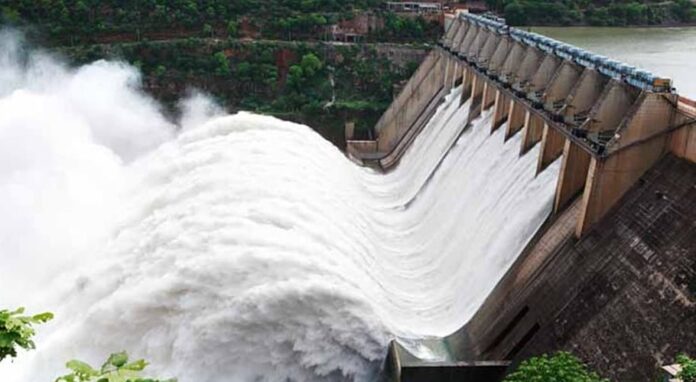
The Mangla Dam: An Overview
Location and Overview
Mangla Dam is situated on the Jhelum River in the Mirpur District of Azad Jammu and Kashmir. The dam spans a length of 1,450 meters (4,757 feet) and stands at a height of 147 meters (482 feet). It was constructed as part of the Indus Basin Project, aimed at harnessing the water resources of the Indus River system for irrigation and power generation.
Importance of Mangla Dam
Mangla Dam holds immense importance for Pakistan’s agricultural sector and overall water management. The dam provides irrigation water to approximately 1.5 million acres of agricultural land, supporting the livelihoods of countless farmers and contributing to food security in the region. By regulating the flow of the Jhelum River, Mangla Dam helps prevent floods and ensures a consistent water supply for irrigation.
Water Supply and Irrigation
The Mangla Dam has a storage capacity of 7.251 billion cubic meters (5.879 million acre-feet), making it one of the largest reservoirs in Pakistan. The dam’s extensive network of canals and distributaries ensures that water reaches every part of the irrigated area, maximizing crop yields and supporting agricultural productivity. The regulated flow of water from the dam is essential for maintaining soil moisture and promoting healthy crop growth.
Hydroelectric Power Generation
In addition to its irrigation benefits, Mangla Dam is also a significant source of hydroelectric power. The dam’s power station has an installed capacity of 1,000 megawatts, providing a reliable and sustainable source of energy for the region. The electricity generated by Mangla Dam contributes to the national grid, reducing the country’s reliance on fossil fuels and promoting clean energy.
Flood Control and Water Management
Mangla Dam plays a crucial role in flood control and water management in the region. By regulating the flow of the Jhelum River, the dam helps prevent devastating floods that can cause widespread damage to infrastructure, agriculture, and human settlements. The dam’s gates can be adjusted to manage water levels, ensuring that excess water is released in a controlled manner to minimize flood risk.
Environmental Impact
The construction and operation of Mangla Dam have significant environmental implications. On the positive side, the dam helps maintain the water table in the region, preventing soil degradation and desertification. Additionally, the regulated water flow helps maintain the stability of riverbanks and prevents soil erosion, contributing to the overall health of the environment. However, the dam has also altered the natural flow of the Jhelum River, impacting fish migration and biodiversity. Efforts are being made to mitigate these effects through environmental management practices and sustainable water management strategies.
Challenges and Future Prospects
Despite its importance, Mangla Dam faces several challenges that need to be addressed to ensure its long-term sustainability. One of the main challenges is sedimentation, which can reduce the dam’s capacity and obstruct water flow. Regular maintenance and dredging are necessary to keep the dam functioning efficiently. Additionally, the aging infrastructure requires ongoing repairs and upgrades to meet modern standards and address the growing water demands of the region. Future projects aimed at improving water management, upgrading infrastructure, and implementing modern irrigation techniques will be crucial in addressing these challenges and ensuring the continued success of Mangla Dam.
Mangla Dam stands as a testament to Pakistan’s engineering prowess and commitment to managing its water resources effectively. As the second largest dam in the country, it plays a vital role in supporting agriculture, providing water for irrigation, and generating hydroelectric power. While challenges remain, continued investment in maintenance, infrastructure, and sustainable water management practices will ensure that Mangla Dam continues to be a valuable resource for generations to come. Understanding the importance of such structures highlights the need for ongoing efforts to build and maintain infrastructure that can support sustainable development and protect against natural disasters.
Sources: To ensure the accuracy and authenticity of the information provided, the following sources were referenced:
- Mangla Dam – Britannica
- Rohtas Fort and Mangla Dam – Punjab Government Tourism Web Portal
- Mangla Dam – Pakistan Water and Power Development Authority (WAPDA)
- International Water Management Institute (IWMI)
- Local government reports and publications on Mangla Dam
- Mangla Dam – Wikipedia

