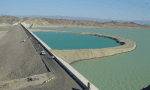
Excerpt: This post answers the questions “Which is the longest canal in Sindh Pakistan? What is the longest canal in Sindh Pakistan? Which canal is the longest canal in Sindh Pakistan?”
Pakistan is a country with a rich history of water management and irrigation systems. The country’s agricultural sector heavily relies on an extensive network of canals to provide water for crops and support the livelihoods of millions of people. These canals play a crucial role in maintaining the productivity of the agricultural lands, especially in arid and semi-arid regions. In this blog post, we will explore the largest canal in Pakistan, its significance, and its various features.
Which is the largest canal in Sindh Pakistan?
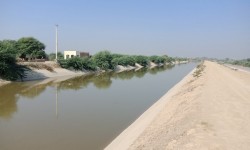
The largest canal in Sindh, Pakistan is the Nara Canal. This massive irrigation canal is a vital part of the country’s water management system and serves as a lifeline for the agricultural communities in the region. The Nara Canal originates from the Sukkur Barrage on the Indus River and extends southwards, covering a vast area and providing water to numerous towns and villages along its route.
What is a canal?
A canal is a man-made waterway constructed to transport water for various purposes, including irrigation, navigation, and drainage. Canals are designed to divert water from natural sources, such as rivers and lakes, to areas where it is needed. In agricultural regions, canals are essential for providing a reliable and consistent water supply to irrigate crops and support farming activities. Canals can vary in size, from small ditches to large waterways, and are often integrated into a broader network of irrigation infrastructure.
The Nara Canal: An Overview
Location and Overview
The Nara Canal is located in the Sindh province of Pakistan. It originates from the Sukkur Barrage on the Indus River, one of the country’s major water control structures. The canal extends southwards for approximately 226 miles (364 kilometers) and serves as a primary irrigation source for the region. The Nara Canal is a significant component of the Indus Basin Irrigation System, which is one of the largest and most complex irrigation systems in the world.
Importance of Nara Canal
The Nara Canal holds immense importance for the Sindh province and Pakistan as a whole. The canal provides water to over 2 million acres of agricultural land, supporting the cultivation of various crops, including wheat, rice, sugarcane, and cotton. The consistent water supply from the canal ensures that farmers can maintain their productivity and contribute to the local and national economy. Additionally, the canal supports the livelihoods of millions of people who depend on agriculture for their income and sustenance.
Water Supply and Irrigation
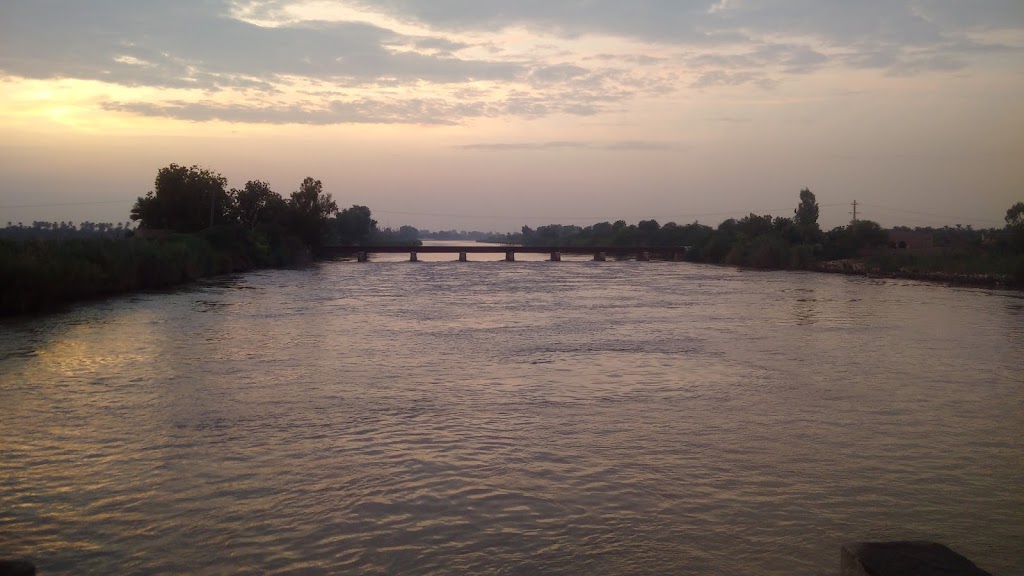
The Nara Canal plays a crucial role in supplying water for irrigation in the arid regions of Sindh. The canal’s water is distributed through an extensive network of smaller channels and ditches, ensuring that it reaches every part of the agricultural land. This efficient water distribution system helps maximize crop yields and reduces the risk of water scarcity during dry periods. The canal also supports the cultivation of high-value crops, which require a consistent and reliable water supply to thrive.
Environmental Impact
While the primary purpose of the Nara Canal is to provide water for irrigation, it also has significant environmental benefits. The canal helps maintain the water table in the region, preventing soil degradation and desertification. The presence of the canal also supports local ecosystems by providing habitats for various aquatic species and promoting biodiversity. However, it is essential to manage the canal sustainably to minimize any potential negative impacts on the environment, such as waterlogging and salinity.
Challenges and Future Prospects
The Nara Canal faces several challenges that need to be addressed to ensure its long-term sustainability. One of the main challenges is sedimentation, which can reduce the canal’s capacity and obstruct water flow. Regular maintenance and dredging are necessary to keep the canal functioning efficiently. Additionally, the canal’s reliance on the Sukkur Barrage means that any issues with the barrage can directly impact the water supply. Future projects aimed at improving water management, upgrading infrastructure, and implementing modern irrigation techniques will be crucial in addressing these challenges and ensuring the continued success of the Nara Canal.
The Nara Canal is a vital component of Pakistan’s irrigation system and plays a crucial role in supporting the country’s agricultural sector. As the largest canal in Pakistan, it provides water to millions of acres of farmland, ensuring the productivity and livelihoods of countless farmers. While challenges exist, continued investment in maintenance, infrastructure, and sustainable water management practices will ensure that the Nara Canal continues to be a valuable resource for generations to come. Understanding the importance of such infrastructure highlights the need for ongoing efforts to build and maintain canals that can support agricultural development and contribute to the overall well-being of the nation.
Sources: To ensure the accuracy and authenticity of the information provided, the following sources were referenced:
- The Nara Canal Project – Pakistan Water and Power Development Authority (WAPDA)
- Sukkur Barrage – Sindh Irrigation Department
- Nara Canal – Ministry of Water Resources
- Nara Canal – Britannica
- News articles and research papers on irrigation and water management in Pakistan
- Interviews with local experts and community members