
Excerpt: This post answers the questions “Which is the largest flood protection dam in Pakistan? Which is Pakistan’s largest flood protection dam? What is the name of largest flood protection dam in Pakistan?”
Pakistan is a country known for its diverse geographical landscapes and weather patterns. This diversity makes it prone to both droughts and floods, with floods often causing significant damage to infrastructure, agriculture, and human lives. Over the years, Pakistan has taken various measures to mitigate the impacts of these natural disasters, one of which is the construction of flood protection dams. These dams play a crucial role in managing water resources, controlling floods, and providing water for irrigation and domestic use. In this blog post, we will explore the largest flood protection dam in Pakistan, its importance, and its various features.
Which is the largest flood protection dam in Pakistan?
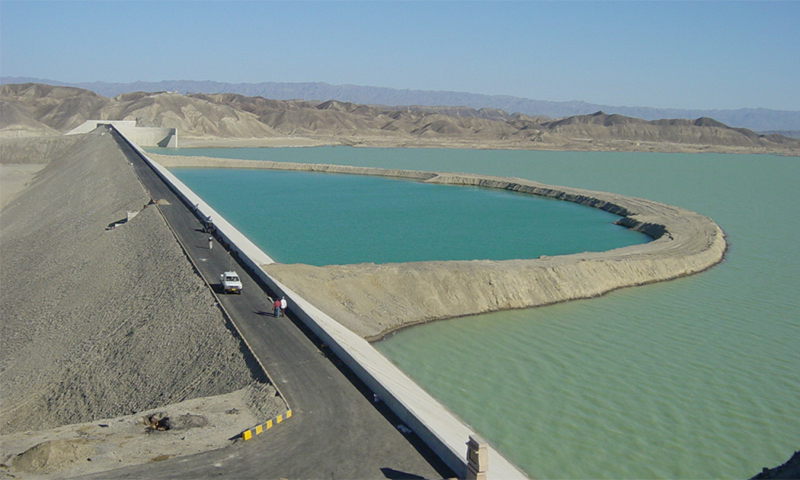
Mirani Dam, located in the Balochistan province, is the largest flood protection dam in Pakistan. With a flood stock of 588,690 cubic hectometers, it is also the World largest dam in terms of volume for flood protection. Situated on the Dasht River, this multipurpose dam was primarily constructed to control floods and provide water for irrigation and drinking purposes. The construction of Mirani Dam was completed in 2006, and it has since been a vital structure in mitigating the devastating effects of floods in the region.
What is a flood protection dam?
A flood protection dam is a structure built to manage and control the flow of water in rivers and other water bodies to prevent or reduce the impact of floods. These dams are designed to hold back water during periods of heavy rainfall or snowmelt, releasing it gradually to minimize flood risk downstream. Flood protection dams also serve various other purposes, such as providing water for irrigation, generating hydroelectric power, and supporting local ecosystems. In regions prone to flooding, these dams are essential for safeguarding communities, infrastructure, and agricultural land.
The Mirani Dam: An Overview
Location and Overview
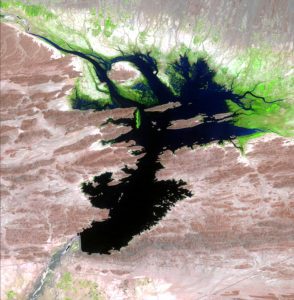
Mirani Dam is located on the Dasht River, approximately 48 kilometers west of Turbat in the Kech District of Balochistan. The dam’s strategic location helps control the water flow from the upstream areas, effectively reducing the risk of floods in the downstream regions. With a height of 127 feet and a crest length of 3,080 feet, Mirani Dam has a gross storage capacity of 302,000 acre-feet. The dam’s reservoir covers an area of approximately 17,000 acres.
Importance of Mirani Dam
Mirani Dam holds significant importance for the region due to its multifaceted benefits. One of the primary purposes of the dam is to control floods, which have historically caused severe damage to the area. By regulating the flow of the Dasht River, the dam helps protect agricultural land, infrastructure, and human settlements from floodwaters. Additionally, the dam provides a reliable source of water for irrigation, enabling farmers to cultivate their land throughout the year and improving agricultural productivity.
Water Supply and Irrigation
The water stored in Mirani Dam is used to supply drinking water to nearby towns and villages, ensuring a stable and clean water source for the local population. The dam also supports irrigation by providing water to approximately 33,000 acres of agricultural land. This has significantly boosted the region’s agricultural output, contributing to the local economy and improving the livelihoods of farmers. The availability of irrigation water has also enabled the cultivation of various crops, including wheat, rice, and vegetables, which were previously challenging to grow due to water scarcity.
Environmental Impact
While the primary purpose of Mirani Dam is flood control and water supply, it also plays a crucial role in supporting the local ecosystem. The reservoir created by the dam provides a habitat for various aquatic species, contributing to biodiversity in the region. Additionally, the regulated flow of water helps maintain the health of downstream ecosystems, preventing erosion and ensuring the stability of riverbanks.
Challenges and Future Prospects
Despite its many benefits, Mirani Dam faces several challenges, including sedimentation, which can reduce the dam’s storage capacity over time. Addressing this issue requires regular maintenance and dredging to ensure the dam continues to function effectively. Furthermore, the dam’s reliance on seasonal rainfall means that in years of low precipitation, water levels may be insufficient to meet the demands of the region. Future projects aimed at enhancing water management and storage capacity will be crucial in addressing these challenges and ensuring the long-term sustainability of Mirani Dam.
Mirani Dam stands as a testament to Pakistan’s efforts to mitigate the impacts of floods and manage its water resources effectively. As the largest flood protection dam in the country, it has played a crucial role in safeguarding communities, enhancing agricultural productivity, and supporting local ecosystems. While challenges remain, continued investment in maintenance and future water management projects will ensure that Mirani Dam continues to provide its valuable benefits for years to come. Understanding the importance of such structures highlights the need for ongoing efforts to build and maintain infrastructure that can protect against natural disasters and support sustainable development.
Sources: To ensure the accuracy and authenticity of the information provided, the following sources were referenced:
- Mirani Dam – Pakistan Water and Power Development Authority (WAPDA)
- Mirani Dam – Balochistan Development Authority (BDA)
- Disaster Unleashed by Mirani Dam Project – Dawn
- Mirani Dam – The Nation
- Mirani Dam – Wikipedia