
Excerpt: This post answers the questions “Which is the largest earth-filed dam in Pakistan? Which is Pakistan’s largest earth-filed dam? What is the name of Pakistan’s largest earth-filed dam?”
Pakistan’s geographical and climatic conditions have made water resource management a crucial aspect of the country’s infrastructure. One of the significant components in managing these resources is the construction of dams, which serve various purposes, including irrigation, flood control, and hydroelectric power generation. Among these structures, earth-filled dams hold particular importance due to their design and construction techniques. In this blog post, we will explore the largest earth-filled dam in Pakistan, its significance, and its features.
Which is the largest earth-filled dam in Pakistan?
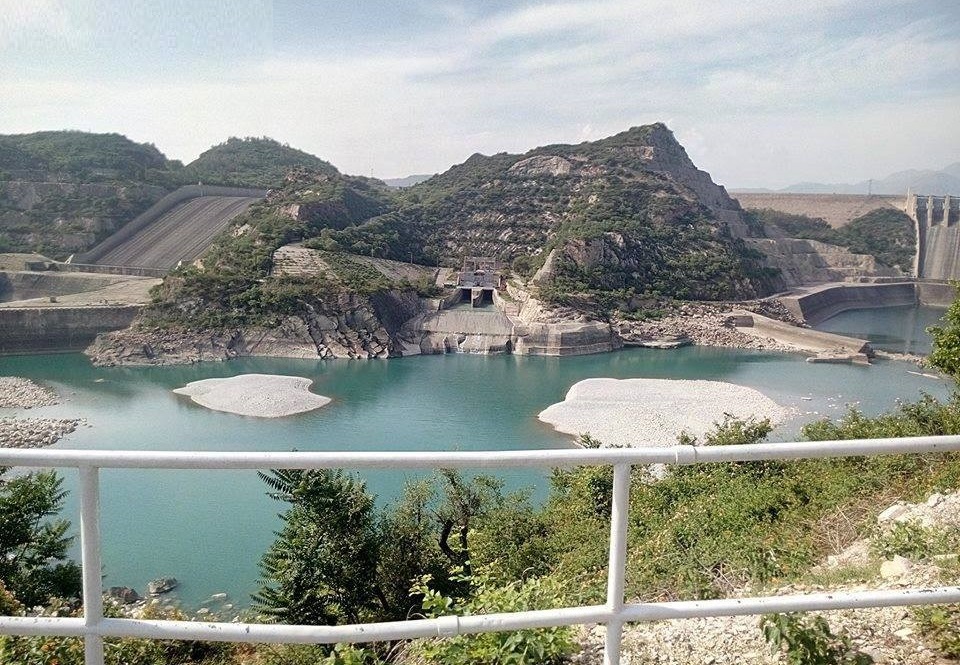
The largest earth-filled dam in Pakistan is the Tarbela Dam. This massive structure, located on the Indus River, is not only the largest earth-filled dam in the country but also one of the largest in the world. Completed in 1976, Tarbela Dam plays a vital role in Pakistan’s water resource management, irrigation, and power generation, making it an essential asset for the nation’s development.
Why is Tarbela the largest earth-filled dam of Pakistan?
Tarbela Dam is considered the largest earth-filled dam in Pakistan due to its impressive size and capacity. The dam has a crest length of approximately 8,997 feet (2,743 meters) and a height of 485 feet (148 meters). It boasts a reservoir capacity of about 11.62 million acre-feet, providing a significant amount of water storage for various purposes. The construction of Tarbela Dam involved the use of millions of cubic meters of earth and rock, making it one of the most extensive earth-filled structures globally.
The Tarbela Dam: An In-depth Overview
Location and Overview
Tarbela Dam is situated on the Indus River, near the town of Tarbela in the Haripur District of Khyber Pakhtunkhwa province, Pakistan. The dam is located about 50 kilometers northwest of Islamabad, the capital city of Pakistan. The strategic location of Tarbela Dam allows it to control the flow of the Indus River, which is essential for managing water resources and preventing floods in the downstream areas.
Importance of Tarbela Dam
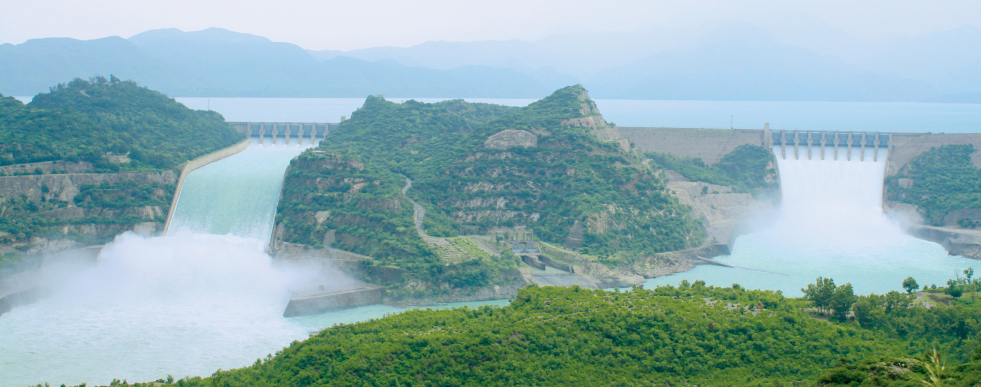
The Tarbela Dam holds immense importance for Pakistan due to its multifaceted benefits. One of the primary purposes of the dam is to provide water for irrigation, supporting the agricultural sector, which is the backbone of Pakistan’s economy. The dam’s reservoir stores a significant amount of water that is released during the dry seasons, ensuring a consistent water supply for irrigation and enhancing agricultural productivity.
Hydroelectric Power Generation
Tarbela Dam is also a major source of hydroelectric power generation in Pakistan. The dam’s power station has an installed capacity of 4,888 megawatts, making it one of the largest hydroelectric power plants in the country. The electricity generated by Tarbela Dam contributes significantly to the national grid, providing a reliable and sustainable source of energy for millions of people. The dam’s role in power generation helps reduce the country’s reliance on fossil fuels, promoting clean and renewable energy sources.
Flood Control and Water Management
Flood control is another critical function of Tarbela Dam. By regulating the flow of the Indus River, the dam helps prevent devastating floods that can cause widespread damage to infrastructure, agriculture, and human settlements. The dam’s storage capacity allows it to hold back excess water during periods of heavy rainfall or snowmelt, releasing it gradually to minimize the risk of flooding downstream. This capability is crucial for protecting the livelihoods and well-being of communities living along the river.
Environmental Impact
While Tarbela Dam provides numerous benefits, it also has environmental implications that need to be carefully managed. The construction of the dam and its reservoir has altered the natural flow of the Indus River, impacting local ecosystems and biodiversity. Efforts are made to mitigate these effects by implementing environmental management practices and monitoring the health of the river and its surroundings. Additionally, the regulated flow of water helps maintain the stability of riverbanks and prevents soil erosion, contributing to the overall health of the environment.
Challenges and Future Prospects
Tarbela Dam faces several challenges, including sedimentation, which can reduce its storage capacity and impact its efficiency. Regular maintenance and dredging are required to address this issue and ensure the dam continues to function effectively. Additionally, the growing demand for water and energy in Pakistan necessitates the expansion and upgrading of the dam’s infrastructure. Future projects, such as the Tarbela 4th Extension and 5th Extension, aim to increase the dam’s power generation capacity and enhance its overall performance.
Tarbela Dam stands as a testament to Pakistan’s engineering prowess and commitment to managing its water resources effectively. As the largest earth-filled dam in the country, it plays a crucial role in supporting agriculture, generating hydroelectric power, and controlling floods. While challenges remain, continued investment in maintenance, infrastructure, and sustainable water management practices will ensure that Tarbela Dam continues to provide its valuable benefits for years to come. Understanding the importance of such structures highlights the need for ongoing efforts to build and maintain infrastructure that can support sustainable development and protect against natural disasters.
Sources: To ensure the accuracy and authenticity of the information provided, the following sources were referenced:
- Pakistan Water and Power Development Authority (WAPDA)
- International Water Management Institute (IWMI)
- Local government reports and publications on Tarbela Dam
- News articles and research papers on water resource management and hydroelectric power in Pakistan
- Interviews with local experts and community members